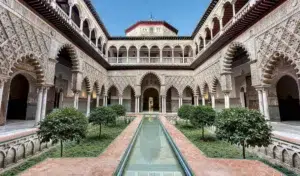
Discover your perfect wedding venue in Spain

Wedding Venues Jerez de la Frontera
Hankpicked Wedding Venues in Jerez de la Frontera
Jerez is the practical answer to most of the objections people raise about Cádiz province.
It has its own airport, fifteen minutes from the centre and half an hour from most of the province. It sits inland, so the levante that shapes everything at Tarifa isn’t a factor. And it’s the best value in the region by a clear margin, because it isn’t a beach town and doesn’t price like one.
What it is instead is a working Andalusian city of 210,000 people built on three things: sherry, horses and flamenco. All three are genuinely from here rather than performed for visitors, and all three give a wedding weekend something to be about.
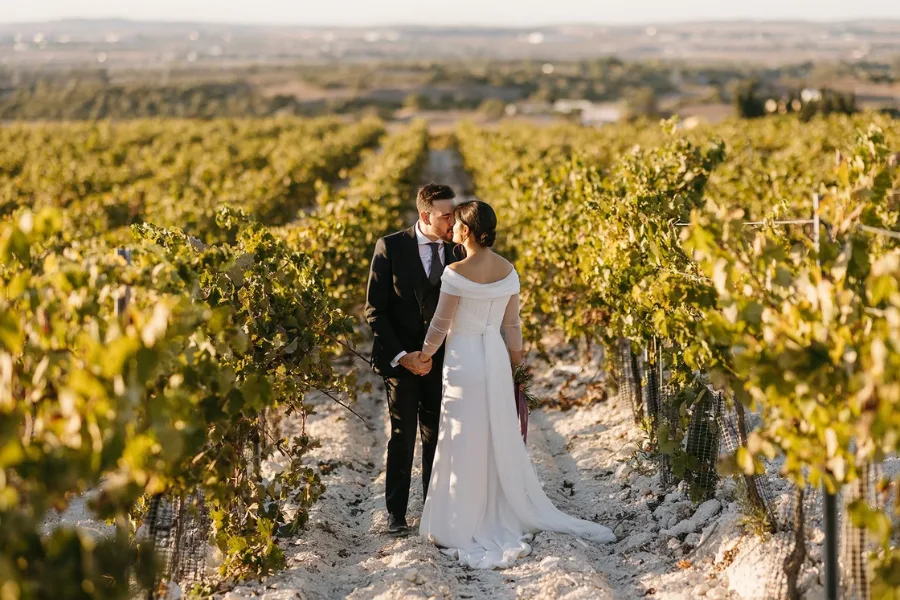
Why Get Married in Jerez
The bodegas. Jerez has been making sherry since the Phoenicians, and the cellars are extraordinary: high vaulted ceilings, rows of barrels, cool even in August, and a quality of light that photographers talk about afterwards. González Byass, Lustau, Tio Pepe and a dozen smaller houses. Several host weddings, and nothing else in Spain looks remotely like it.
The horses. Jerez is home to the Andalusian horse and to the Royal Andalusian School of Equestrian Art, where the horses perform to music. Around the city sit cortijos de yeguada, working breeding estates, several of which host weddings. A carriage arrival here isn’t a gimmick, it’s what people actually do.
The value. Genuinely the cheapest place to marry well in the province. Venue hire, catering and accommodation all sit below the coast, and there’s almost no international competition for dates because most foreign couples haven’t heard of it.
The access. Jerez airport is the only one in Cádiz province. Fifteen minutes to the city, and considerably closer to everywhere else than Seville or Málaga.
And it’s real. Jerez isn’t picturesque in the way Vejer is. It’s a working city with a proper old quarter, a cathedral, an Alcázar, and a food scene built for residents. Your guests eat where locals eat.
Where it won’t suit you. There’s no beach and no sea view, and it’s forty minutes to the coast. It’s hot inland in July and August, hotter than anywhere else in the province. And it’s a city rather than a village, so if you want whitewashed lanes and geraniums, Vejer or Arcos will serve you better.
The Average Cost of a Wedding in Jerez de la Frontera
For 100 guests, expect €18,000 to €30,000 all in, covering venue, catering, drinks, flowers and styling, music, photography and staffing.
That’s the lowest range in Cádiz province and roughly €15,000 below the equivalent near Marbella. Nothing about the quality is lower; it simply isn’t a beach town.
Venue hire runs from around €2,000 for a countryside cortijo to €8,000 for a bodega on a peak Saturday.
Catering is typically €60 to €100 per person, the cheapest in the province.
Accommodation is genuinely cheap here, which is the hidden saving. Your guests will pay considerably less in Jerez than in Tarifa or Vejer, and there’s enough of it that they’ll all fit in one or two places.
Drinks are usually separate at €20 to €35 a head. Worth serving the local sherries: fino and manzanilla are dry, cold and considerably better with food than most guests expect, and they cost a fraction of what you’d pay for equivalent wine.
IVA at 21% sits on top. Ask every supplier whether it’s included, in writing.
The heat. Jerez is inland and it shows. July and August regularly reach 35°C and can pass 38, which is considerably hotter than the coast forty minutes west. That doesn’t rule out a summer wedding, but it does rule out a midday one, and it’s a genuine argument for a bodega, since those cellars stay cool whatever the month.
The Feria. The Feria del Caballo in May fills the entire city for a week: hotels, restaurants, taxis, everything. It’s a wonderful thing to witness and an impossible week to marry in. Check your date against it before you book anything.
The legal side. Decide before you fix a date. A Spanish civil wedding needs one of you registered on the local padrón, which non-residents can’t easily satisfy. Most couples marry legally at home, or in Gibraltar about an hour and a half away, then hold the real ceremony here with a celebrant.
Our services include:


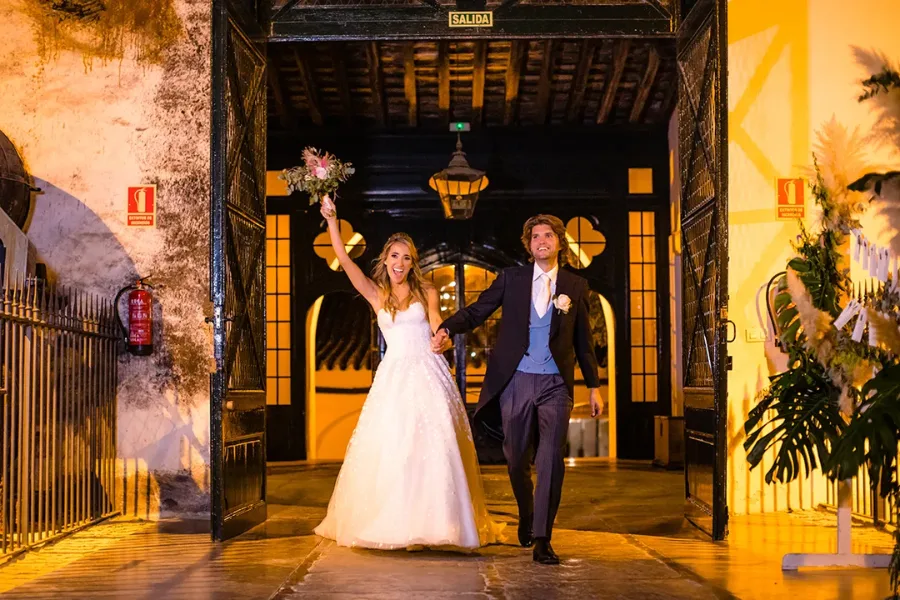
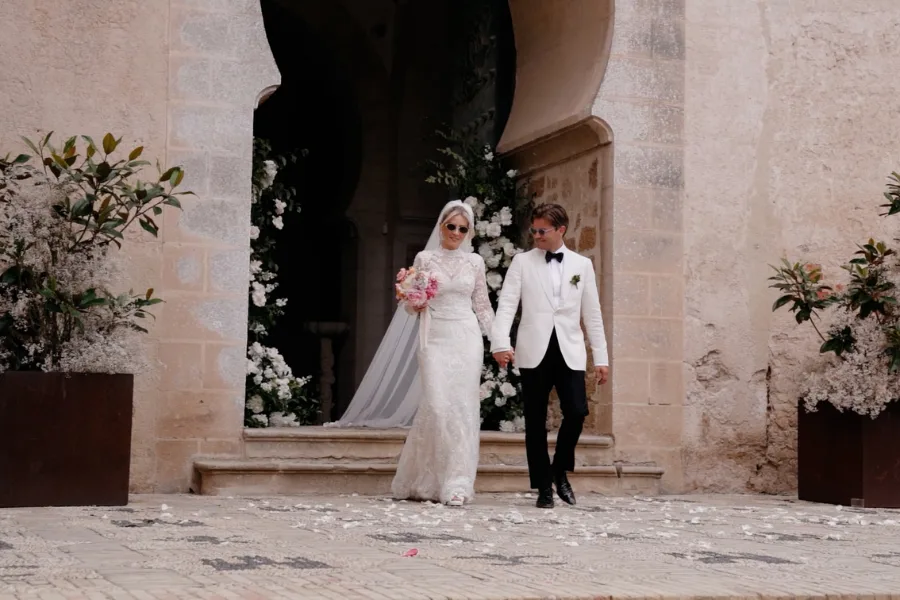
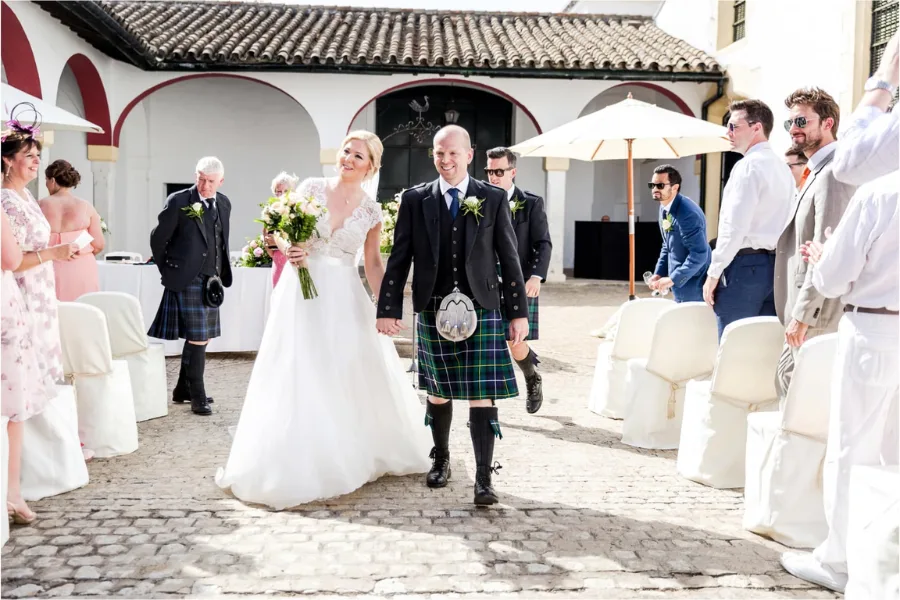
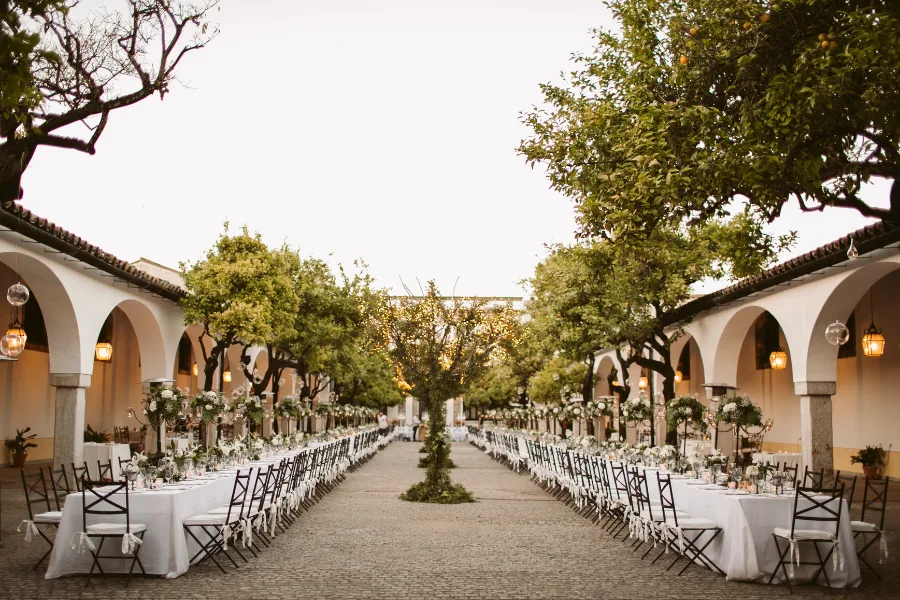
Weddings in Jerez de la Frontera
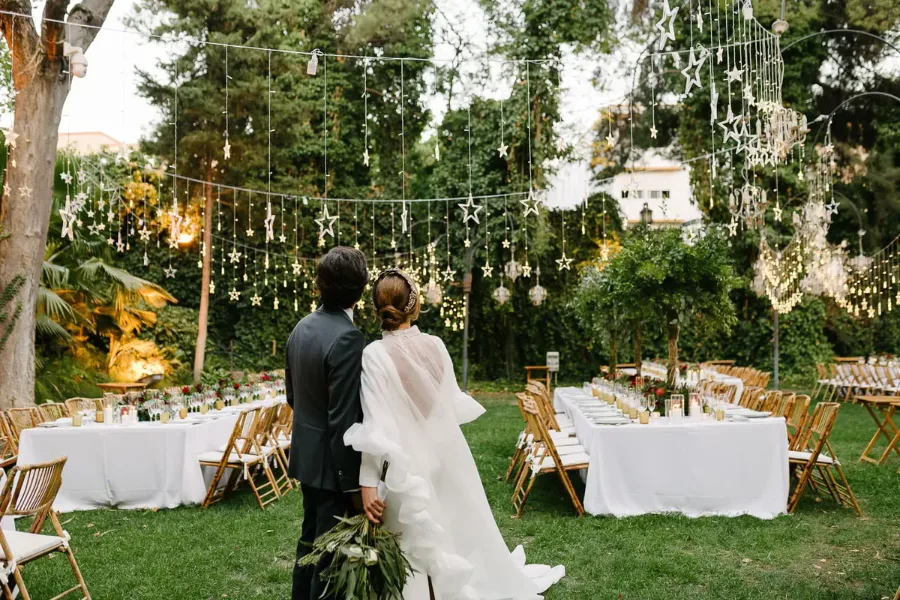
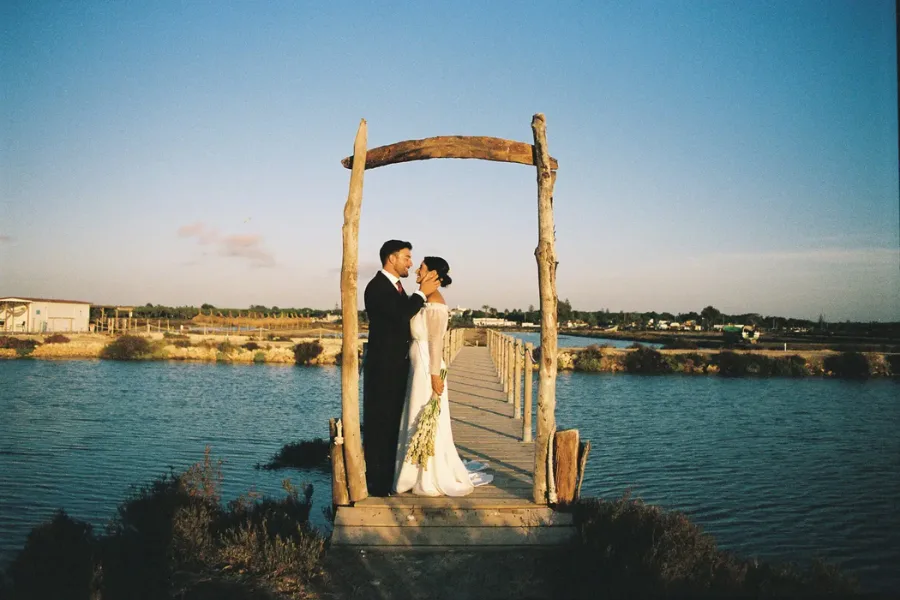
When to Marry in Jerez de la Frontera
May, June and September, with early October close behind.
Jerez sits inland, and it’s the hottest part of Cádiz province by a clear margin. Where the coast forty minutes west is moderated by the Atlantic, Jerez isn’t, and July and August regularly reach 35°C.
| Month | Daytime | After dark | Sunset |
|---|---|---|---|
| April | 23°C | 11°C | 21:15 |
| May | 26°C | 13°C | 21:40 |
| June | 31°C | 17°C | 21:55 |
| July | 35°C | 19°C | 21:50 |
| August | 35°C | 20°C | 21:20 |
| September | 30°C | 17°C | 20:35 |
| October | 25°C | 14°C | 19:40 |
The second column is the one that matters, because it’s what your guests are sitting in during the speeches. Note how far Jerez drops after dark: a 26°C May afternoon becomes 13°C by ten o’clock, which is a bigger swing than anywhere on the coast and catches people out.
April and May are the loveliest months here. The countryside is green, the vines are in leaf, and the days are warm without being punishing. Evenings need heaters.
June is the last comfortable summer month. After that it becomes a question of managing heat rather than enjoying it.
July and August are hot. Not unworkable, but a midday ceremony is genuinely uncomfortable and risky for older guests. This is the argument for a bodega: those vaulted cellars hold at around 20°C whatever the month, which means a wedding in August that nobody has to endure.
September is the pick. Still warm at 30°C, the summer heat has broken, and the vendimia, the sherry harvest, is underway, which gives the whole city something going on.
October and November are underrated. Warm days, cool nights, low prices and excellent availability.
Winter is mild by day and genuinely cold at night, down to 6 or 7°C. Bodega weddings work year-round; outdoor ones don’t.
***One date to plan around. The Feria del Caballo in May fills the entire city for a week: hotels, restaurants, taxis, everything. Wonderful to witness, impossible to marry in. Check before fixing anything.***
Getting the Ceremony Time Right
Work backwards from sunset. Ninety minutes before is the mark: around 6.30pm in June, 6pm in September, 5pm in October.
That gives you the ceremony, then drinks as the light goes, then dinner as it cools. And in Jerez the cooling matters more than on the coast, because the drop after sunset is sharper.
In July and August, later still. A 7pm ceremony is better than a 6.30 one, and anything before six is uncomfortable for everyone standing in it.
Unless you’re in a bodega, in which case the constraint disappears entirely. A cellar at 20°C at two in the afternoon is one of the few places in inland Andalucía where a summer midday ceremony genuinely works.
Then the Spanish rhythm takes over: ninety minutes of canapés and drinks, dinner around nine, dancing from eleven. Later than British and Irish guests expect, so warn them.
And check the curfew. Bodegas and palacios in the old quarter sit among housing and will generally stop outdoor music between midnight and one. Cortijos in the countryside have no neighbours and are far more relaxed.
Contact Us
Make Your Day Special with Us
Start Your Wedding Journey and discover our exceptional services, designed to make your day extraordinary and unforgettable. We look forward to creating wonderful memories with you.
Weddings in Jerez
Planning a wedding here raises questions that don’t come up at home, and a few specific to sherry country: what a bodega will and won’t allow, how the heat shapes your timings, and whether your guests should fly into Jerez or Seville.
Our FAQs cover the practical ground: what things cost, when to marry, the legal routes open to non-residents, and what to ask a venue before you pay a deposit.
If your question isn’t there, ask us directly. We’re two hours east in Marbella, we know this province, and we’d rather tell you Jerez isn’t right for you than sell you a wedding somewhere that doesn’t suit.
Contact Us For More Information
Common Questions
Can we legally get married in Jerez?
Not realistically as non-residents, and that’s true across Spain rather than specific to here. A Spanish civil wedding runs through the Registro Civil, which expects at least one of you registered on the local padrón, and non-residents generally can’t satisfy that.
Most couples marry legally at home first, a ten-minute registry appointment with two witnesses, then hold the ceremony they’ve actually been planning here with a celebrant. Nothing about the day changes and nobody attending can tell.
Gibraltar is the other route, an hour and a half south. No residency requirement, English as the official language, UK documents accepted as they are.
A Catholic ceremony is the exception, legally recognised without the residency problem. Jerez has the cathedral and several fine churches, San Miguel among them. Both of you generally need to be baptised and confirmed, your home parish handles the paperwork, and you should allow a year.
What can our guests do in Jerez?
More than almost anywhere in the province, and it’s genuinely distinctive.
The bodegas. González Byass, Lustau and a dozen others run tours and tastings. Even guests who think they don’t like sherry usually change their minds when they try a cold fino with food rather than a warm cream at Christmas.
The Royal Andalusian School of Equestrian Art, where the horses perform to music. Worth booking ahead, and it’s the thing people talk about afterwards.
Flamenco, which Jerez claims as its own with more justification than most places. The Barrio de Santiago is where it comes from, and there are peñas where it happens for locals rather than tourists.
The old quarter, with the Alcázar, the cathedral and a food scene built for residents.
And further out: Cádiz city is forty minutes, the beaches at Conil and El Palmar around an hour, Seville an hour by train, and the Doñana wetlands to the north.
Where will our guests stay?
This is one of Jerez’s real advantages. Unlike Vejer or Tarifa, there’s genuinely enough accommodation, and it’s considerably cheaper.
The city has hotels at every level from four-star to budget, plus apartments and townhouses in the old quarter. A hundred guests will fit into one or two properties rather than being scattered across five, which makes transport simpler and gives people somewhere to gather.
Book around the Feria del Caballo in May, which fills the entire city for a week.
And if you’re marrying at a countryside cortijo, check whether it has rooms. Several do, which lets you put immediate family on site and everyone else in the city fifteen minutes away.
How do our guests get to Jerez?
Jerez airport is fifteen minutes from the city and the only one in Cádiz province. Small, quick to get through, with direct flights from the UK and northern Europe. The routes are limited and largely seasonal, so check what’s flying on your dates before assuming everyone can use it.
Seville is an hour by road and the practical fallback, with far better connections.
Málaga is two hours and where most people will find the flight they want.
Gibraltar is an hour and a half.
And Jerez is on the train line, which nowhere else in the province is. Seville is an hour by rail, Cádiz forty minutes. Genuinely useful for guests who’d rather not hire a car.
Arrange coaches for the wedding day regardless, particularly for a countryside venue.
Do you offer wedding planning and on-the-day coordination?
Yes, at three levels.
Full wedding planning takes it from the beginning: shortlisting and touring venues, building a realistic budget, sourcing and booking every supplier, checking contracts, and holding the timeline. You make the decisions; we do the chasing and the translating.
On-the-day coordination is for couples who’ve planned it themselves and want someone running it. We take over four to six weeks out and are on site from set-up to the last dance.
Venue sourcing and tours if you’re still deciding where.
Where we’d say we earn our money in Jerez is the bodegas. They vary enormously in what they permit, what’s included, whether catering is in-house, and how a wedding actually runs in a working cellar during harvest. That isn’t something a listing tells you.
What wedding vendors can you help with?
Everything except the venue, which we source separately: catering, photographers and videographers, florists, DJs, mobile bars and content creators, plus hair and makeup, celebrants, transport and styling hire.
Jerez has a deeper supplier pool than the rest of Cádiz, partly because it’s a city and partly because the wedding trade here serves Spanish couples year-round rather than a short international season. That means more choice and shorter lead times than you’d get at Vejer or Tarifa.
Two things worth knowing. Photographers who shoot bodegas regularly handle the light in those cellars differently, and it’s a genuinely difficult environment for anyone who hasn’t. And if you want flamenco or a carriage, both are properly available here rather than approximated, so it’s worth asking for the real thing.