

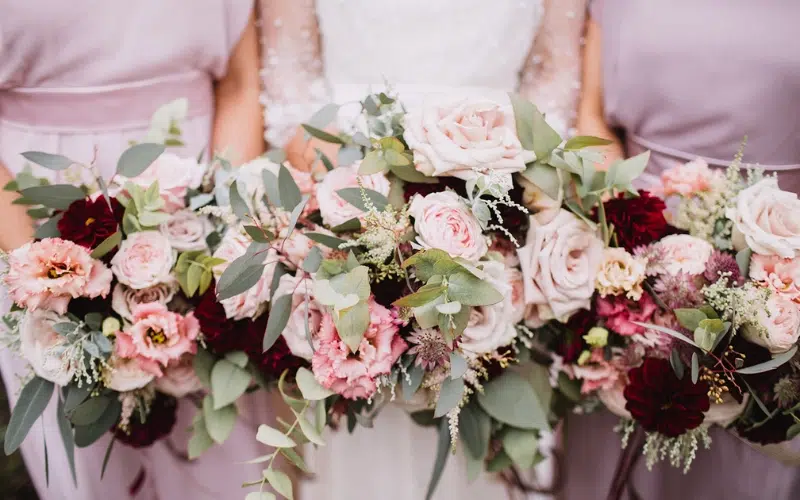
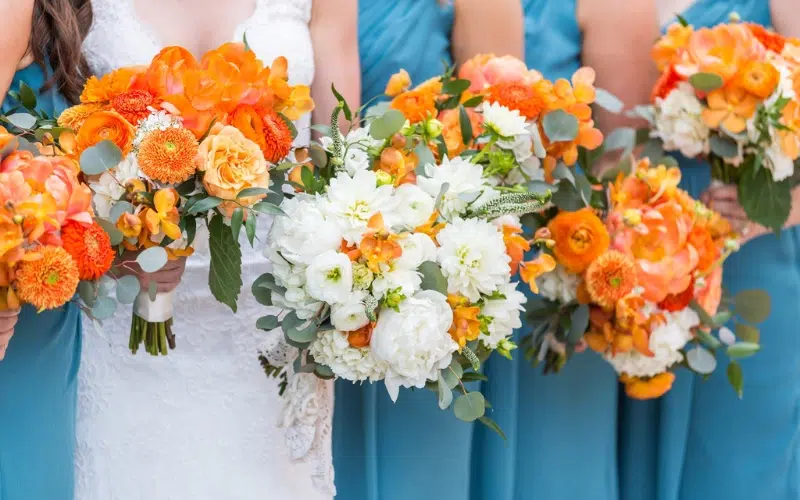
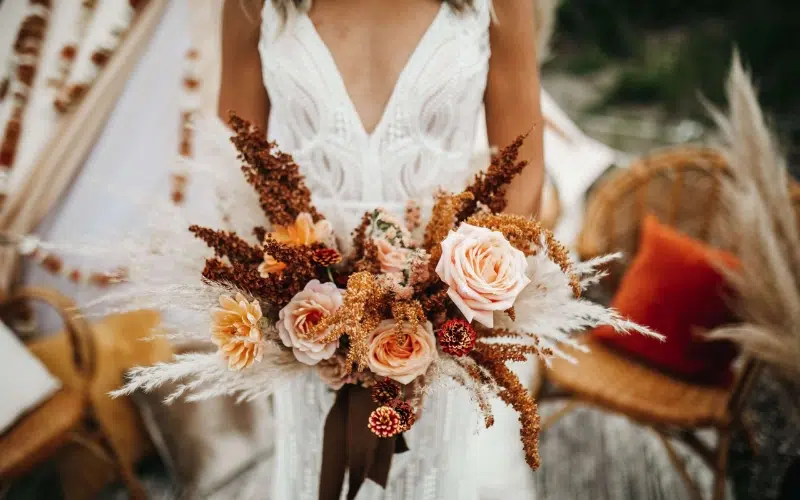
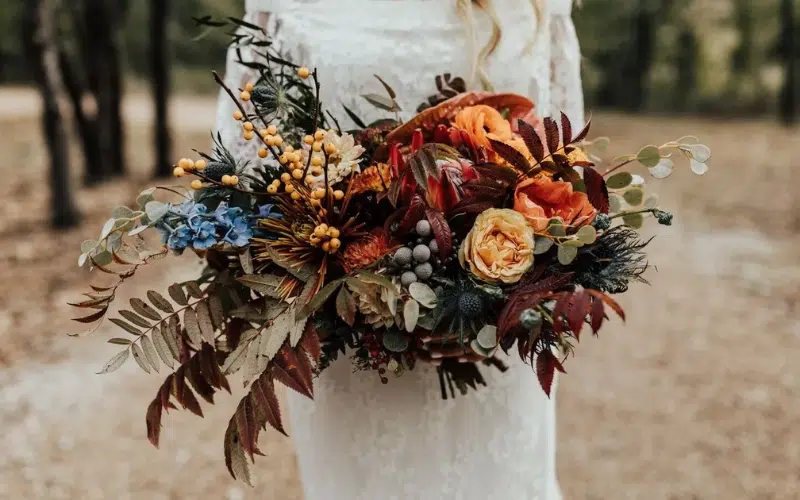
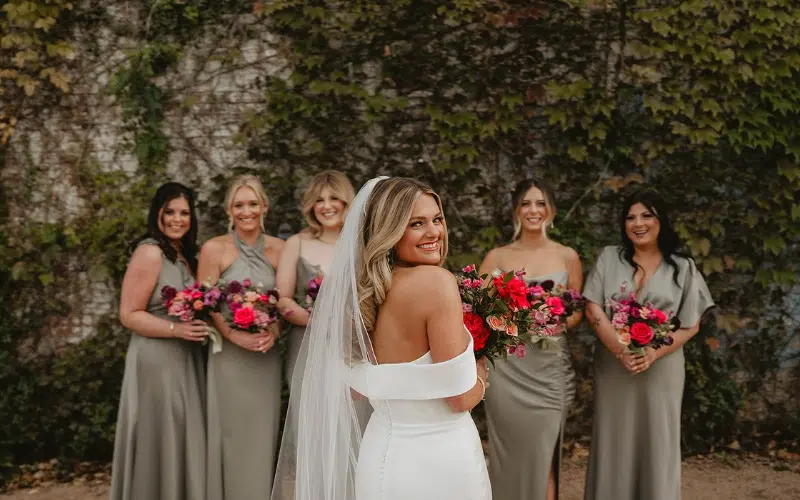
The bridal bouquet is one of the most intimate floral elements of the day. It appears in nearly every portrait and rests in your hands during the most meaningful moments. Its scale, shape, and palette should reflect both your personality and your gown. A structured round bouquet brings timeless elegance, particularly suited to classic silhouettes. A hand-tied garden bouquet feels softer and more organic, ideal for outdoor settings. Cascading designs introduce drama and movement, especially striking against minimalist dresses.
Flower selection influences the overall mood. Roses remain a favourite for their symbolism and versatility. Peonies offer volume and romance, while orchids create a sleek, modern statement. Seasonality also plays a crucial role, not only for freshness but for durability, particularly in warmer climates.
A well-designed bouquet feels balanced and proportionate. It complements rather than overwhelms. It becomes part of your presence, not simply an accessory.
 Round bouquets for classic elegance
Hand-tied styles for soft romantic aesthetics
Cascade shapes for dramatic silhouettes
Seasonal blooms for freshness and performance
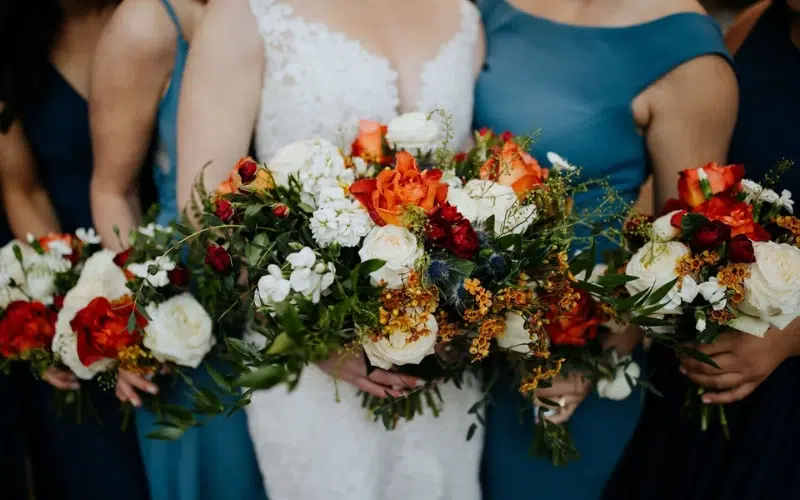
Bridesmaids’ bouquets, buttonholes, corsages, and flower girl florals extend the visual language of the day. They should feel connected to the bridal bouquet without appearing identical. Bridesmaids may carry simplified versions of the main design, featuring one or two key blooms to maintain harmony. Buttonholes are typically understated, often a single flower or textured greenery that mirrors the wider palette.
Balance is essential. Oversized corsages or overly detailed buttonholes can feel distracting. Subtle coordination allows the wedding party to look unified while still allowing individuality. Texture and colour repetition are often more effective than exact floral duplication.
Thoughtful styling of personal flowers enhances photographs and strengthens cohesion across the ceremony setting. It ensures every member of the wedding party feels considered without overwhelming the aesthetic.
 Smaller versions of the bridal bouquet for bridesmaids
Subtle buttonholes reflecting the main palette
Proportionate corsages for elegance
Repetition of colour rather than identical designs
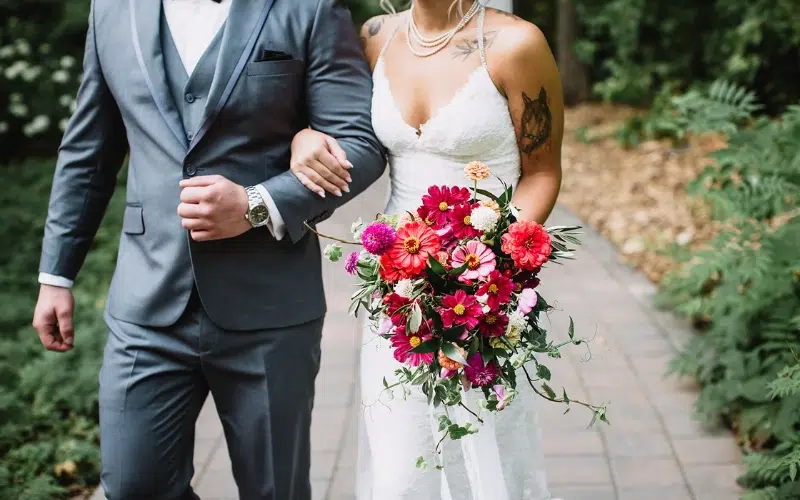
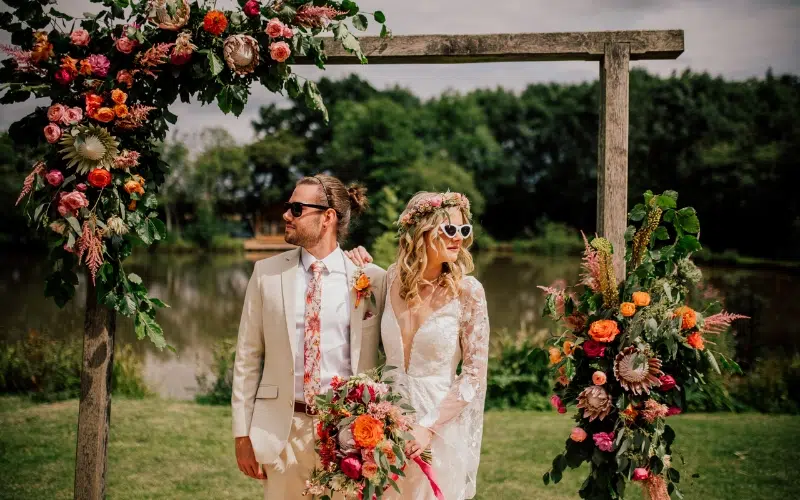
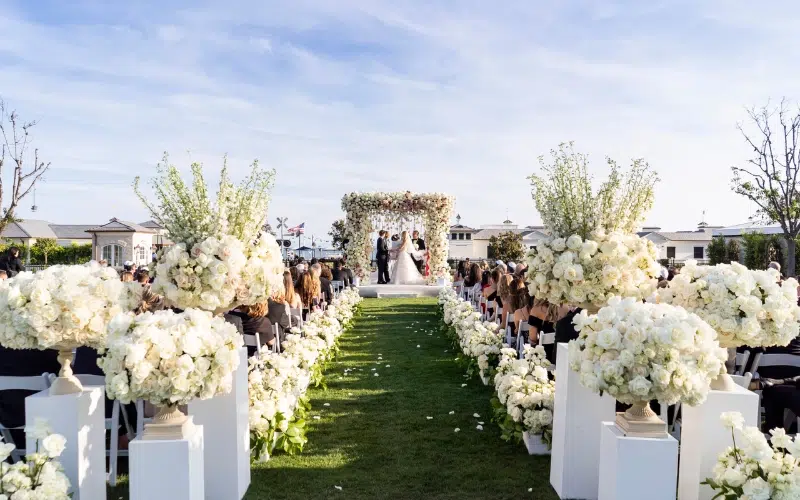
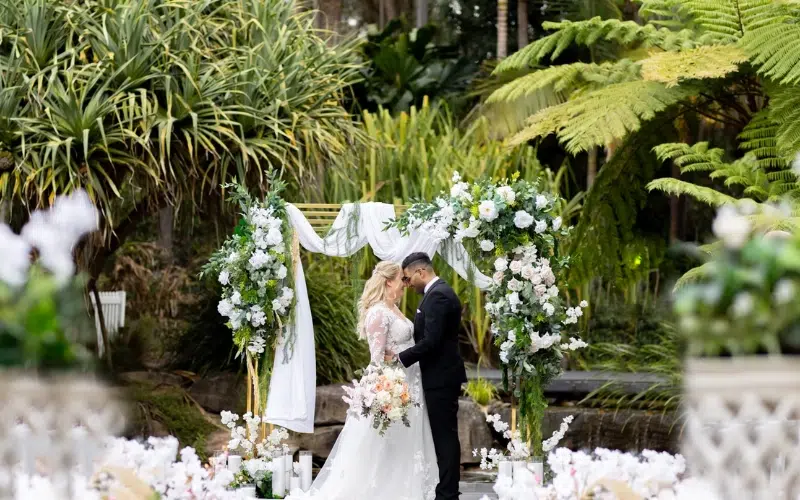
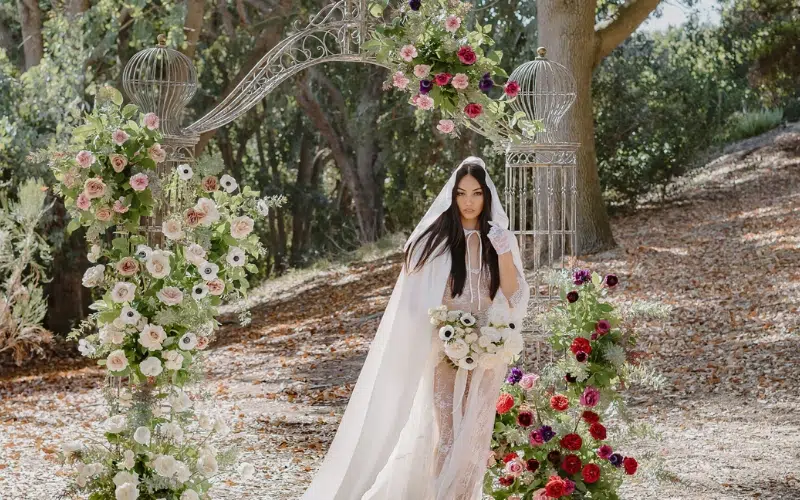
Ceremony flowers define the space where your vows take place. They guide the eye, frame your photographs, and establish the emotional tone of the celebration. Floral arches remain one of the most popular features, providing structure and presence in both outdoor and indoor venues. Asymmetrical arches create modern interest, while full floral frames feel lush and romantic.
Grounded aisle meadows offer an immersive alternative to traditional chair decorations. Instead of florals attached to seating, blooms are placed at floor level, creating depth and movement. Chair posies and pew accents remain elegant choices for more traditional settings.
Practical considerations matter. Wind, sunlight, and temperature influence bloom selection and placement. Experienced florists consider these elements carefully to ensure arrangements remain fresh and secure throughout the ceremony.
 Floral arches for structured focal points
Grounded aisle meadows for immersive impact
Chair or pew accents for traditional elegance
Climate-aware flower selection and placement
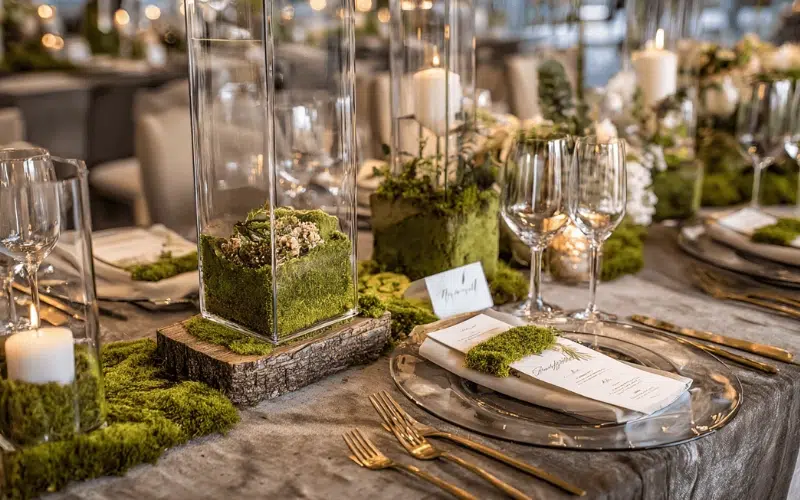
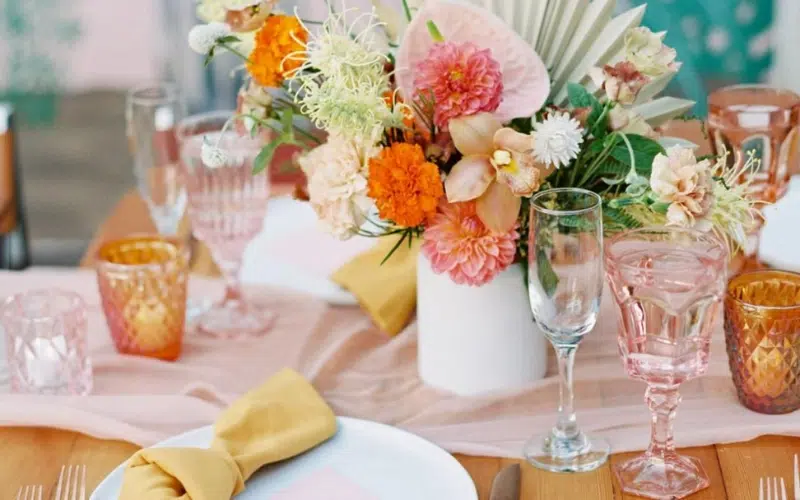
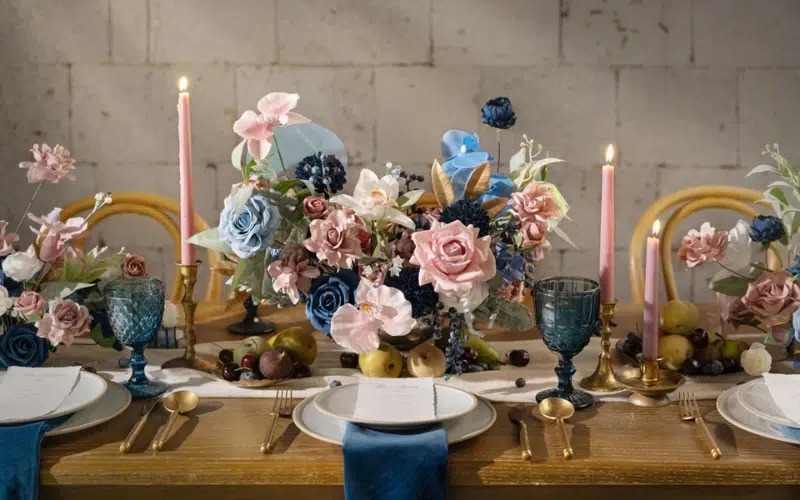
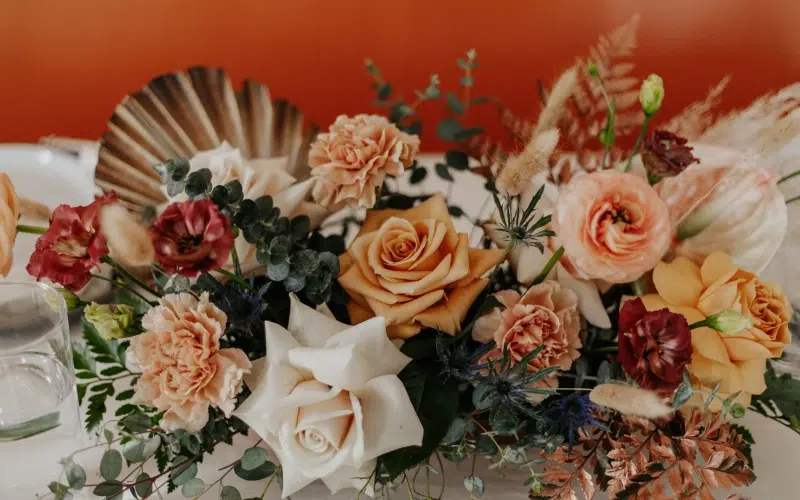
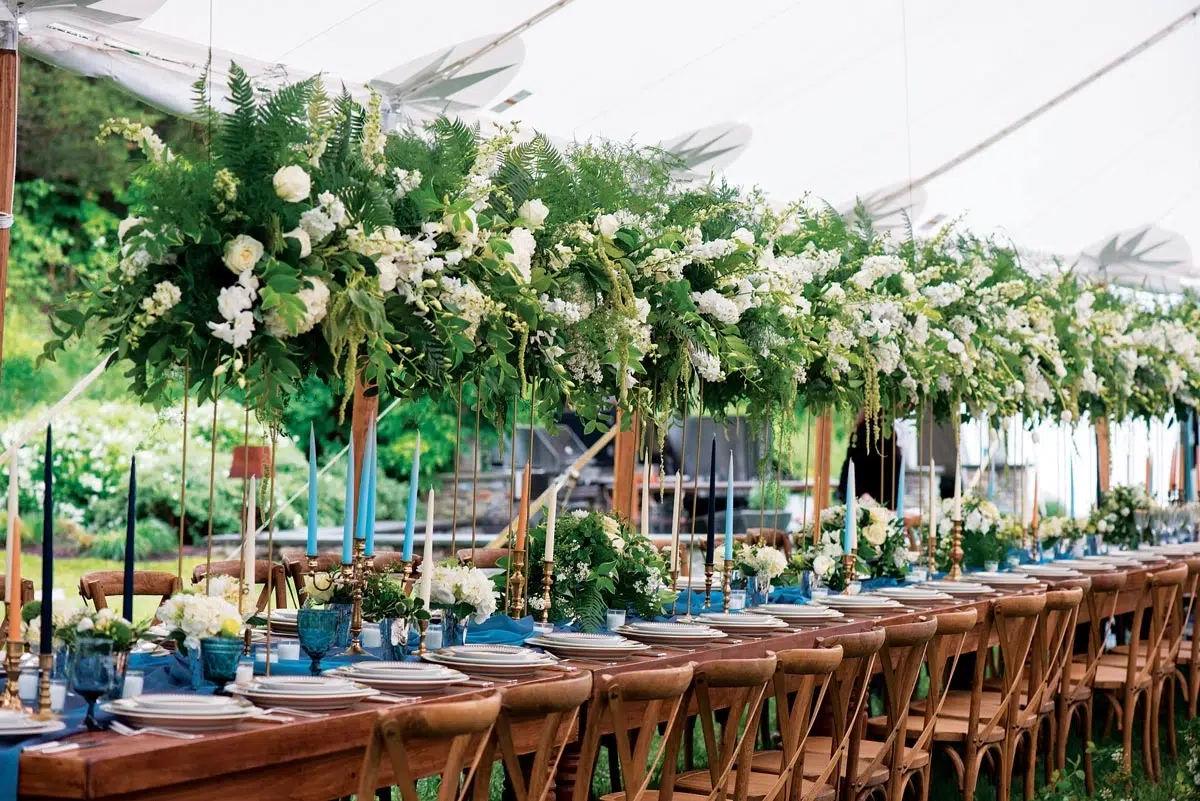
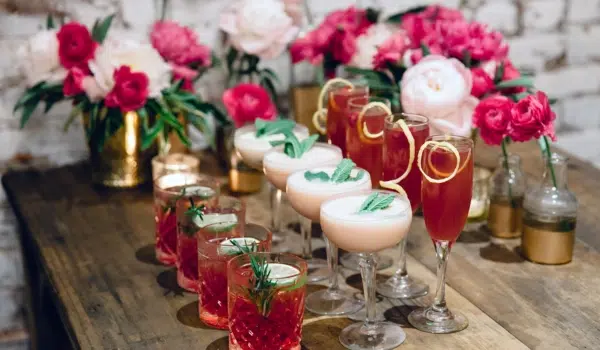
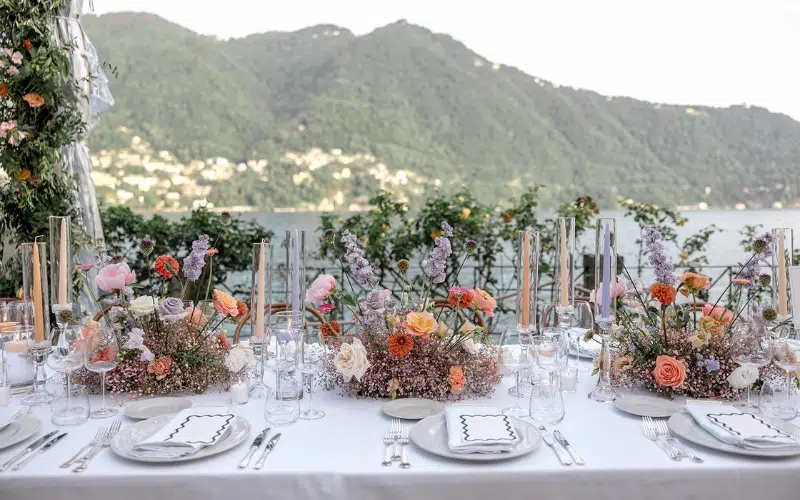
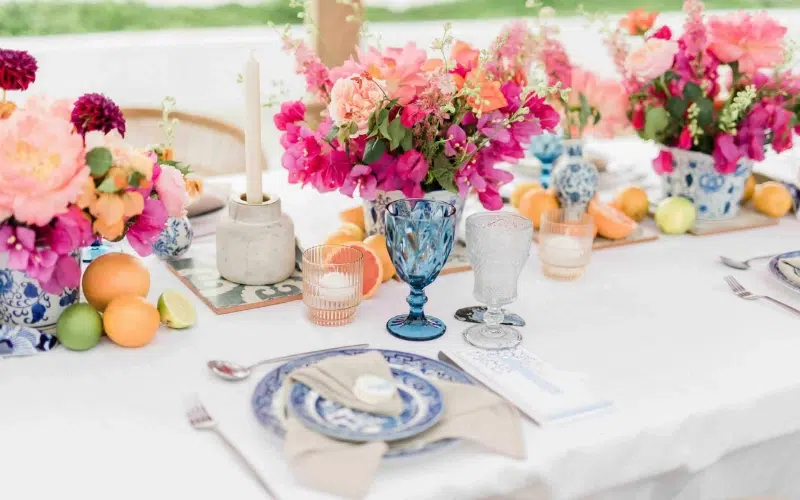
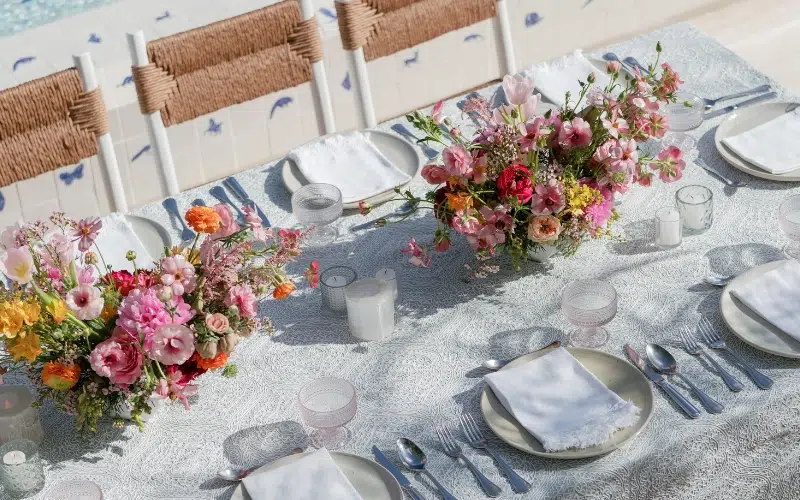
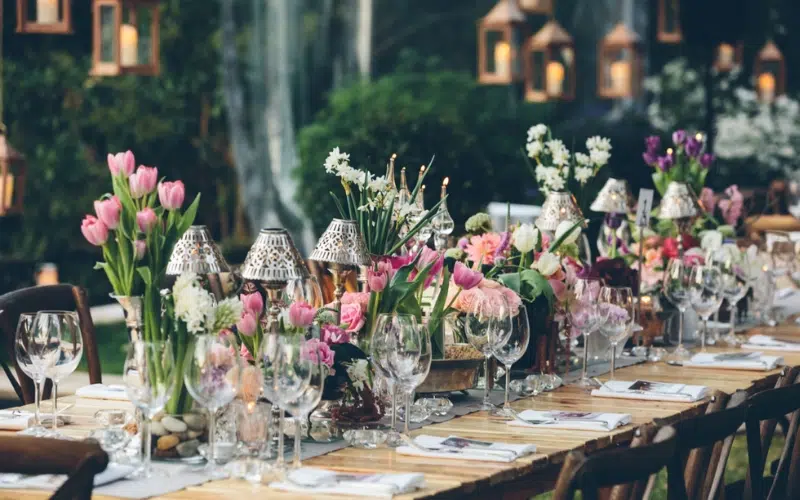
The reception is where florals shift from ceremonial to atmospheric. This is where texture, candlelight, and layered styling create warmth and intimacy as the celebration unfolds. Table shape plays an important role in wedding floral design. Long banquet tables lend themselves beautifully to flowing runners of greenery, clustered bud vases, and soft candle groupings that guide the eye from one end to the other. Round tables often benefit from balanced central arrangements that allow easy conversation without blocking sightlines.
Height variation adds dimension. Mixing low centrepieces with occasional elevated designs prevents monotony and ensures the space feels dynamic rather than flat. Glassware, linens, and subtle decorative accents elevate the flowers without overwhelming them. The goal is not density, but depth.
Well-designed tablescapes feel intentional and inviting. They encourage guests to linger, talk, and settle into the celebration comfortably.
 Floral runners and bud vases for long tables
Balanced centrepieces for round tables
Layered candlelight for evening warmth
Height variation to create visual depth
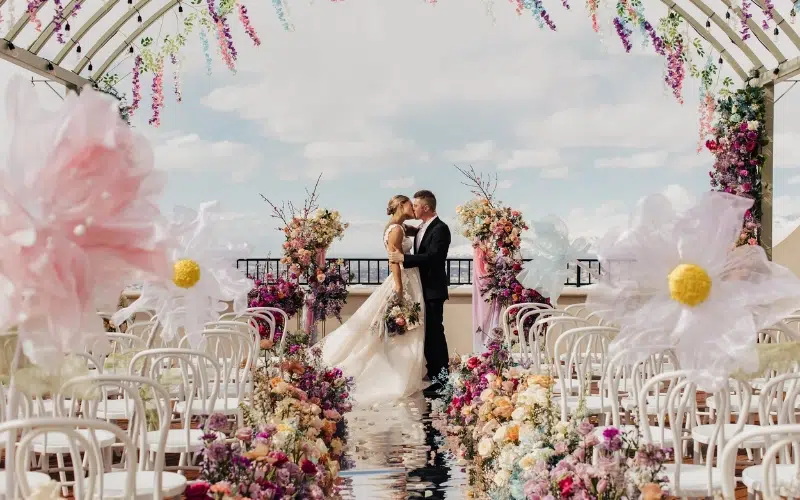
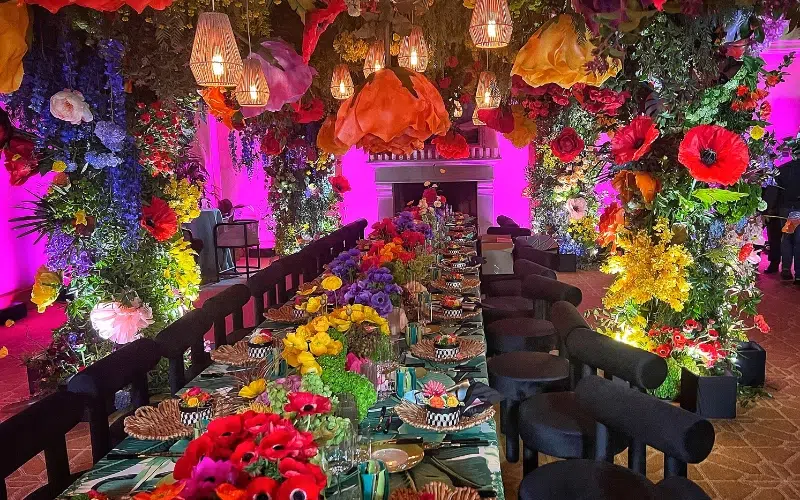
Statement florals create the moments guests remember. These are the features that stop conversation and draw cameras instantly. Suspended floral ceilings above dance floors, staircase garlands, bar installations, and dramatic entrance displays add theatre and scale to a celebration.
Large-scale installations require structural planning, professional mechanics, and experienced installation teams. They must be secure, proportionate, and designed with venue logistics in mind. One well-placed statement feature often delivers far greater impact than scattering budget across multiple smaller pieces.
These focal designs define the aesthetic and create atmosphere from every angle. When thoughtfully positioned, they anchor the entire floral concept and elevate the overall guest experience.
 Hanging floral ceilings and suspended designs
Staircase and entrance installations
Bar and feature backdrops for visual impact
Professionally structured and securely installed
Your chosen theme should guide floral selection rather than follow it. Romantic celebrations often feature roses, peonies, and soft trailing greenery that create movement and texture. Modern minimalist weddings lean towards sculptural blooms such as orchids and anthuriums with clean foliage lines. Mediterranean settings come alive with olive branches, whites, and warm neutral tones that echo natural surroundings. Boho aesthetics embrace dried textures and earthy palettes for relaxed elegance.
Matching florals to architecture strengthens authenticity. A stone courtyard benefits from natural tones, while sleek urban venues welcome structured silhouettes. Seasonal awareness enhances realism, ensuring blooms feel natural to the time of year.
Theme-led florals provide cohesion. They connect every element of the wedding visually and emotionally.
 Roses and peonies for romantic styling
Orchids and structured blooms for modern themes
Olive branches and neutrals for Mediterranean settings
Dried textures for boho and relaxed aesthetics
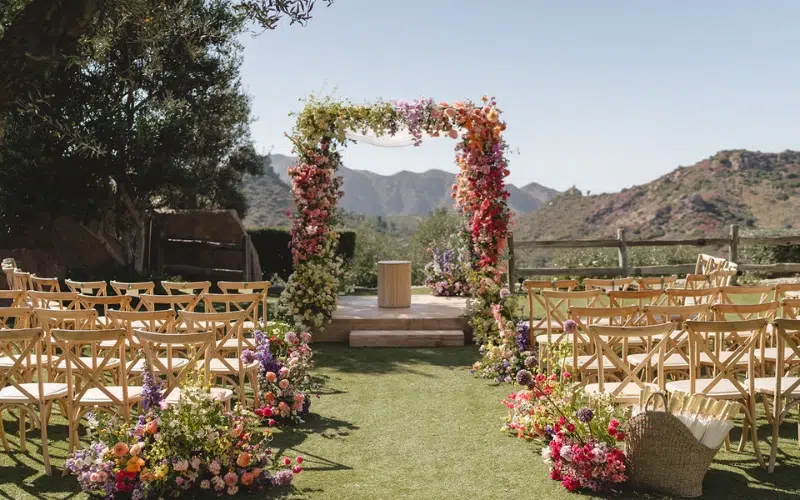
Seasonal flowers offer superior freshness, better value, and improved durability. Summer weddings benefit from roses, dahlias, snapdragons, and vibrant garden blooms that thrive in warmer temperatures. Winter celebrations often feature anemones, ranunculus, tulips, and layered greenery that complement candlelit atmospheres.
Selecting blooms that are naturally in season reduces reliance on imports and supports sustainability. It also improves longevity, particularly in outdoor settings where climate plays a significant role.
Working within seasonal availability does not limit creativity. Instead, it encourages thoughtful combinations that feel authentic and cohesive. Florals chosen for their natural timing often look more abundant and perform more reliably throughout the day.
 Summer blooms for colour and resilience
Winter florals for depth and richness
Reduced reliance on imported flowers
Improved durability in seasonal climates
Floral longevity is influenced by climate, hydration, and installation timing. In warmer conditions, hardy blooms such as orchids, anthuriums, carnations, and well-conditioned roses perform consistently. Delicate varieties may require shaded placement or limited exposure.
Professional florists hydrate stems thoroughly, store flowers at controlled temperatures, and install arrangements as close to ceremony time as possible. Strategic placement away from direct sunlight or wind ensures blooms remain fresh.
Designing with durability in mind protects your investment. Flowers should look as vibrant during your evening reception as they did at the ceremony. Knowledge and preparation make the difference between arrangements that wilt and those that endure.
 Heat-tolerant blooms for outdoor weddings
Proper hydration and conditioning techniques
Timed installation for peak freshness
Strategic placement to avoid sun exposure
Many couples allocate between 8 and 15 percent of their overall budget to a wedding floral designer. Costs are influenced by flower choice, installation complexity, labour, and mechanics. Instead of distributing funds evenly across every area, strategic investment often delivers stronger results.
Focusing on one or two impactful features, such as a ceremony arch or statement installation, creates visual strength. Complement these with simpler accents to maintain cohesion without overextending the budget.
Repurposing ceremony florals at the reception is an intelligent approach. Aisle arrangements can frame the top table, and arch florals can move behind a sweetheart setting. This ensures maximum value without compromising style.
 Strategic investment in key focal features
Repurposing ceremony florals for reception
Clear allocation of floral budget
Balance between impact and restraint
Modern weddings increasingly consider environmental impact. Seasonal sourcing, local growers, and foam-free mechanics reduce waste and carbon footprint. Repurposing installations and donating arrangements after the event extends their life beyond a single day.
Floral foam alternatives and reusable mechanics are becoming standard practice among responsible designers. Small design choices collectively contribute to more conscious celebrations.
Sustainability does not limit creativity. It simply encourages thoughtful sourcing and intelligent design. Beautiful weddings can also be environmentally considerate.
 Seasonal and locally sourced blooms
Foam-free floral mechanics
Repurposing and donation options
Conscious design choices with reduced waste
Wedding Florist: A successful floral design begins with clear communication. Bring inspiration images, a rough colour direction, venue details, and honest budget expectations to your consultation. Trust professional advice on seasonality and practical considerations.
Booking early, particularly for peak season dates, secures availability and allows time for creative development. Deposits typically secure your date, with final numbers confirmed closer to the wedding.
Collaboration creates confidence. When you feel heard and guided, the design process becomes enjoyable rather than overwhelming. A strong partnership ensures your vision evolves into something cohesive, achievable, and memorable.
 Prepare inspiration and venue details
Book early for peak season dates
Maintain open communication throughout planning
Trust professional guidance on practicalities