Photographers & Videographers
Professional Photographers & Videographers in Spain
Your photographer is the one supplier whose work outlasts the day. The flowers go, the food is eaten, the venue is someone else’s next Saturday. The photographs are what you’ll actually have.
Which makes it an odd thing to book from a website in another country, on the strength of a portfolio that shows twenty perfect frames from a hundred weddings. What that portfolio doesn’t tell you is whether they cover the whole day or eight hours, whether they shoot one wedding a day or three, how long delivery takes, or what happens when the light goes and the party moves indoors.
We work with photographers and videographers across Spain, from Marbella and the Costa del Sol to Barcelona, the islands and inland Andalucía. They cover the range of styles couples ask for: documentary, editorial, fine art, and cinematic film. Most work in English, and several have shot at the venues you’re considering, which matters more than it sounds when the ceremony is at seven and the light is going.
What we do is match you to the right ones and check the things a portfolio doesn’t show.
Trusted Photographers & Videographers

Contact Us
Make Your Day Special with Us
Start Your Wedding Journey and discover our exceptional services, designed to make your day extraordinary and unforgettable. We look forward to creating wonderful memories with you.


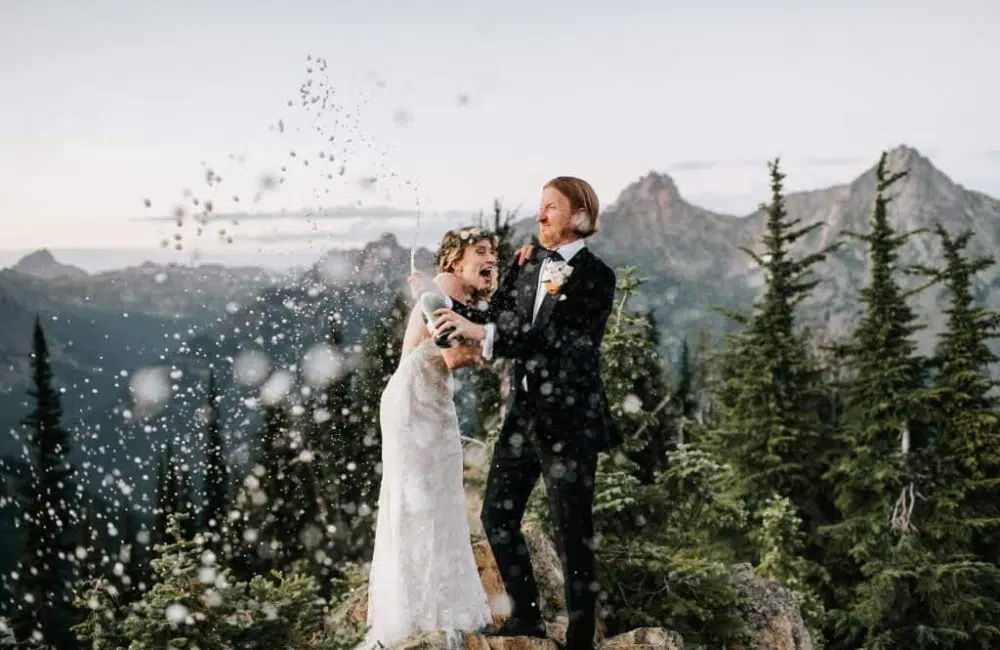
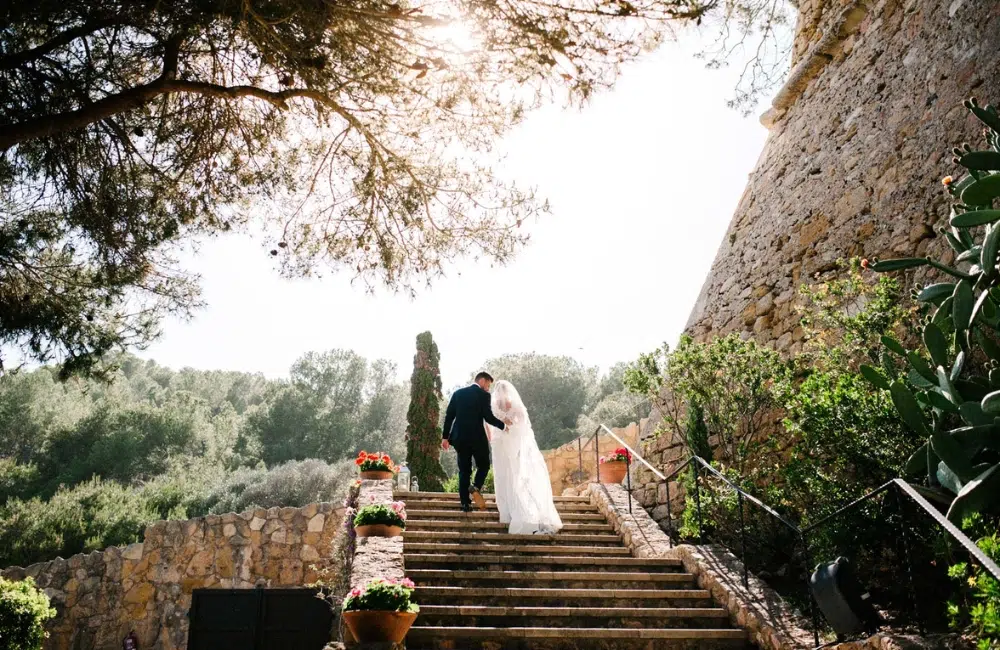
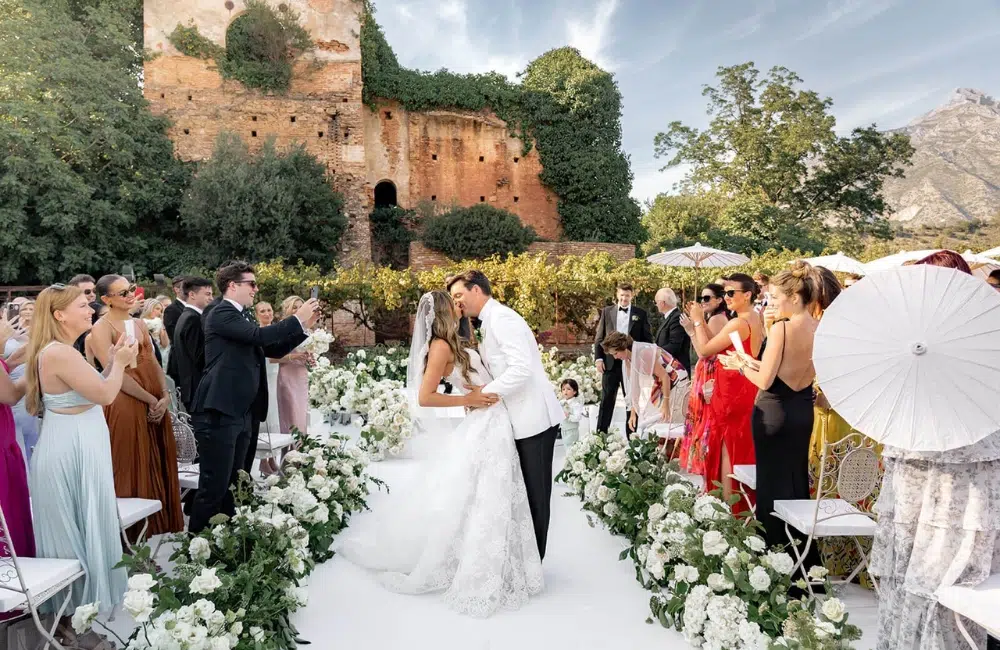

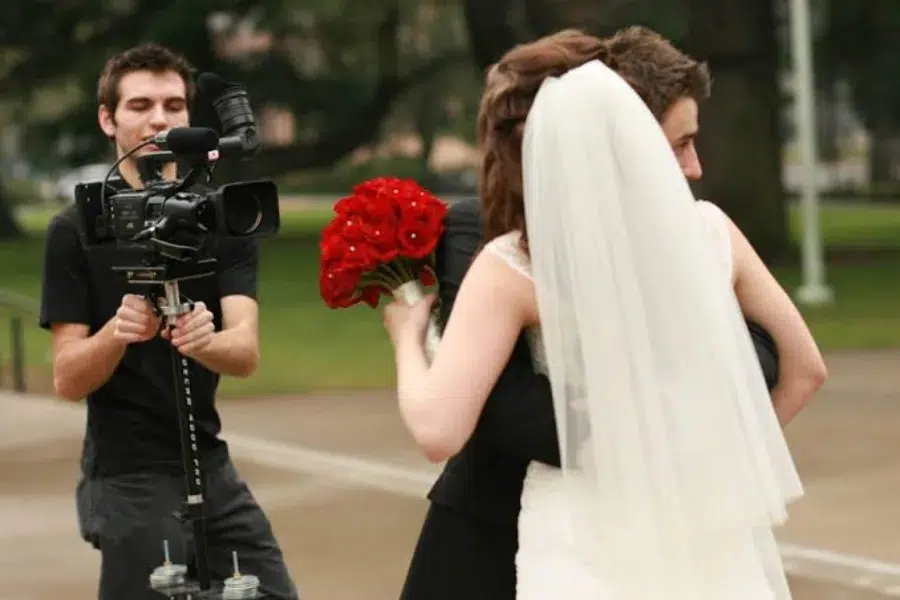
Wedding Photography
This is the one that outlasts everything else, and it’s the supplier couples most often book on the strength of a portfolio alone.
The portfolios are the problem. Every photographer shows you twenty perfect frames from a hundred weddings, and every one looks excellent. What the portfolio doesn’t tell you is how they handle the parts that aren’t perfect: the ceremony that starts forty minutes late, the group shots with a family that won’t stand still, the reception that moves indoors when it rains.
The styles, briefly. Documentary means they follow the day and photograph what happens, with few posed shots. Editorial is more directed, closer to a fashion shoot, with the couple positioned and lit. Fine art sits between the two: composed, soft, often film or film-emulating. Most photographers work somewhere between documentary and editorial, and the useful question isn’t which label they use but how much of your day you want to spend being photographed.
What to ask before you book. How many hours are included and what happens if the day overruns. Whether they shoot one wedding a day. How long delivery takes, since three months is normal and six is not. Whether you get a second shooter, which matters at 150 guests and doesn’t at 40. And whether they’ve worked at your venue, or will visit beforehand.
On budget, wedding photography in Spain typically runs €1,800 to €4,000 for full-day coverage, more for the better-known names and for anything involving travel and accommodation.
Wedding Videography
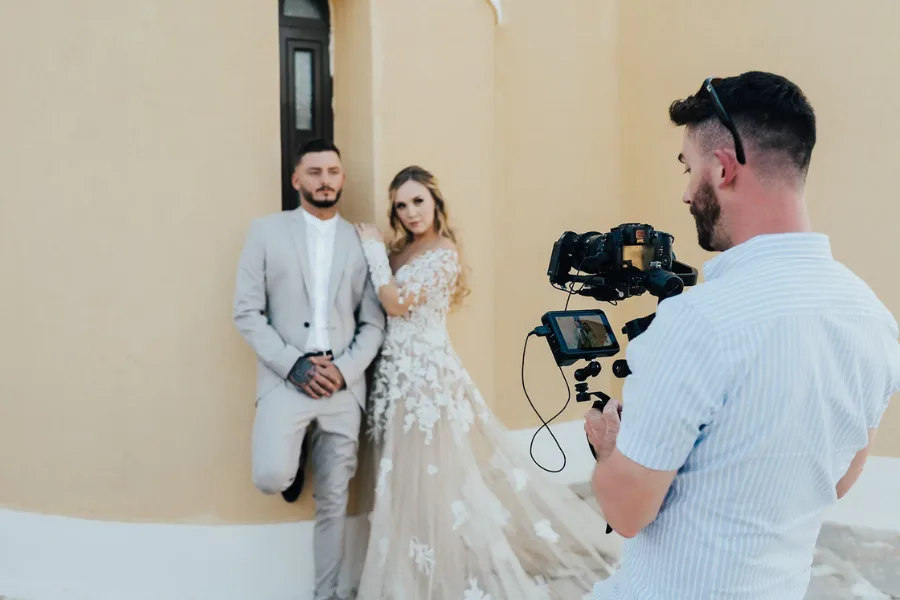
Video does something photographs can’t: it keeps the sound. Your father’s voice during the speech, the noise the room made when you walked back down the aisle, what your grandmother actually said. Couples who skip it are the ones most likely to regret a decision they made about their wedding.
It also captures the shape of the day rather than moments from it, which is why a good film feels like being there and a good photograph feels like remembering.
Formats. A highlight film runs three to six minutes and is what most couples watch and share. A feature film is fifteen to thirty and includes full speeches and ceremony. A documentary edit is longer still, largely unedited, and the one you’ll be glad of in twenty years. Most packages include the first; the others are usually extra.
Drone footage is worth having at a venue with a setting, which in Spain is most of them. It shows scale in a way nothing else does. Worth checking your videographer is licensed and that your venue permits it, since some don’t.
What to ask. How many people are filming, since one person cannot cover the ceremony from two angles. Whether audio is recorded properly with lapel mics and a feed from the PA, because speeches filmed on a camera mic in an open courtyard are unusable. How long delivery takes, which is typically longer than photography. And whether you get the raw footage.
Budget is broadly comparable to photography: €2,000 to €4,500 for a full day, with drone and additional edits on top.
Wedding Content Creation
The newest of the three and the one couples ask about most now.
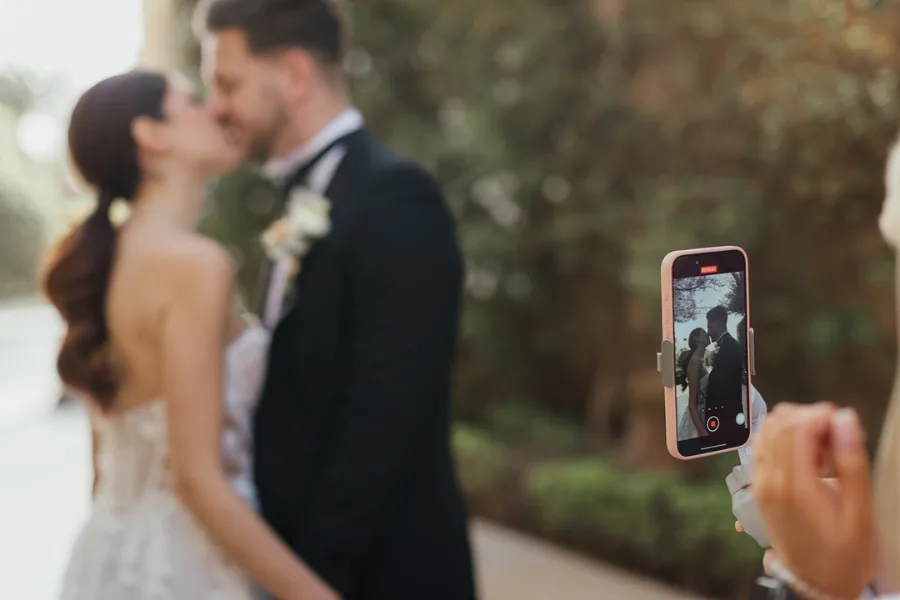
A content creator works alongside your photographer and videographer, shooting on a phone rather than a camera, and produces short-form video for social: Reels, Stories, TikToks. The point is speed. You get usable content within hours rather than months, while your wedding is still the thing everyone’s talking about.
It’s a genuinely different job from videography. Your videographer is making something you’ll watch in ten years. Your content creator is making something you’ll post on Sunday morning.
They also catch what the other two miss: the getting-ready chaos, guests arriving, the bit between the ceremony and dinner when everyone relaxes. Because they’re on a phone rather than a rig, people behave normally around them.
Worth knowing. They should be briefed alongside your photographer so they’re not standing in shots. Delivery is usually 24 to 48 hours for the first batch. And if you don’t want your wedding online, say so at the outset, because the entire service assumes the opposite.
More on our wedding content creators page.
Contact Us
Make Your Day Special with Us
Start Your Wedding Journey and discover our exceptional services, designed to make your day extraordinary and unforgettable. We look forward to creating wonderful memories with you.
What Photography & Videography Costs
What you’ll pay depends on four things more than anything else: how experienced the supplier is, how many hours they’re with you, how much post-production the edit involves, and what you actually get at the end.
Photography and videography are priced separately by most suppliers, though booking both together usually works out cheaper than two individual bookings, and it means one team coordinating rather than two working around each other.
The figures below are for Spain generally. Marbella, Ibiza and Barcelona sit at the upper end; inland Andalucía and the quieter regions below.
Photography average: €1,200 to €2,500 for full-day coverage in Spain.
Videography average: €1,200 to €4,000 depending on scope and production.
Combined photo and video: commonly €2,000 to €5,000 as a realistic budgeting range.
What pushes costs up: second shooters, drone footage, albums, longer edits, and multi-day coverage.
What keeps costs down: shorter coverage, weekday weddings, and simpler deliverables.
See Our Wedding Packages
Where We Work

Marbella and the Costa del Sol.
Marbella and the Costa del Sol. The deepest supplier market in Spain and the widest range of styles, from documentary to full cinematic production. Also the most competitive, so the good ones book eighteen months out for peak Saturdays. See our: Wedding venues in Marbella
Málaga
Málaga. City weddings need a different eye from coastal ones: rooftops, old town streets and interiors rather than open light. Photographers who shoot the city regularly know where to take you between the ceremony and dinner. See our: Wedding venues in Málaga

Estepona and Sotogrande
Estepona and Sotogrande. Quieter, and the suppliers here mostly come from Marbella, so factor travel into the quote. Sotogrande weddings often run late, which is worth confirming your photographer’s hours cover. See our: Wedding venues in Estepona and Wedding venues in Sotogrande
Ronda and inland Andalucía
Ronda and inland Andalucía. The most dramatic backdrops in Spain and the trickiest light, since the gorge and the mountains throw hard shadows in the middle of the day. Photographers who work here regularly plan around it. See our: Wedding venues in Ronda
Ibiza
Ibiza. Its own supplier scene, geared to villa weddings and sunset ceremonies, and priced accordingly. Everything books early here because the season is short and busy. See our: Wedding venues in Ibiza
Mallorca
Mallorca. Finca weddings among the olive groves with the Tramuntana behind. A smaller supplier pool than Ibiza but a strong one, with several photographers who shoot almost nothing else. See our: Wedding venues in Mallorca


Barcelona and Catalonia
Barcelona and Catalonia. Masies inland, the Gothic Quarter in the city, and the Costa Brava to the north. The most editorially minded supplier market in Spain, and where you’ll find the strongest fine-art photographers. See our: Wedding venues in Barcelona
Popular Photography Styles & Solutions
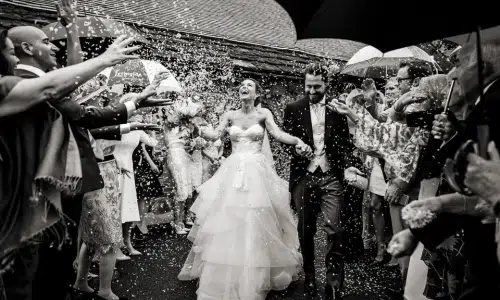
Documentary / Photojournalistic
They follow the day and photograph what happens. Few posed shots, minimal direction, and you’ll barely notice them working.
Best if you dislike being photographed, or if you want the day to feel like the day rather than a shoot. The trade-off is fewer formal group shots, so if your parents want a photograph of the whole family, ask for it specifically rather than assuming.
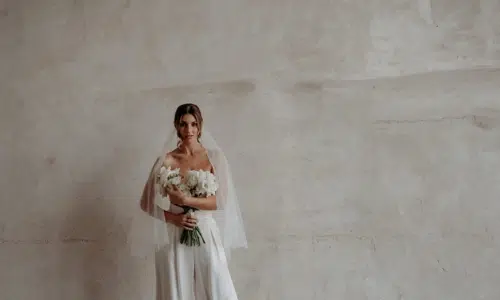
Editorial / Fashion-Inspired
Directed, composed and lit, closer to a magazine shoot than a record of the day. The photographer positions you, and the results are polished.
Best if you like being photographed and want images that look designed. Budget forty minutes to an hour away from your guests, and be honest with yourselves about whether you’ll enjoy that.
Fine Art
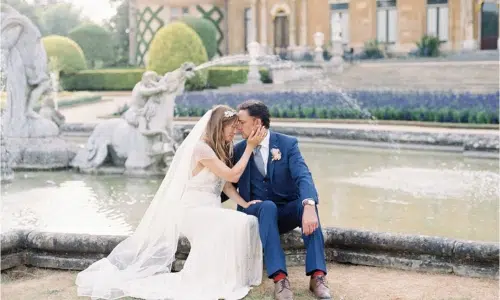
Soft, light-driven and often shot on film or edited to look as though it was. Muted tones, careful composition, and a quieter feel than either of the above.
Best if you care more about how the photographs look in ten years than how many you get. Fewer images delivered, longer turnaround, and often the most expensive of the thre
Drone / Aerial
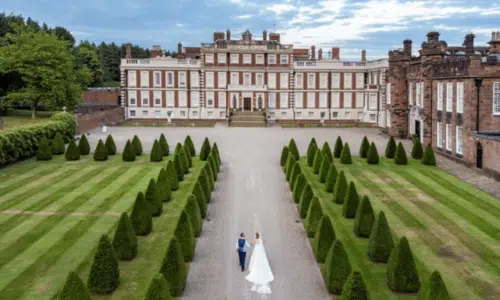
Aerial footage of the venue, the ceremony and the setting, usually cut into a highlight film or used as establishing shots.
Best if your venue has something worth seeing from above, which in Spain is most of them: a finca among olive groves, a clifftop, a coastline. It shows scale in a way nothing at ground level can.
Two things to check. Your operator needs to be licensed, and your venue needs to permit it, since some don’t and a few are near enough to an airport that it isn’t allowed at all. Ask both before assuming it’s included.
360-Degree Video
Captures the whole space in every direction, so a viewer can look around the scene rather than watching a fixed frame. Played back on a phone or a headset.
Best if you have guests who genuinely can’t travel, since it’s the closest thing to standing in the room. It’s also the one couples ask about least, and the footage rarely gets watched more than once.
Worth knowing it doesn’t replace conventional video. The camera has to sit in one place, so it captures the atmosphere and the layout rather than the moments. Most couples who book it treat it as an addition to a highlight film, not an alternative.

Cinematic
Film-style production: slow motion, colour grading, music, voiceover, and an edit built around a narrative rather than a running order. The most produced of the video styles and the one that looks like a short film.
Best if you want something you’ll sit down and watch rather than skip through. It also travels well, since a cinematic highlight film is what people actually share.
The trade-off is time and money. Cinematic work usually needs two operators, proper audio with lapel mics and a feed from the PA, and a longer edit, so delivery runs to three or four months. It’s the most expensive option on this page and the one most likely to be worth it.
See All Our Wedding Venues in Spain...
Discover your perfect wedding venues in Spain
Contact Us
Make Your Day Special with Us
Start Your Wedding Journey and discover our exceptional services, designed to make your day extraordinary and unforgettable. We look forward to creating wonderful memories with you.
Top 10 Wedding Poses For Newlyweds
Wedding portraits are about more than simply standing together. The most successful poses create scenes that reflect your relationship, showcase your outfit and setting, and capture emotion rather than stiffness. Photographers often mix romantic classics with dynamic movement, helping couples look relaxed and engaged with one another while still producing striking visuals. Many of these poses work beautifully during golden hour or near scenic views, encouraging natural interaction that results in images full of warmth and presence.
Forehead Kiss or Touch: A beautifully intimate pose where one partner gently kisses or rests their forehead against the other’s, creating a soft, emotional image that focuses entirely on connection, tenderness and genuine affection.
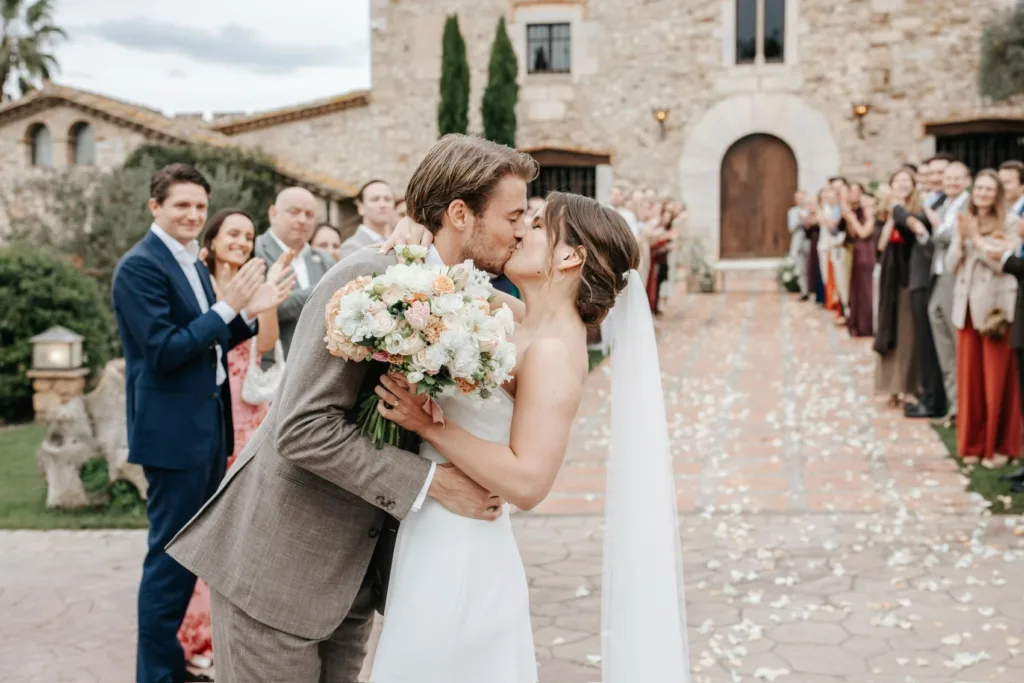
Dip and Kiss: A timeless and slightly dramatic pose in which one partner dips the other into a kiss, adding movement, elegance and a cinematic feel that works especially well in open spaces or grand venues.
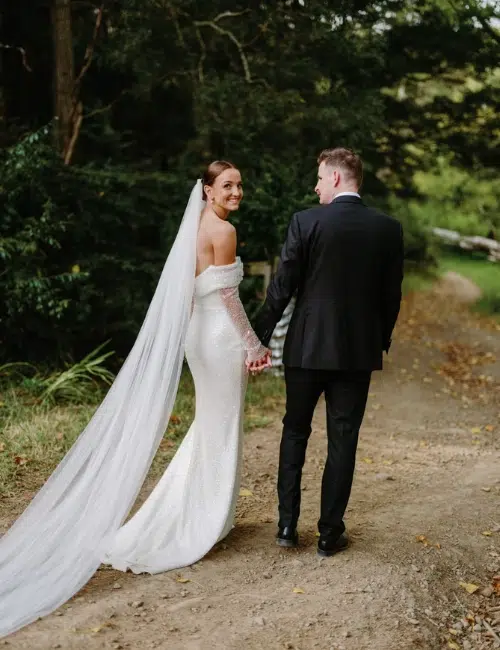
Walking Hand-in-Hand: A natural, movement-led pose that captures the couple strolling together, smiling and interacting, resulting in relaxed, candid-style photographs filled with joy and authenticity.
The Embrace (Front or Back Hug): A classic and heartfelt pose where the couple hold each other closely, either face to face or from behind, conveying warmth, comfort and deep emotional connection.
The Lift: A playful and energetic pose where one partner lifts the other off the ground, creating a joyful, spontaneous image that reflects excitement and celebration.
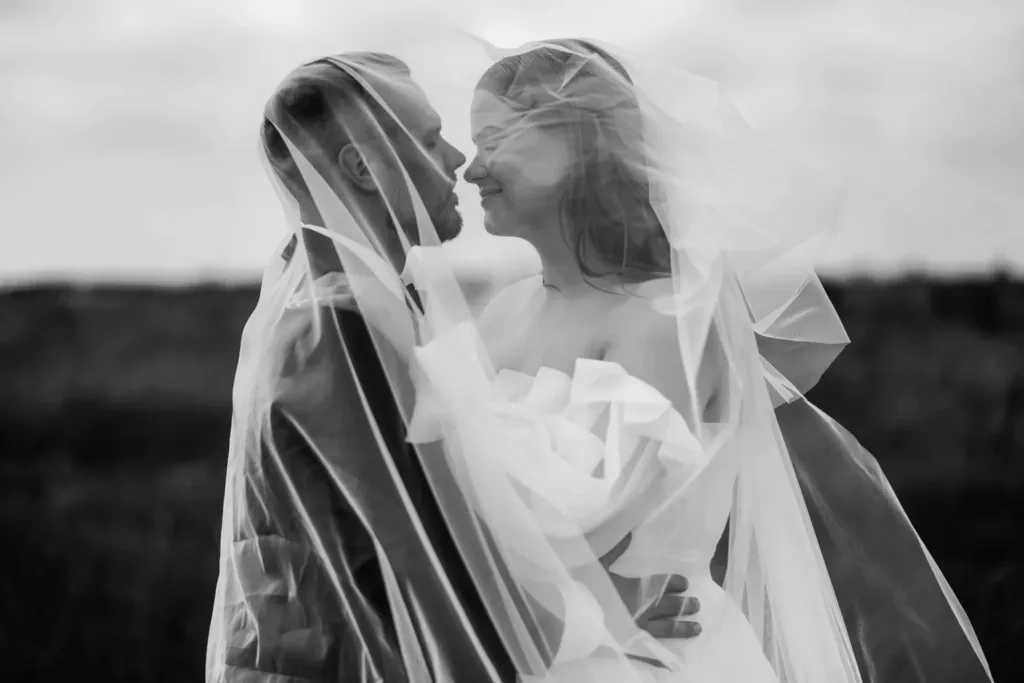
Under the Veil: A romantic and ethereal pose where the couple stand close beneath the bride’s veil, producing a soft, enclosed frame that enhances intimacy and visual drama.
Sunset Silhouette: A striking and artistic pose that places the couple against the setting sun, allowing their outline to form a dramatic silhouette full of romance and atmosphere.
Playful Spin or Twirl: A dynamic pose where the bride or partner spins while holding hands, adding motion, laughter and a carefree energy to the photographs.
Nose-to-Nose or Nuzzle: A tender close-up pose that captures the couple gently leaning into one another, creating an image that feels personal, affectionate and completely natural.
Sitting Together: A relaxed and storytelling pose where the couple sit side by side on steps, grass or a bench, allowing for calm interaction and beautifully composed, intimate portraits.
These poses help you and your photographer create a varied gallery with emotional depth and visual interest. When planning your shoot, discussing these ideas with your photographer will ensure you get portraits that feel timeless and true to your personalities.
Top 10 Wedding Photography Styles
Choosing the right wedding photography style is just as important as choosing your venue, because it shapes how your memories will look and feel for years to come. Each style brings a different mood, level of direction, and creative approach, so understanding the differences helps you decide what truly reflects your personality and celebration.
Documentary or Reportage: A natural storytelling approach that captures genuine moments as they happen, without staged posing or interruption.
Fine Art: An artistic style that focuses on beautiful composition, soft light, and carefully crafted details to create elegant, gallery-worthy imagery.
Editorial: Inspired by fashion magazines, this style uses confident posing and dramatic framing to produce polished, high-end photographs.
Traditional: A classic approach centred around posed portraits and structured group shots that stand the test of time.
Cinematic: A dramatic, story-led style that uses rich tones and strong composition to make images feel like scenes from a film.
Light and Airy: A bright and romantic aesthetic with soft colours and natural light, creating fresh and uplifting images.
Dark and Moody: A bold style with deeper tones and contrast, producing atmospheric and emotionally intense photographs.
Vintage: Inspired by older film photography, this look often includes muted tones or subtle grain for a nostalgic finish.
Lifestyle: A relaxed blend of gentle guidance and candid interaction, resulting in natural and comfortable portraits.
Black and White: A timeless monochrome style that removes colour to emphasise emotion, contrast, and expression.
Our Services

Venue Sourcing
Venue Sourcing & Tours | We expertly source and tour secure idyllic Andalucia wedding venues, from luxurious beachfront villas to rustic countryside fincas, perfectly tailored to your unique vision and style. See our hand selected Wedding Venues

Wedding Planning
Wedding Planning Services & Packages | Our professional Andalucia wedding planners meticulously handle every detail, from budgeting and guest logistics to design aesthetics, crafting personalised, stress-free celebrations. Also see our: Wedding Packages

On-Day Coordination
On-Day Wedding Coordination | Our dedicated on-the-day wedding coordinators ensure your Andalucia celebration flows seamlessly by managing timelines, vendors, and guest arrangements, so you can enjoy your special day.

Vendor Sourcing
Vendor Sourcing & Management | Leveraging our trusted network of premium local suppliers, from top caterers and talented DJs to photographers and florists, we seamlessly manage all vendor interactions.
By reviewing this information in advance, you’ll gain a better understanding of our services, pricing structure, and creative approach, allowing your consultation to focus entirely on crafting a personalised, stress-free experience.
If there’s something you’re unsure about, our friendly team is always just a call or email away. Please read our Frequestly Asked Questions / FAQs.
Contact Wedding Venues ES Today!
Discover your perfect wedding packages in Spain
Common Questions
How much does wedding photography cost in Spain?
Full-day coverage typically runs €1,200 to €2,500, with the better-known names above that. Videography is €1,200 to €4,000 depending on scope, and booking both together commonly comes to €2,000 to €5,000.
What pushes it up: a second shooter, drone footage, a printed album, longer edits and multi-day coverage. What brings it down: fewer hours, a weekday date, and simpler deliverables.
Ask whether IVA at 21% is included, because some suppliers quote inclusive and some don’t.
How far in advance should we book?
Twelve to eighteen months for a Saturday between May and September, and longer in Ibiza and Mallorca where the season is short and the supplier pool smaller. The photographers couples most want are booked earliest, often before the couple has finalised anything else.
If your date is inside six months, there’s usually still good availability midweek and outside peak season.
Can we see a full wedding rather than a portfolio?
Yes, and we’d push you to ask. This is the single most useful thing you can do before booking.
Every portfolio shows twenty perfect frames from a hundred weddings, and every portfolio looks excellent. A complete gallery from one day shows you how they handle the parts that aren’t perfect: harsh midday light, a ceremony running late, group shots with a family that won’t stand still, a reception that moves indoors.
Any photographer worth booking will share one.
Will they cover the whole day or a set number of hours?
Depends on the package, and it’s worth pinning down. Many quote eight or ten hours rather than the full day, which sounds generous until you count from bridal preparation at eleven to the first dance at midnight.
Check what happens if the day overruns and what overtime costs. And check when coverage starts, since some photographers arrive an hour before the ceremony and others are there from the morning.
What's the difference between a photographer, a videographer and a content creator?
Different jobs, different outputs, different timescales.
A photographer produces stills, delivered in two to four months. A videographer produces film with sound, usually three to four months. A content creator shoots short-form video on a phone for social media, delivered within 24 to 48 hours.
They complement each other rather than overlap. A content creator doesn’t replace a videographer, and neither replaces a photographer.
How long until we receive everything?
Photography is usually eight to twelve weeks. Video is longer, typically three to four months, and cinematic edits longer again.
Most photographers send a preview of ten or twenty images within a week or two, which is what you’ll want for thank-yous and social. If a supplier is quoting six months or won’t commit to a timeframe at all, that’s worth asking about.
Do we need a second shooter?
At 150 guests, yes. At 40, probably not.
One person cannot photograph you walking down the aisle and your partner’s face at the same time, and that’s the shot couples ask about afterwards. A second shooter also covers both preparation locations in the morning and gives you a wider range of angles during the ceremony.
It’s the addition we’d recommend before drone footage or an album.
Is drone footage included?
Usually not as standard. Expect it as an add-on.
Two things to check first. Your operator needs to be licensed, and your venue needs to permit it. Some don’t, and a few sit close enough to an airport that it isn’t allowed at all. Establish both before budgeting for it.
Where it’s permitted, it’s worth having at a venue with a setting, which in Spain is most of them.
Do your photographers speak English?
Yes. Every supplier we recommend works comfortably in English, and several are British or Irish. That matters more than it sounds on a wedding day, when timings shift and someone needs to explain to eighty guests where to stand.
Many also work in Spanish, French or German, which helps if your guest list is mixed.
Do we need to feed them?
Yes, and it’s standard. Your photographer and videographer will be with you for ten or twelve hours, and most caterers offer a supplier meal at a reduced rate.
Make sure they’re counted in your final numbers. It’s an easy line to miss and it’s typically two to four extra covers once you include the videographer and any assistants.
Can we use a photographer we've already found?
Of course. Plenty of couples bring someone from home, particularly if they’ve worked with them before.
Worth checking two things: whether your venue permits outside suppliers, since some hotels and resorts don’t, and whether travel and accommodation are on top of the quoted fee. If you’d like us to handle everything else while you keep your own photographer, that’s straightforward.