Wedding Venues

Getting Married in Spain in 2027

Getting Married in Spain in 2027

Getting Married in Spain in 2027: The Complete Planning Guide

Spain has established itself as one of Europe’s leading destinations for international weddings and vow renewals. A dependable climate, world class venues, and a proven framework for couples travelling from overseas make it a natural choice for those seeking a memorable celebration abroad. For couples considering 2027, the timing could not be better. This complete guide covers everything you need to know about getting married in Spain in 2027, including the legal requirements, the best times and dates to marry, budgeting, the finest locations, and a clear planning timeline.

wedding-documents

Why 2027 Is the Ideal Year to Marry in Spain

Destination weddings are typically planned twelve to eighteen months in advance. The most sought after wedding venues, the leading photographers, and the most desirable late spring and early autumn dates are frequently reserved well ahead of schedule. Couples who begin planning in 2026 for a 2027 celebration therefore secure the widest possible choice of venues, suppliers, and dates, rather than settling for whatever remains at short notice.

A generous lead time also allows Spain’s documentation process to be completed comfortably. Rather than rushing paperwork in the final weeks, couples can work through each stage methodically, confident that everything will be in order. In short, planning a 2027 wedding now means you are working with the calendar rather than against it, and that difference alone can transform the entire experience from stressful to enjoyable.

There is also a practical financial benefit. Booking early often locks in current pricing before annual increases take effect, and it gives guests ample time to arrange affordable flights and accommodation. For an international celebration, that early notice is one of the kindest things you can offer the people you want beside you on the day.

Legal Requirements for Getting Married in Spain

International couples can legally marry in Spain, whether both partners are foreign nationals, one partner is a Spanish citizen, or neither has any prior connection to the country. Understanding how the process works early on will shape every planning decision that follows.

The most important consideration is residency. A civil ceremony in Spain generally requires that at least one partner has been legally resident in the country for approximately two years before the marriage. Requirements can also vary from one region to another, and the local Civil Registry retains the final say on individual cases. For most visiting couples, this residency condition is not practical to meet.

For this reason, the vast majority of international couples follow a well established and completely straightforward path. They complete the legal marriage in their home country, then hold their main celebration, a symbolic or religious ceremony, in Spain. This approach removes the residency barrier entirely while preserving the freedom to marry wherever and however the couple wishes.

Couples who would prefer the legally binding ceremony to take place closer to Spain sometimes choose Gibraltar. As a British territory, Gibraltar offers a comparatively simple marriage process and sits roughly one hour from Marbella by road, making it a convenient option for couples based on the Costa del Sol.

The key point to take away is reassuring. The residency requirement shapes how you structure your celebration. It does not prevent you from getting married in Spain.

wedding

Civil, Religious, and Symbolic Ceremonies Explained

Choosing the right type of ceremony is one of the first decisions you will make, and each option suits different couples.

A civil ceremony is the legally binding option performed at a Civil Registry or town hall. Because of the residency requirement noted above, it is most commonly used by couples who already live in Spain.

A religious ceremony, most often Catholic, can be legally recognised in Spain and does not carry the same minimum residency requirement as a civil wedding. However, it involves its own procedures, including advance arrangements with the parish and specific documentation, so it requires careful planning and early contact with the church.

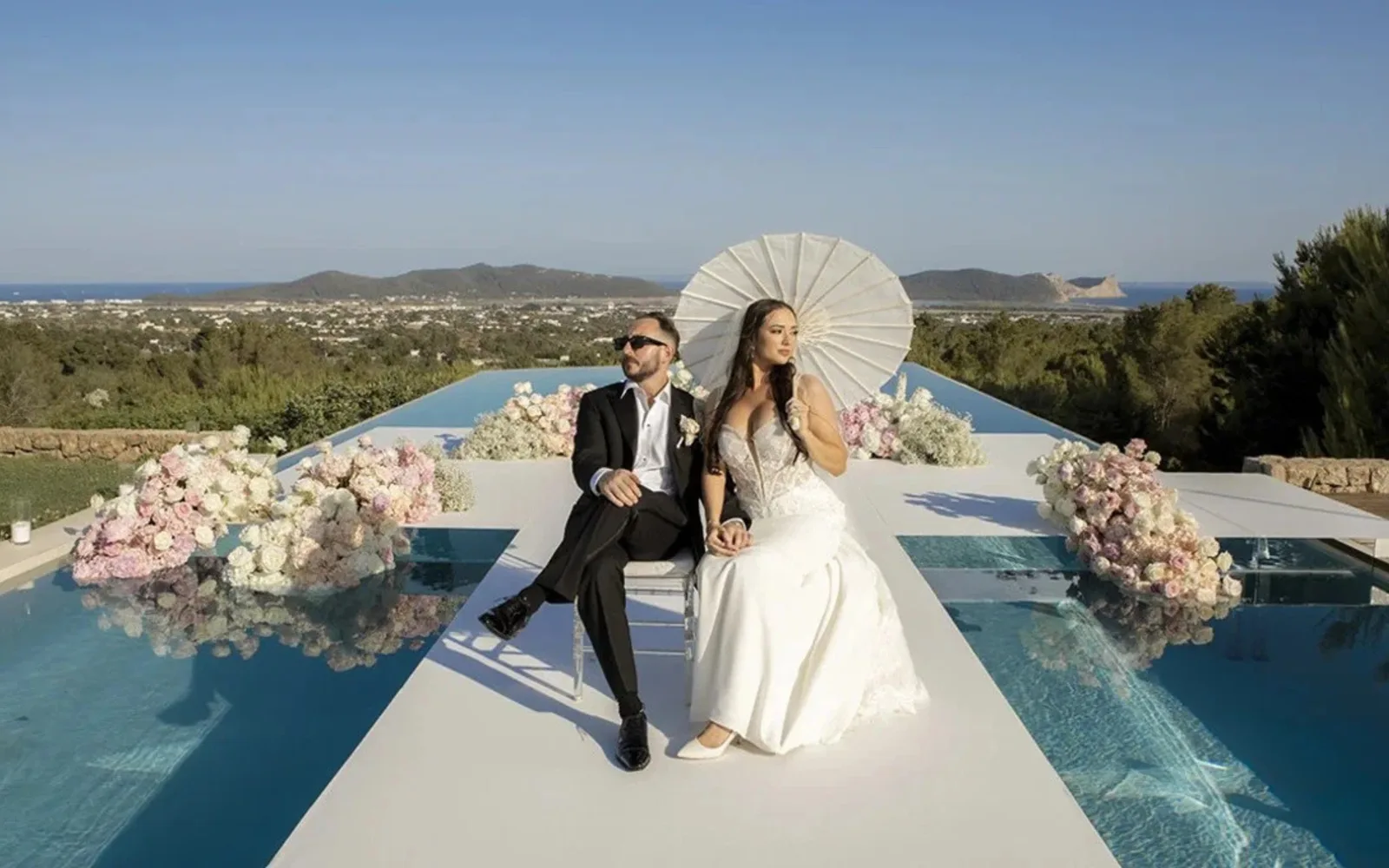
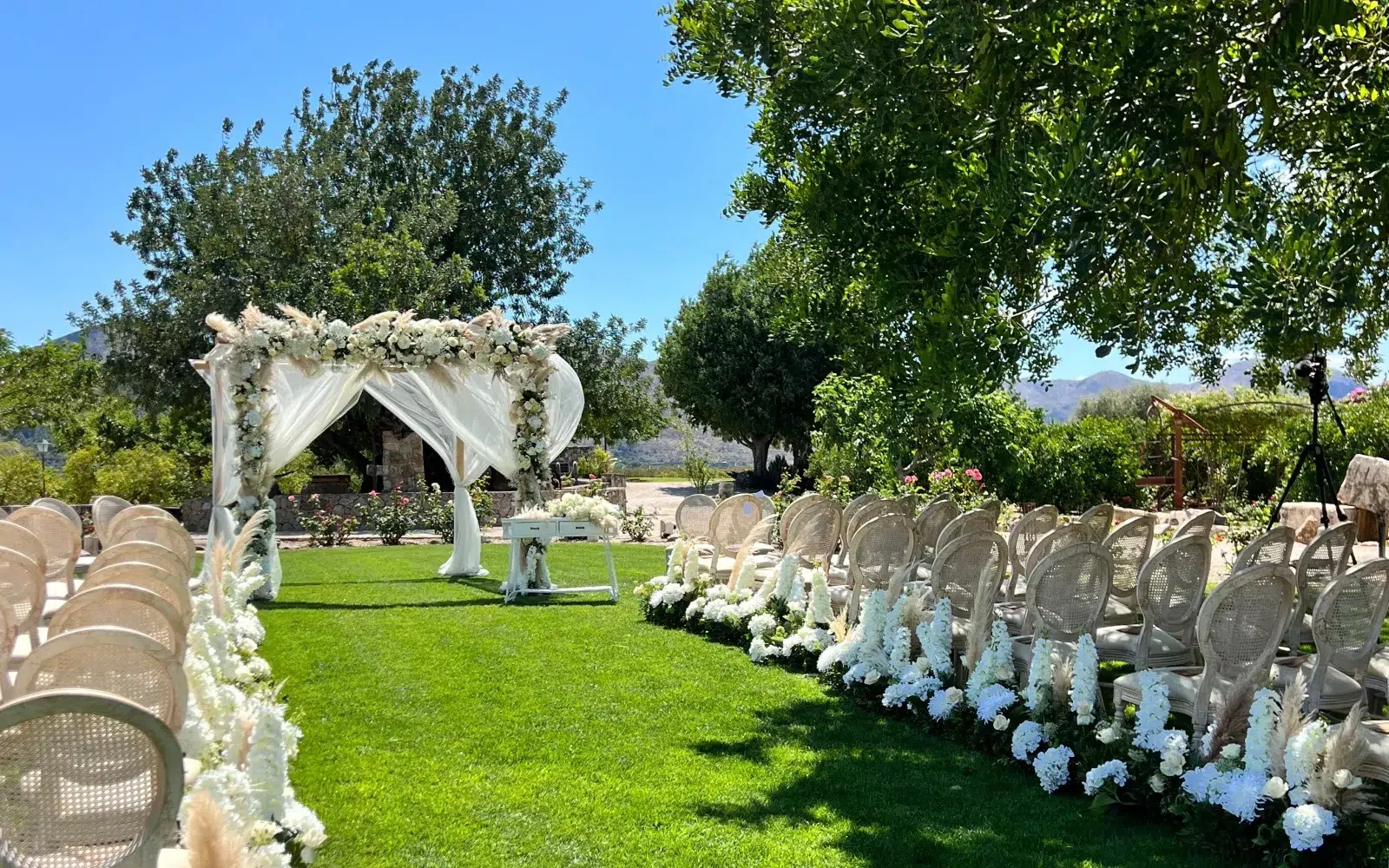
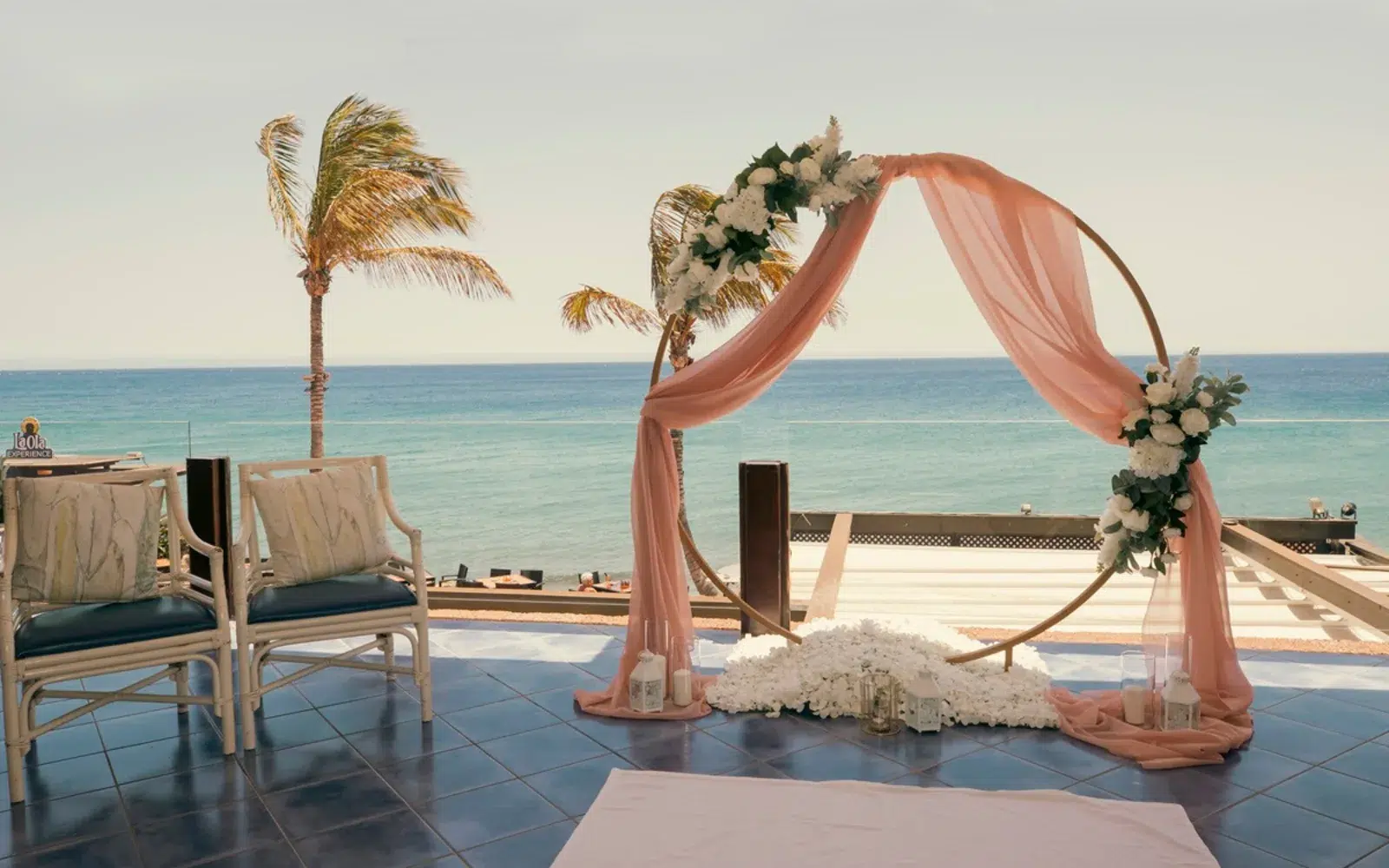
A symbolic ceremony is by far the most popular choice for visiting international couples. It carries no residency requirement and no Spanish administrative process, because the legal marriage has already taken place at home. A symbolic ceremony offers complete flexibility over location, format, and content. You can marry on a beach, in a historic finca, beneath olive trees, or on a cliff overlooking the Mediterranean, using your own words and vows, with full control over the day. To your guests, it looks and feels exactly like a wedding, because it is one in every way that matters emotionally. Only the paperwork happens elsewhere.

Documents You Will Need

Although a symbolic ceremony in Spain requires no local paperwork, the legal marriage completed in your home country will involve standard documentation. For couples pursuing a legally recognised ceremony in Spain, requirements typically include valid passports or identity documents, full birth certificates, proof that both parties are free to marry, and certificates confirming civil status. Divorced applicants will usually need to provide a decree and previous marriage certificate.

Foreign documents commonly need to be legalised or carry the Hague Apostille, and any document not in Spanish must generally be translated by an official sworn translator. Because requirements vary by nationality and by region, and because some consulates can be slow to issue certificates, it is wise to begin gathering documents early. A local wedding planner or legal adviser can confirm exactly which documents apply to your situation and help you avoid delays.

wedding
wedding

The Best Time of Year to Marry in Spain

Spain enjoys favourable weather across much of the year, but certain seasons are especially suited to weddings.

Late spring, covering May and June, brings warm and comfortable temperatures, long daylight hours, and countryside that remains green after the winter rains. For many couples, this is the most beautiful window of the entire year.

Early autumn, covering September and October, is a quieter favourite. The sea remains warm, the light turns softer and more golden, crowds thin out, and pricing is often more competitive than in the peak summer months.

High summer, covering July and August, delivers the warmest and most reliable sunshine. It suits coastal venues and evening ceremonies particularly well, although inland temperatures can be intense, so the heat should be planned around rather than ignored.

Winter and early spring can also work beautifully for smaller, intimate gatherings, especially in the south, where the climate remains mild.

Memorable Wedding Dates in 2027

To help you picture your day in specific terms, here are several 2027 Saturdays worth considering:

spanish-wedding-in-2027 Saturday 22 May 2027, offering late spring bloom and ideal temperatures

spanish-wedding-in-2027 Saturday 19 June 2027, with long daylight hours and warm evenings

spanish-wedding-in-2027 Saturday 26 June 2027, a pretty early summer date

spanish-wedding-in-2027 Saturday 25 September 2027, bringing golden early autumn conditions

spanish-wedding-in-2027 Saturday 9 October 2027, with a warm sea and softer light

Couples who love a date with a little meaning may note that 27 February 2027 falls on a Saturday, offering a neat nod to the year. For those drawn to lucky sevens, 7 July 2027, written as 07/07/2027, falls midweek. Midweek dates are well worth considering, as they often come with more favourable supplier pricing and a more relaxed, intimate atmosphere.

Your 2027 Wedding Planning Timeline

The following wedding planning schedule, outlines a relaxed and realistic approach for a 2027 wedding that begins in 2026.

Twelve to eighteen months before the wedding, choose your region, confirm your venue and date, and secure the photographer and wedding planner you want before anyone else books them.

Nine to twelve months before, confirm your principal suppliers, including catering, entertainment, and floral arrangements. Send save the date notifications so that guests can book travel and accommodation early and affordably.

Six months before, complete the legal ceremony in your home country and begin any required documentation. Finalise your styling, menu, and event schedule.

Two to three months before, confirm final guest numbers, seating arrangements, and the order of proceedings, and reconfirm every supplier.

In the final weeks, complete your travel preparations and hand the remaining logistics to your planner, so that you can simply enjoy the countdown to your day.

tie-the-knot
spanish-wedding

The Best Wedding Locations in Spain

Spain is not a single wedding destination. It is a collection of distinct regions, each with its own character.

The Costa del Sol and Marbella offer glamour, dependable sunshine, established wedding infrastructure, and easy access from the United Kingdom, making this one of the most popular regions for British couples.

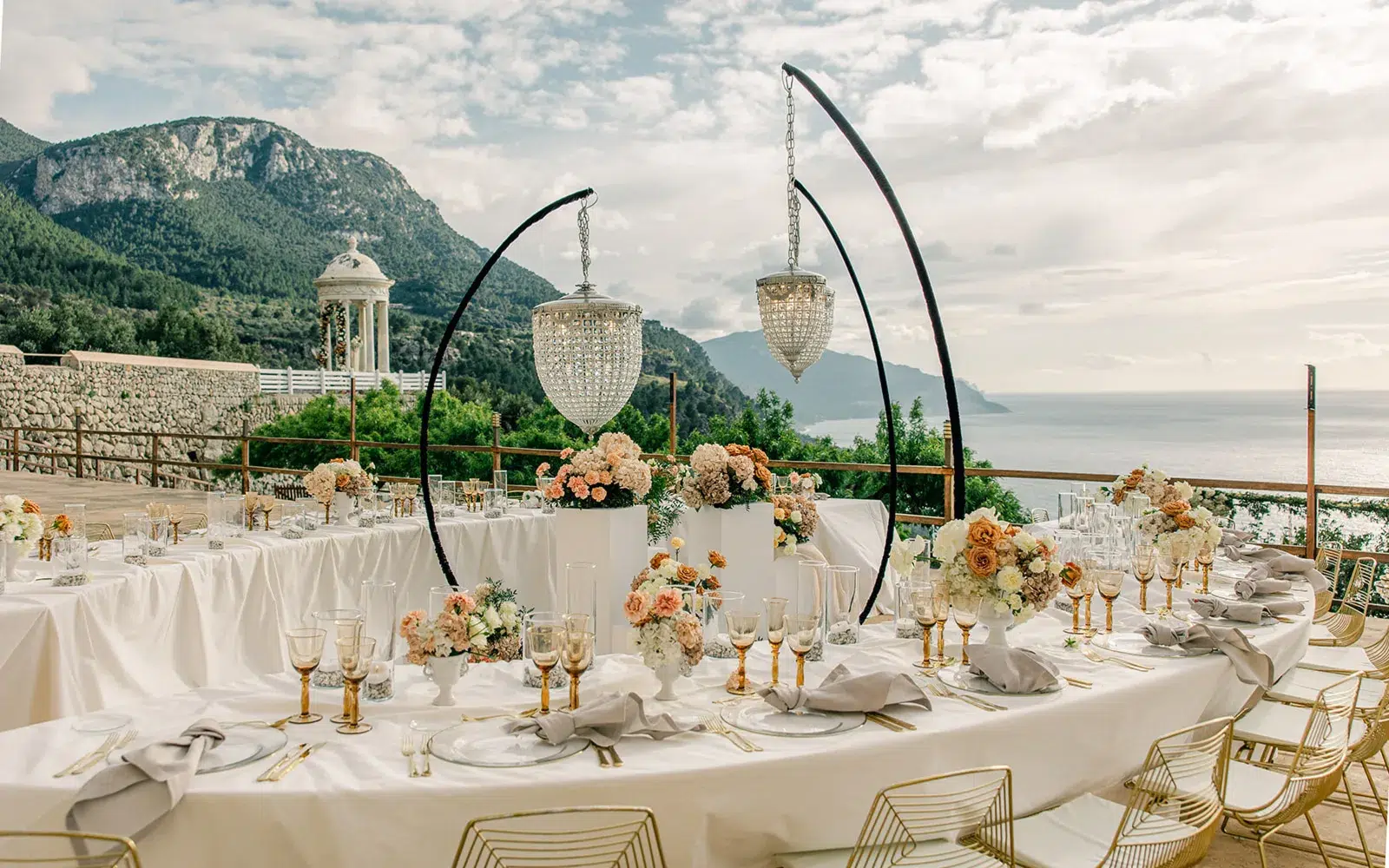
Mallorca and Ibiza provide island romance, with venues ranging from rustic country fincas to stylish contemporary beach settings.

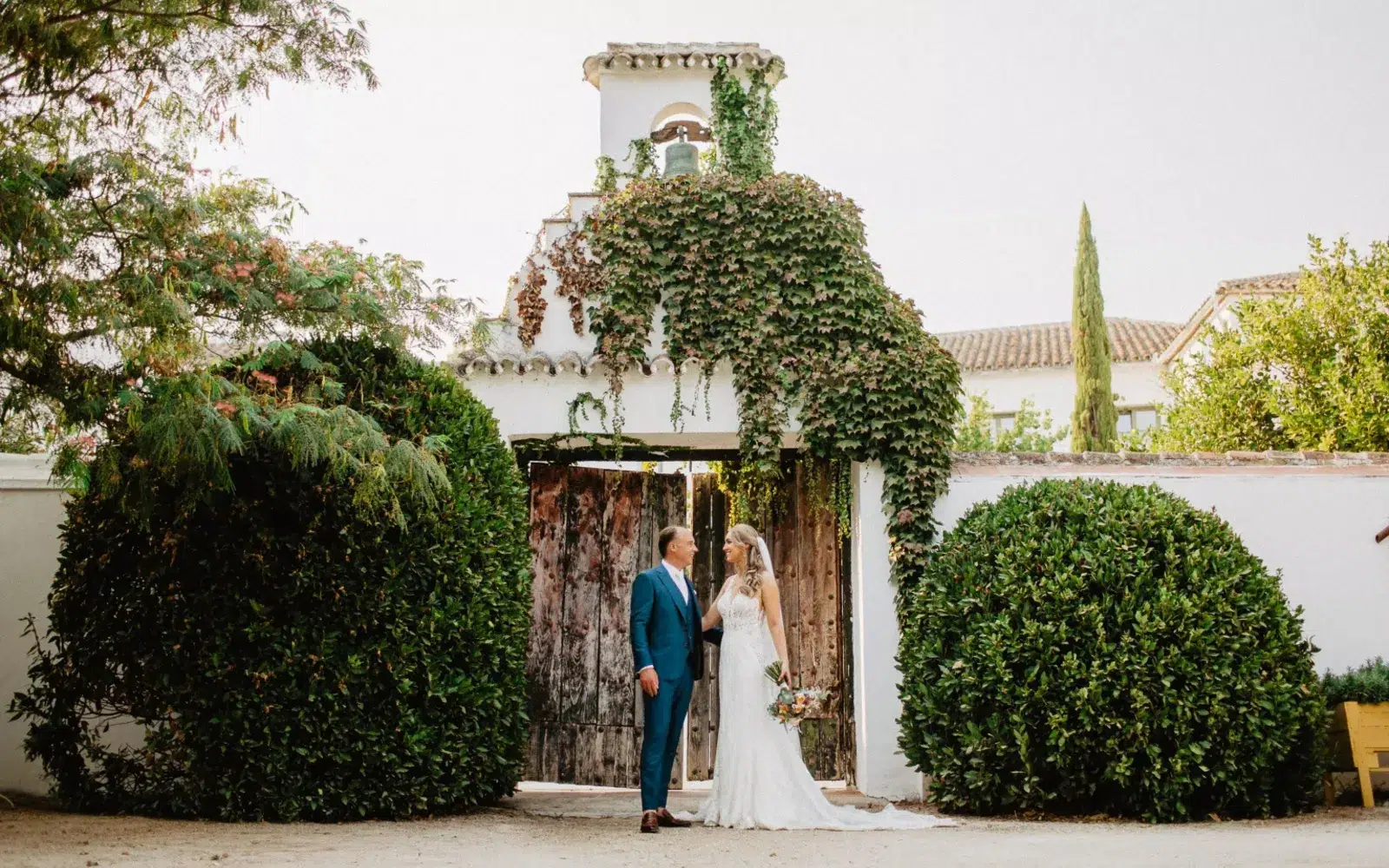
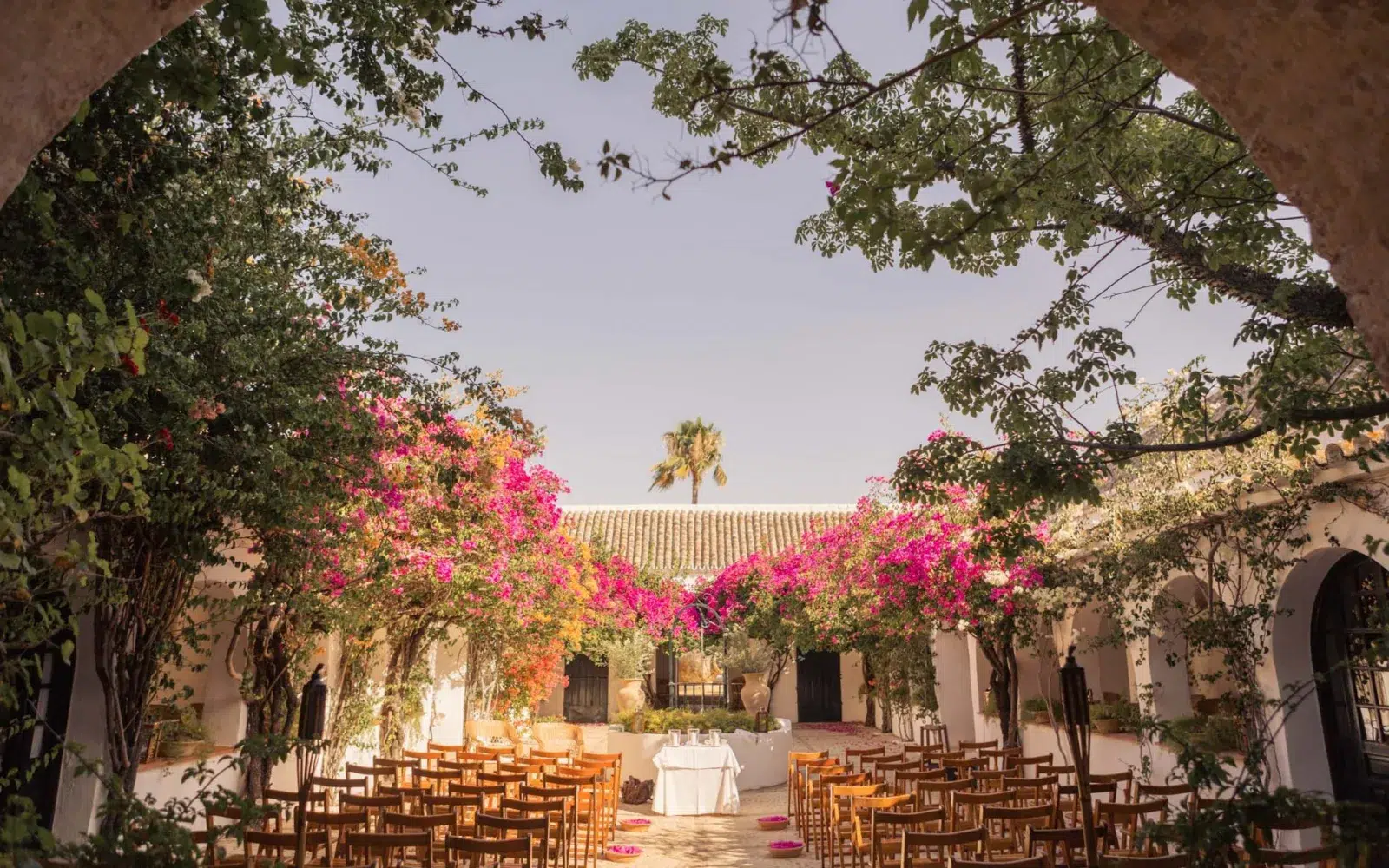
Andalusia, taking in Seville, Granada, and Ronda, is rich in history, dramatic scenery, and old world architecture, ideal for couples seeking a sense of place and tradition.

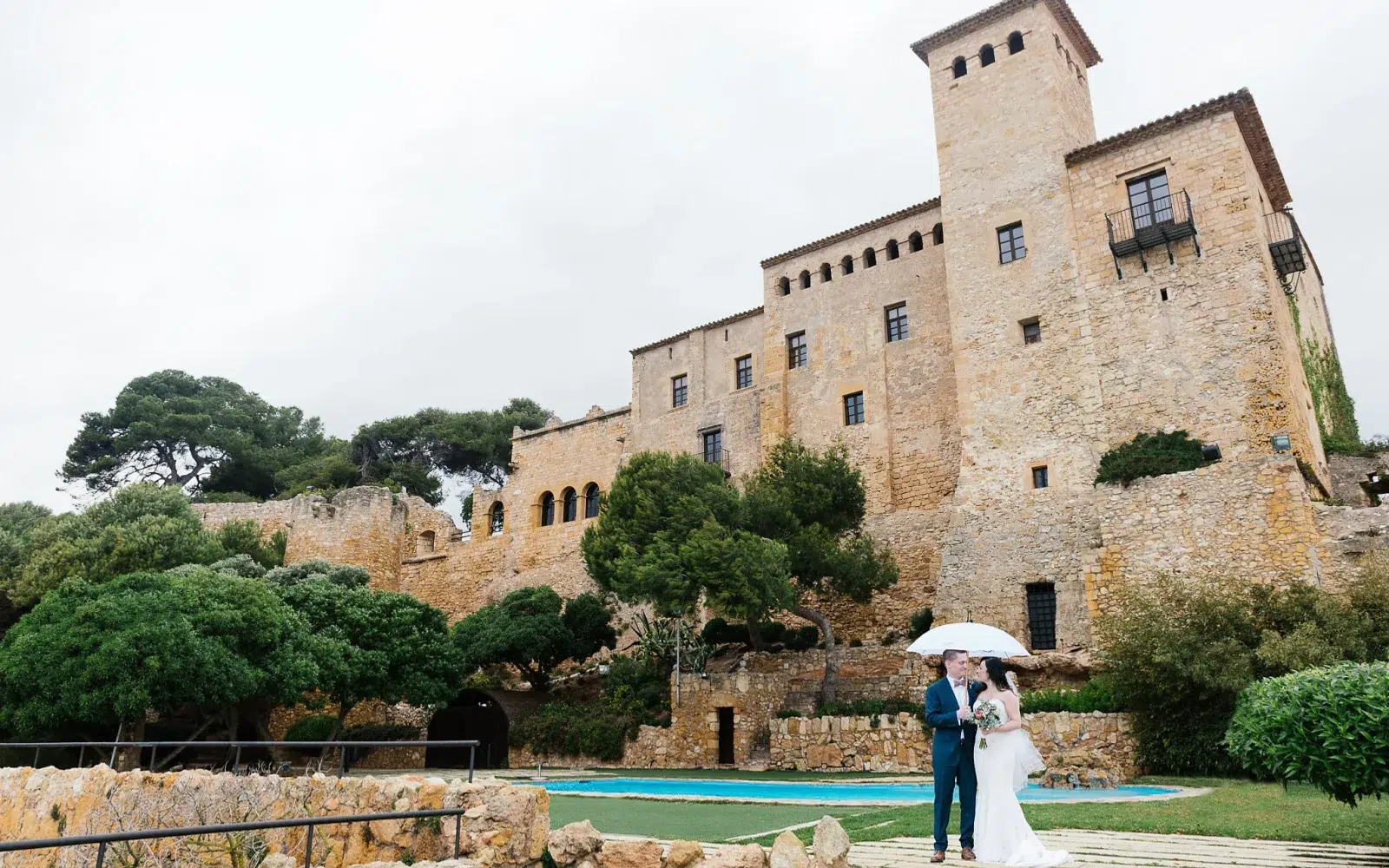
Barcelona and the Costa Brava combine cosmopolitan sophistication with a rugged and beautiful coastline, suiting couples who want both city style and coastal views.

Finally, Spain’s inland villages offer intimate settings full of regional character, perfect for smaller celebrations that feel personal and unhurried.

How Much a Spanish Wedding Costs

A wedding in Spain can prove significantly more affordable than a comparable celebration in the United Kingdom, although the final figure depends entirely on your choices. Savings frequently come from high quality catering and venue pricing, which often deliver more for your budget than equivalent options at home.

As a helpful benchmark, a full celebration spread across three days, including the wedding venue, typically costs between 25,000 and 35,000 euros. A three day format usually allows for a welcome gathering on the first day, the main wedding celebration on the second, and a relaxed farewell such as a brunch or beach day on the third. This figure generally covers the venue, catering, and the core suppliers, giving couples a realistic starting point from which to plan. Where your own budget lands within or beyond this range will depend on your guest numbers, choice of region, and the level of styling and extras you select.

At the same time, certain costs can surprise couples who have not planned for them, including sworn translations, travel and accommodation logistics, and supplier deposits. The most sensible approach is to build a detailed budget early, hold a contingency for unexpected items, and work with an experienced local planner who can guide you around the common pitfalls they have encountered many times before.

spanish-wedding
spanish-wedding

Common Questions About Spanish Weddings

Can foreigners legally get married in Spain? Yes. Foreign couples can marry in Spain, whether one partner is Spanish or both are foreign nationals. The main consideration is the residency requirement for civil ceremonies, which leads most visiting couples to complete the legal marriage at home and hold a symbolic ceremony in Spain.

Do I need to live in Spain to get married there? For a civil ceremony, one partner generally needs to have been resident for around two years. A symbolic ceremony has no residency requirement, which is why it is the most popular option for international couples.

How far in advance should I start planning a 2027 wedding? Twelve to eighteen months is ideal. Beginning in 2026 for a 2027 wedding gives you the best choice of venues, suppliers, and dates.

When is the best time of year to marry in Spain? Late spring, covering May and June, and early autumn, covering September and October, offer the most comfortable temperatures and beautiful conditions.

Is a wedding in Spain cheaper than in the UK? It can be, depending on your choices. Catering and venue costs often deliver better value, though you should budget for translations, travel, and supplier deposits.

Couples who begin planning early and work with experienced local professionals are consistently the best placed for a smooth and joyful celebration. If 2027 is calling, the most useful first steps are to choose your preferred season, identify a region that suits your vision, and put an initial plan in place well ahead of time.

To begin planning a 2027 wedding or vow renewal in Spain, please [get in touch] to arrange an initial consultation.