Discover your perfect wedding venue in Spain

Wedding Venues Barcelona
Where Love Meets Style. Barcelona’s Best Wedding Venues.
Very few couples actually marry in central Barcelona. The city has magnificent landmark venues, but they come with tight curfews, limited outdoor space and awkward logistics for a full wedding day. What most couples do instead is use Barcelona as the arrival point and marry within an hour of it. Here is how the areas differ.
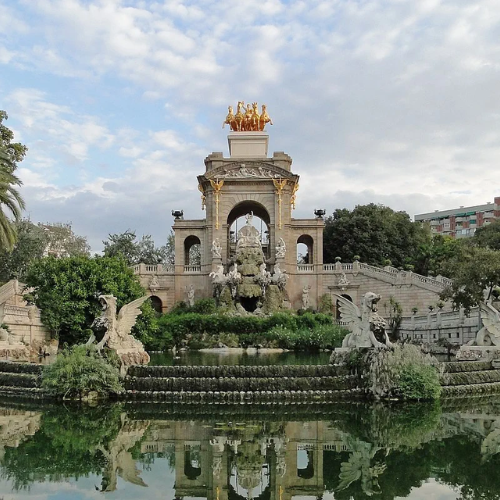
The city itself. Rooftop terraces, design hotels and architectural landmarks. Unbeatable for guests, since everything is walkable and there is plenty to do either side of the wedding. The trade-off is noise restrictions: most city venues stop outdoor music well before midnight, so if you want the party running until three, plan for a venue that can move indoors.
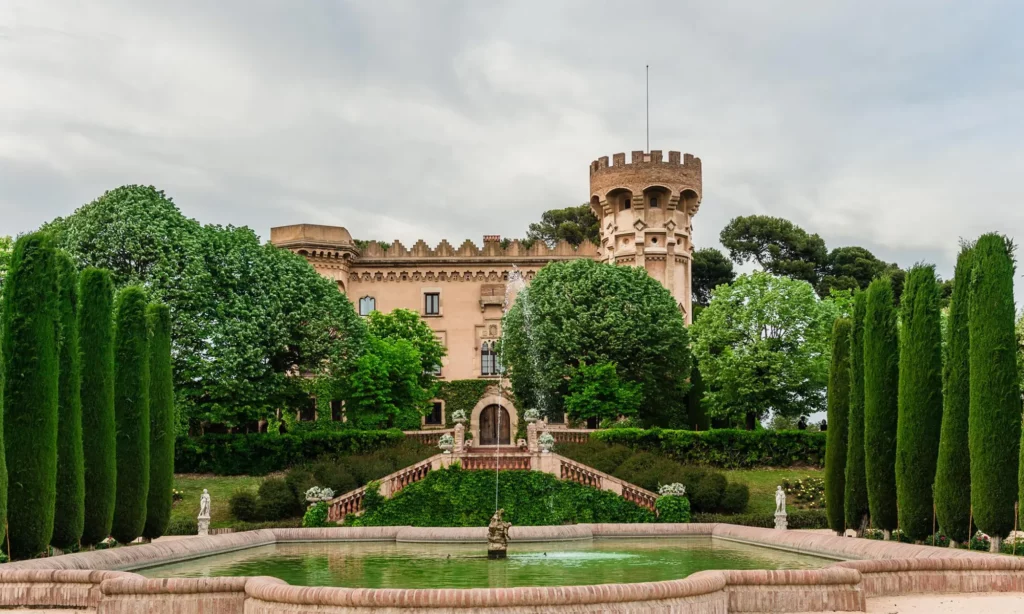
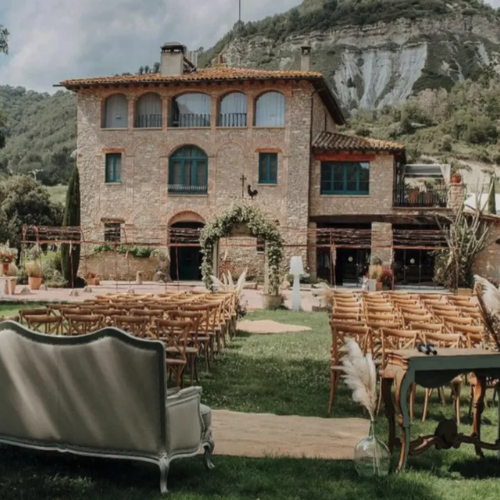
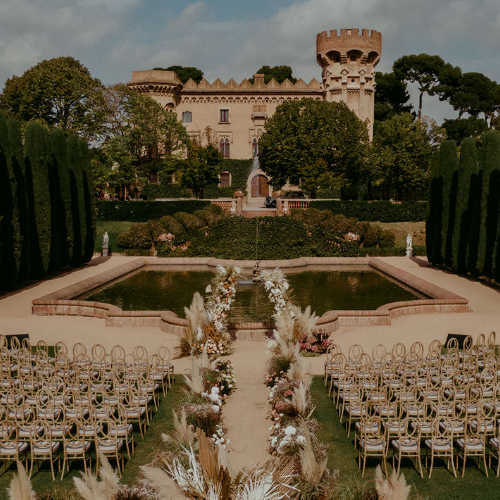
El Vallès and Sant Cugat. Twenty five to forty minutes out, where you find the great Catalan masies such as Masia Egara. Countryside privacy without a long transfer, which makes it the most practical choice for a lot of international couples.
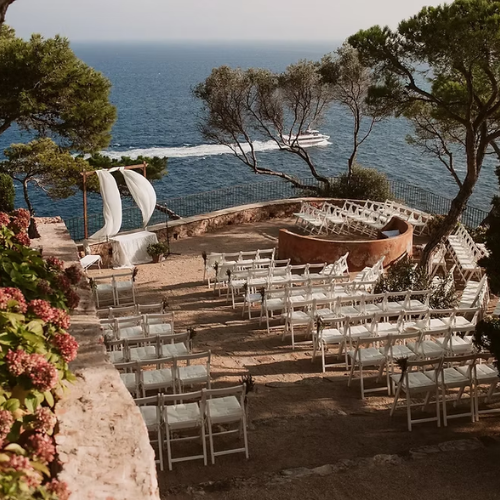
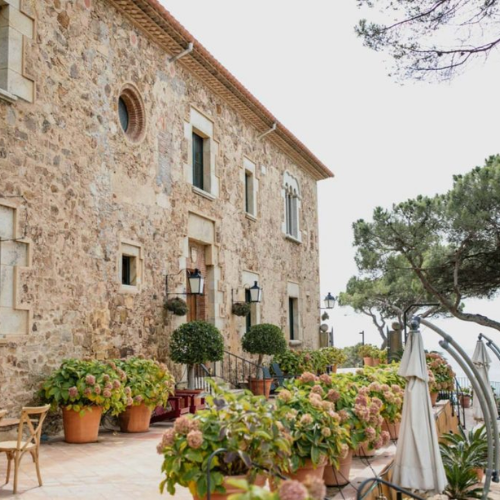
Sitges and the Garraf coast. Forty five minutes south. Clifftop estates and coastal villas with proper sea views, and Sitges itself is a lively, welcoming town that gives guests somewhere to stay and something to do.
The Penedès. An hour inland, and this is cava country rather than simply wine country. The distinction matters, because it means working wineries with cellars, vine rows and genuinely excellent food, and it is the reason a Penedès wedding feels different from a vineyard wedding anywhere else in Spain.
The Costa Brava. Ninety minutes north, and the most beautiful of the lot, with pine forests running down to rocky coves. Worth the drive, but be realistic about coach transfers for a large guest list.
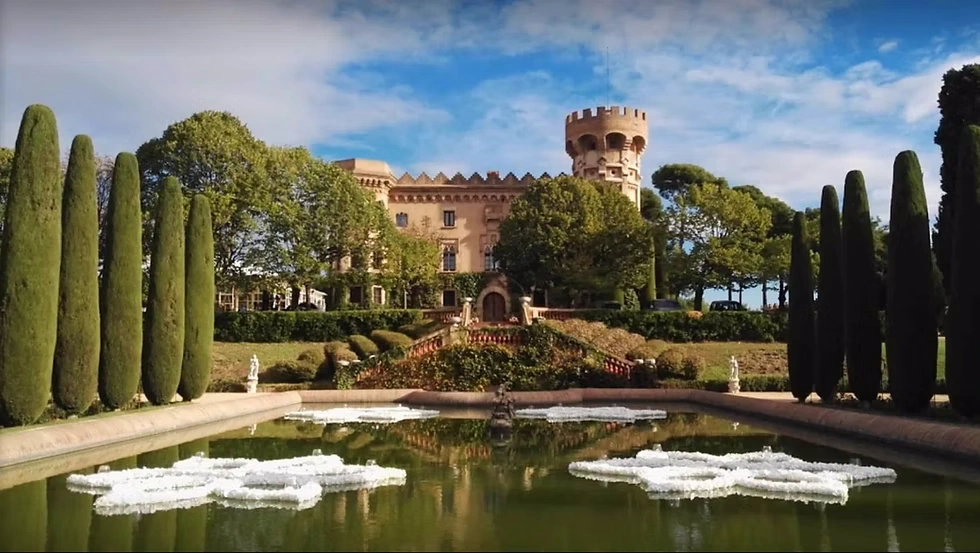

Luxury Wedding Venues in Barcelona
Peruse our hand-picked wedding venues throughout Barcelona. Each chosen for its unique charm, stunning setting, and ability to turn your celebration into something truly unforgettable.
Getting your guest to Barcelona
Barcelona El Prat is one of the best connected airports in Europe, roughly fifteen kilometres from the city, with direct flights from most UK and European cities year round and typical flight times of two and a quarter to two and a half hours from the UK. For an international guest list, this is a genuine advantage over almost anywhere else in Spain.
A few practical points. Girona airport is closer for Costa Brava venues, though it has far fewer routes, so check before assuming guests can use it. Barcelona traffic is significant, so allow more time than the map suggests for a Saturday afternoon transfer. And if your venue is out in the Penedès or the Vallès, arrange coaches rather than assuming guests will hire cars, since Catalan country roads after a long dinner are nobody’s idea of a good time.
Weather and Timing in Catalonia
Barcelona’s climate is not Andalucía‘s, and it catches people out. It is milder, more humid, and it rains more.
May, June and September are the strongest months, with warm dry days and comfortable evenings. September is a particular favourite locally, since the sea is at its warmest and the light is beautiful.
July and August are hot and humid rather than the dry heat of the south. Coastal venues manage this well; inland is stickier. It is also peak tourist season, so accommodation is expensive and the city is busy.
October and April are genuinely viable and better value, though October carries a real chance of rain, which is why a venue with a proper indoor option matters more here than it does in the south.
Autumn rain is worth planning for. Catalonia gets sudden, heavy autumn downpours that pass quickly but arrive without much warning. Any venue you consider for October should have an indoor space you would actually be happy celebrating in, not a marquee as an afterthought.
Looking for a Wedding Venue in Barcelona? Contact Us
We expertly source stunning fincas, villas, and beachfront locations, then coordinate every detail, from catering and décor to entertainment and transportation. Let us turn your vision into a flawless celebration, so you can relax and enjoy each magical moment. Reach out today, and our dedicated team will be in touch within 24 hours to start planning your perfect day.
Weddings Barcelona
Discover your perfect wedding venue in Barcelona
With expert guidance, arranging your Barcelona wedding becomes an effortless joy. Consider these key recommendations to ensure everything runs smoothly:
Ideal Season: Schedule your celebration between April and October to enjoy warm, sunshine-filled days and vibrant, flowering surroundings.
Embrace Local Talent: Partner with florists, photographers and musicians, each steeped in regional traditions, to lend genuine character to your event.
Complete Legal Formalities: Gather and submit all required paperwork well ahead of time; specialists such as Wedding Venues ES are on hand to steer you through every administrative step.
Contact Us
Make Your Day Special with Us
Start Your Wedding Journey and discover our exceptional services, designed to make your day extraordinary and unforgettable. We look forward to creating wonderful memories with you.
Our Services

Venue Sourcing
Venue Sourcing & Tours | We expertly source and tour secure idyllic wedding venues, from luxurious beachfront villas to rustic countryside fincas, perfectly tailored to your unique vision and style. See our hand selected Wedding Venues

Wedding Planning
Wedding Planners | Our professional wedding planners meticulously handle every detail, from budgeting and guest logistics to design aesthetics, crafting personalised, stress-free celebrations. Also see our: Wedding Packages

On-Day Coordination
On-Day Wedding Coordination | Our dedicated on-the-day wedding coordinators ensure your celebration flows seamlessly by managing timelines, vendors, and guest arrangements, so you can enjoy your special day.

Vendor Sourcing
Vendor Sourcing | Leveraging our trusted network of premium local suppliers, from top caterers and talented DJs to photographers and florists, we seamlessly manage all vendor interactions.
Barcelona Weddings
To ensure you get the most out of your wedding experience in Barcelona, we highly recommend exploring our comprehensive FAQs.
We’ve compiled essential information, expert tips, and practical guidance to help you seamlessly plan every detail, from breathtaking venues and Catalan traditions to catering, entertainment, and legal requirements.
Our Frequently Asked Questions are designed to answer your most pressing questions, allowing you to approach your special day in Barcelona with confidence, clarity, and peace of mind.

Contact Us For More Information
Common Questions
What wedding venue styles are there in Barcelona?
Five broad types, and the useful thing about Barcelona is that they sit in genuinely different landscapes within an hour of the city.
Masies. The Catalan farmhouse, and the region’s signature venue. Sixteenth and seventeenth-century stone buildings built around courtyards, usually with a barn or cellar that converts beautifully for dinner and dancing. Most sit in El Vallès, twenty to forty minutes inland, which is where the majority of Barcelona weddings actually happen. Space, privacy, and far more relaxed noise curfews than anything in the city.
Cava estates. The Penedès, about forty-five minutes southwest, is where Spain’s cava is made. Wineries here range from working bodegas with barrel rooms to modernist estates with vineyard views. Good for couples who want the food and wine to be a real part of the day rather than a backdrop.
Coastal venues. Two quite different coasts. The Costa Brava, an hour or so north, is pine forest running down to rocky coves and the most photogenic coastline in mainland Spain. Sitges, forty minutes south, is a whitewashed seaside town with beach clubs and a more relaxed, sociable feel.
City venues. Rooftop terraces overlooking the Gothic Quarter, restored industrial spaces in Poblenou, modernist buildings and private palaces in the Eixample. These suit a shorter, more urban wedding where guests walk between hotel, ceremony and dinner, and the city does the entertaining. Expect tighter curfews.
Castles and historic estates. Scattered through the Empordà and inland Girona. Castell de Sant Marçal is the one we work with, in the hills at Montseny, about forty-five minutes from the city.
Which suits you comes down to two questions more than any other: how much control do you want over catering and suppliers, and does the party running past midnight matter? City venues generally answer no to both. A masia in El Vallès answers yes to both.
What does a wedding in Barcelona cost?
For 80 to 100 guests, most weddings come in between €30,000 and €50,000 all in, once venue, catering, drinks, flowers, styling, music, photography and staffing are included.
Barcelona sits above the Costa del Sol on price, and city venues sit above rural ones. A masia in El Vallès or an estate in the Penedès will generally cost less than an equivalent space in the city, with more room and later curfews into the bargain.
Roughly, venue hire runs from around €4,000 for a smaller masia to €15,000 or more for a city palace or a prime Costa Brava property on a Saturday between May and September. Catering is the largest line after the venue, typically €90 to €160 per person depending on the menu and drinks package. Catalonia’s food scene is a genuine draw, and couples here tend to spend more on it than they would further south.
Three things that catch people out.
IVA at 21%. Some venues quote inclusive, some exclusive, and nobody volunteers which. On a €10,000 venue fee that’s €2,100, which is enough to reorder your shortlist. Ask every time.
Exclusive catering. Many Catalan venues work with a single caterer or a short approved list, so the per-head cost isn’t something you can shop around on. That isn’t necessarily bad, since the food is often excellent, but it means the venue fee tells you less than half the story.
Transport. Most Barcelona weddings happen outside the city, and guests staying centrally will need coaches both ways. It’s a real line, not a rounding error, and taxis don’t come out to El Vallès at 2am.
How to bring it down. Marry midweek, where venues have the most room to negotiate. Go inland rather than coastal. Avoid July, August and September if you can. And be realistic about guest numbers, since catering, drinks and staffing scale directly with heads while venue hire, photography and music largely don’t.
How late can the party run at a Barcelona wedding venue?
It depends entirely on the venue. City venues face strict noise rules and usually stop outdoor music well before midnight, though many move the party indoors afterwards. Rural masias and coastal estates are generally far more relaxed. If a late night matters to you, ask about the curfew before anything else, as it is the single biggest difference between city and country here.
Which airports can our guests use?
Barcelona El Prat is the main one and where the vast majority of guests will land. It’s the second busiest airport in Spain, with direct flights from every UK and Irish city of any size and from across Europe. It sits 20 minutes from the city centre by car, and there’s a train and metro link if guests would rather not take a taxi.
From El Prat, by car: 30 to 45 minutes to the masies of El Vallès, about 45 minutes to the Penedès, 30 minutes to Sitges, and 1 hour 15 to 1 hour 45 up to the Costa Brava.
Girona–Costa Brava is worth considering if you’re marrying north of the city. It’s 1 hour 15 from Barcelona but only 30 to 45 minutes from most Costa Brava and Empordà venues, so it can save guests a long transfer. Fewer routes than El Prat, mostly budget carriers, but for a Costa Brava wedding it’s often the better arrival.
Reus is 1 hour 20 from Barcelona and rarely the right choice unless someone finds a convenient flight.
Guests coming from elsewhere in Spain may prefer the train. The AVE runs from Madrid to Barcelona Sants in around 2 hours 30, city centre to city centre, which beats flying once you account for airport time.
What's the weather like, and when should we marry in Barcelona?
May, June and September are the best months, and if you can only pick one, take September.
Catalonia has a different rhythm from the south. It’s greener, a touch cooler, and wetter than Andalucía, with rainfall concentrated in spring and autumn rather than winter. That changes the calculation more than couples expect.
Late spring, May into mid-June, runs 21 to 26°C by day and holds around 15 to 18°C into the evening. Comfortable for an outdoor ceremony and dinner outside without heaters. May can catch a shower, so an outdoor venue needs a proper wet-weather plan.
July and August are hot and humid, typically 28 to 31°C with high humidity off the sea, which makes it feel warmer than the number suggests. The city empties in August as locals head to the coast, and while that means quieter streets, it also means some restaurants and suppliers close for the month. If you marry then, start the ceremony around 7pm.
September is the pick. Still warm at 25 to 28°C, the sea is at its warmest, the crowds have gone, and the light has softened. The one caveat is that early autumn is when Catalonia gets its heaviest rain, usually short intense downpours rather than all-day drizzle. Worth knowing rather than worrying about.
October is beautiful by day but the light goes early, with sunset around 7.20pm at the start of the month and 6.20pm by the end. Evenings drop to 13 to 16°C.
Winter is genuinely cold by Spanish standards, 13 to 15°C by day and down to 5 to 8°C at night, so an outdoor evening is off the table. It works as an afternoon ceremony with dinner indoors, and city venues suit it better than rural ones.
Two things specific to Barcelona. Rain here arrives fast and heavy rather than gradually, so a covered space that genuinely holds your full guest list matters more than it does further south. And La Mercè, the city’s main festival in late September, fills accommodation across Barcelona, so check your date against it if guests are staying centrally.