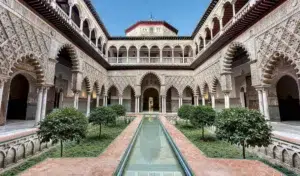
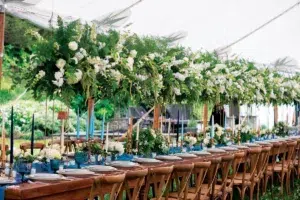
Discover your perfect wedding venue in Spain

Wedding Venues Ronda
Where Love Meets Majesty. Ronda’s Premier Wedding Venus
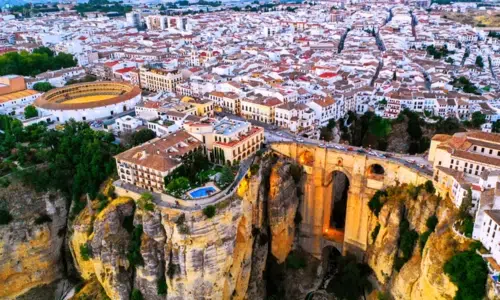
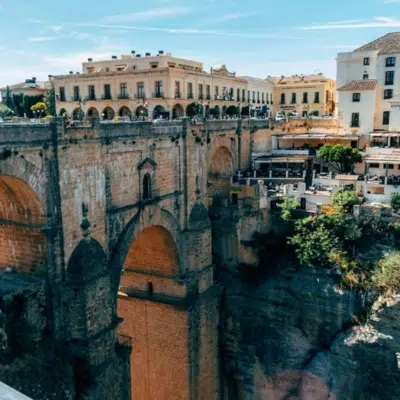
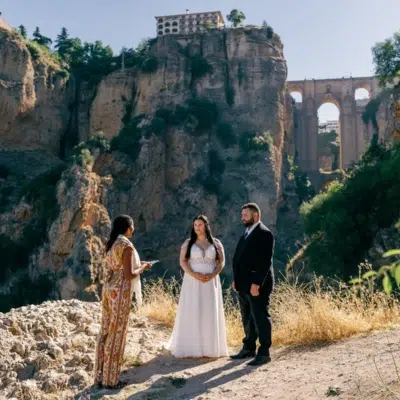
Ronda sits an hour and a half inland from Marbella, on a plateau split by a 100-metre gorge with a bridge across it. It’s the most dramatic setting in Andalucía and probably in Spain, and couples who choose it have usually seen a photograph and known immediately.
What’s less obvious is that it’s a working town rather than a wedding destination. Ronda has 35,000 residents, a Monday market, a bullring that’s been there since 1785, and a food scene built for locals rather than visitors. Your guests will feel like they’ve been somewhere, which is not always true of the coast.
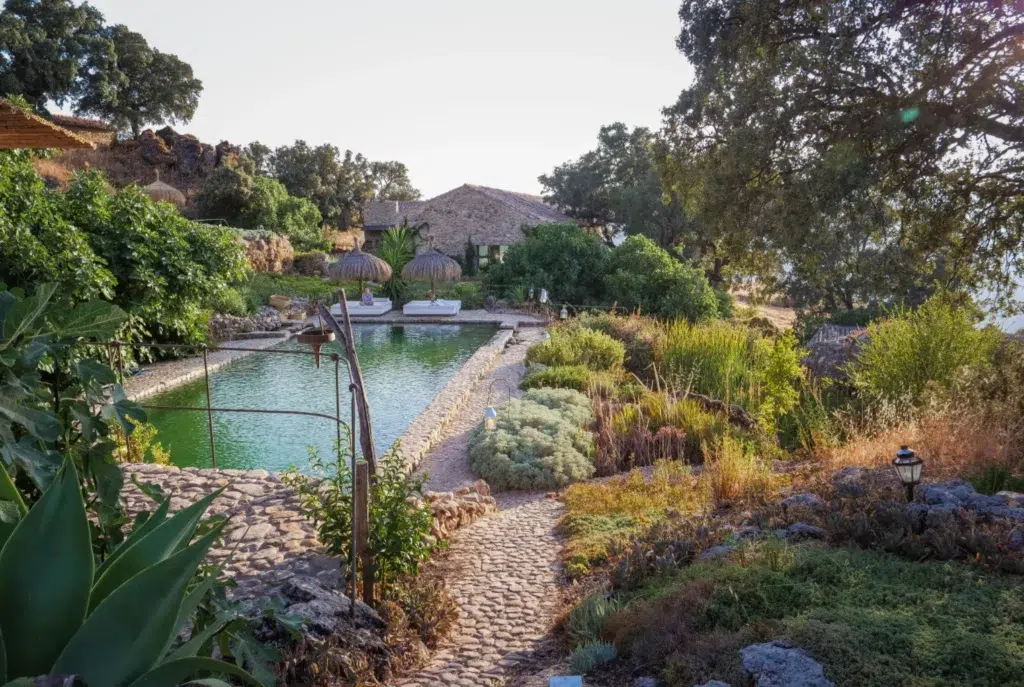
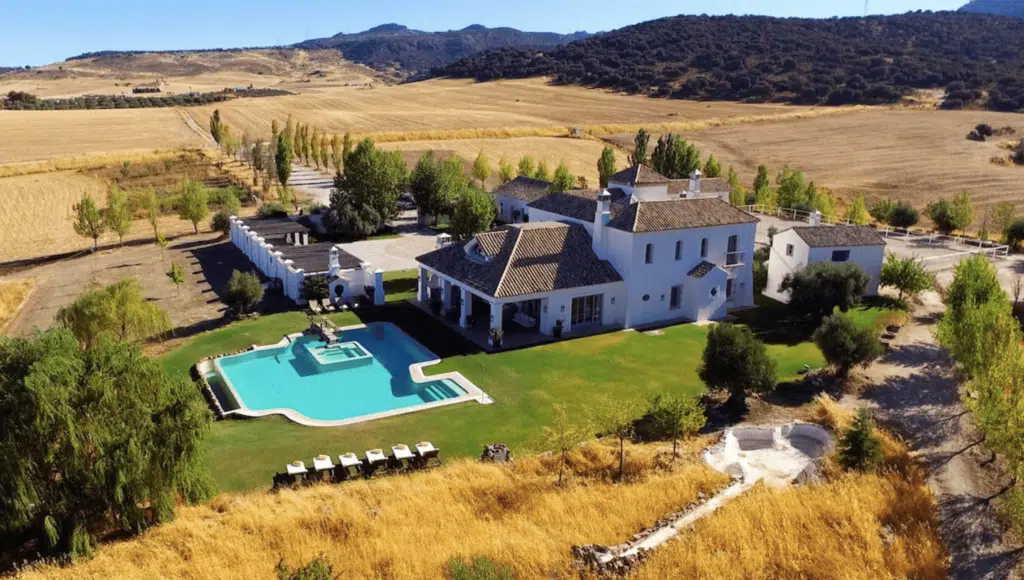
The venues fall into two groups. In and around the town there are historic properties, palacios and hotels with terraces looking over the gorge or across the plain. Out in the countryside, and this is where most Ronda weddings happen, there are fincas and estates among vineyards and cork oaks with the Sierra de Grazalema behind them. Finca La Donaira and Ronda Mountain Resort are the two we work with, both genuinely rural and both a world away from a beach club.
Luxury Wedding Venues in Ronda
Why Couples Choose Ronda
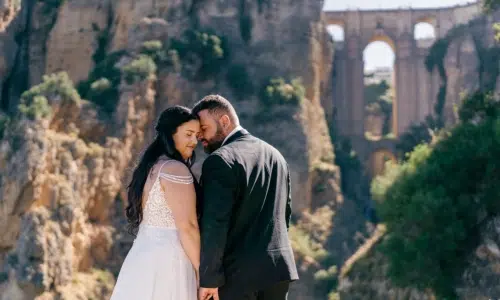
Almost everyone who marries here does so for the same reason: they want somewhere that looks like nowhere else. The gorge, the bridge, the plain stretching out towards the Sierra de Grazalema. It’s the one part of Andalucía where the landscape does the work and no amount of styling could improve on it.
The second reason emerges later, usually once people have visited. Ronda gives a wedding weekend somewhere to be. Guests can spend a morning walking the old town, an afternoon at a bodega, and an evening eating properly in a town where the restaurants aren’t built for tourists. Compare that with a coastal resort where the entertainment is the beach and the next wedding is on the terrace below.
The third is cost. Inland Andalucía is meaningfully cheaper than Marbella or Sotogrande for comparable quality, and Ronda is no exception. A finca here with 200 guests and no curfew will cost less than a beach club on the Golden Mile with half the space and a midnight cut-off.
Wine, if it matters to you. Ronda has a small but serious wine region, with around twenty bodegas working at altitude on limestone soils. Several will host tastings for a group, and a few can host a welcome dinner. It’s an unusual and genuinely local thing to build a weekend around, and it’s on your doorstep rather than an hour away.
What Ronda isn’t. It’s not the coast. There’s no beach, no marina, and if your guest list is expecting a poolside holiday with a wedding attached, this isn’t the place. It also has fewer venues than the Costa del Sol, so if you have a very specific vision, you may find the choice narrower than you’d like. We’d rather say that now than after you’ve fallen for it.
Why get married in Ronda?
Can we marry legally here? Not realistically, if you’re not resident. A Spanish civil wedding goes through the Registro Civil, which needs at least one of you registered on the local padrón. Most international couples marry legally at home first, a ten-minute registry appointment with two witnesses, then hold the ceremony they’ve actually been planning here.
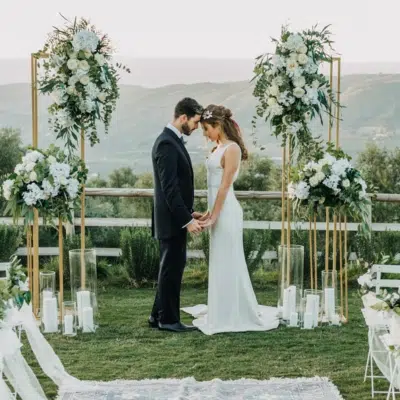
That’s an advantage, not a compromise. A symbolic ceremony with a celebrant means you can marry anywhere, at any hour, in any language, with anyone you like conducting it. Clifftop at eight in the evening, in two languages, with your brother officiating. A civil ceremony would allow none of it.
The exception is a Catholic wedding, legally recognised without the residency problem. Ronda has beautiful churches, including Santa María la Mayor in the old town. Both of you generally need to be baptised and confirmed, your home parish handles the paperwork, and the file goes to the Diocese of Málaga. Allow a year.
Timing. Sunset is why people come here, so work backwards from it: around 9.30pm in June, 8.15pm in September, 6.20pm in late October. A ceremony ninety minutes before gives you the light and takes you into dinner as it cools.
One local warning. Ronda’s feria and the Feria Goyesca fall in early September and fill the town completely. Check your date before committing.
Discover your perfect wedding venue in Ronda
Timing. May, June and September. Ronda sits at 750 metres, so it runs cooler than the coast: welcome in August, less so in April and October when evenings drop below what guests will have packed for. Winter is genuinely cold, so plan an afternoon ceremony with dinner indoors.
Suppliers. Ronda’s own pool is small, so most of what you’ll need travels in from Marbella or Málaga. That means factoring in travel time and sometimes accommodation for anyone working a late finish. We price that in from the start rather than letting it appear later.
The legal side. Decide before you book a date. A Spanish civil wedding needs one of you on the local padrón, which non-residents can’t easily satisfy. Most couples marry legally at home, then hold the real ceremony here with a celebrant.
Our services include:


Contact us for more information




Wedding Venues Ronda
Discover the perfect backdrop for your special day with Wedding Venues ES, your trusted partner in Ronda
Worth being straight with you: this is a compromise, and whether it works depends on what you’re actually after.
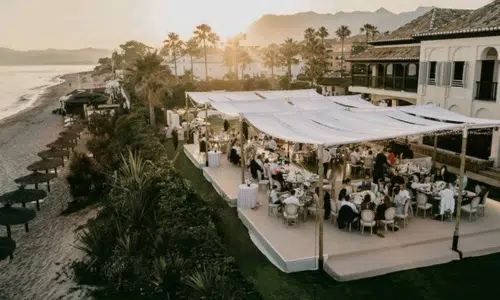
Ronda is an hour and a half from the coast, not one. If you marry at a beach club near Marbella or Estepona, you’re having a coastal wedding with a Ronda address, and your guests will spend three hours in a coach. That’s fine if the beach is the point and you simply liked the idea of Ronda. It’s a poor trade if you came here for the gorge and the countryside.
When it does make sense. If half your guest list wants a beach and the other half wants the mountains, splitting the weekend across both works well. A welcome dinner on the coast, then the wedding in Ronda. Or the reverse. Guests stay coastal where accommodation is plentiful and cheap, and come inland for the day itself.
If the beach is what you want, we’d suggest looking at Marbella or Estepona properly rather than treating it as a Ronda add-on. Nikki Beach and Bono Beach are the two beach clubs we work with, both in Marbella, and our Marbella and Estepona pages cover the coast in full.
And if it’s the setting you’re after rather than the sand, Ronda’s own venues will serve you better. A finca looking out over the Serranía at sunset is more distinctive than any beach club on the Costa del Sol, and there are a hundred of those.
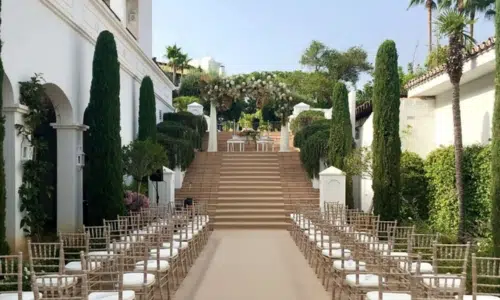
A hotel is the simplest route to a wedding here, and in Ronda it solves a specific problem. Accommodation in the town is limited compared with the coast, so a venue where your guests can also sleep removes the biggest logistical headache of marrying inland.
What you’re buying. Ceremony, dinner, party and beds on one contract, run by a team who do this regularly. No coaches at midnight on a mountain road, no coordinating a caterer from Málaga with a venue in the Serranía. For couples organising from another country, that’s worth a great deal.
The Ronda-specific advantages. Several of the town’s hotels sit directly above the gorge, so the view your guests came for is simply there, from the terrace, at dinner, without anyone travelling to it. The old town is walkable, so people can find their own way to a restaurant the night before and back afterwards. And the properties here are historic buildings rather than resort blocks, which suits the setting.
The trade-offs. Ronda’s hotels are smaller than coastal equivalents, so your guest count may be the constraint rather than your budget. Most work to eighty or a hundred rather than two hundred. You’ll generally use the hotel’s kitchen and preferred suppliers. And the town has a curfew culture typical of a residential centre, so a party running to three in the morning is more likely at a rural finca than a hotel in the old town.
Three things to pin down. Whether the quote includes IVA at 21%. Whether a minimum spend or minimum guest count applies. And what else is booked that day, since a hotel taking other guests during your wedding is a different proposition from exclusive use, and in a small property that difference is felt.
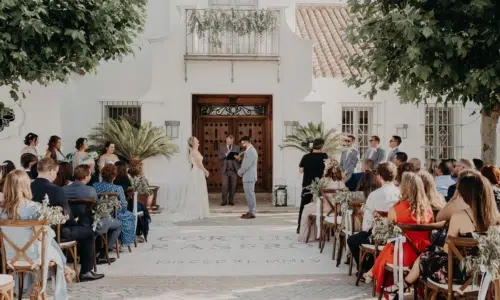
A villa gives you the whole place to yourselves, and around Ronda that means restored cortijos and country houses among olive groves and cork oaks, most of them ten to twenty minutes from the town.
Why it suits Ronda particularly. The two things that make a villa wedding work are space and no neighbours, and inland Andalucía has both in abundance. Curfews here are far more relaxed than anywhere on the coast, and several properties have no fixed end time at all. If the party running late genuinely matters to you, this is the format and this is the region.
It also turns the wedding into a weekend. With your closest family sleeping on site, a welcome dinner the night before and a slow lunch the day after happen almost by themselves, and those tend to be the parts people remember.
The thing to understand first: dry hire. Most villas rent you the space and nothing else. Catering, staff, furniture, glassware, bar and often the kitchen equipment come separately. A villa quoted at €5,000 can finish above a hotel at €9,000 once everything’s added. What you get in exchange is complete freedom over who delivers your day, which is worth a great deal to some couples and very little to others.
Three things to establish early. The noise curfew and how strictly it’s enforced, since it varies property to property even out here. The wet weather plan, because a villa seating 100 in the garden might shelter thirty. And the access road, which matters more in the Serranía than anywhere else we work, since a full-size coach cannot turn on some of these lanes, and that means minibuses and more trips.
One that’s specific to villas. Many don’t hold an alcohol licence, so you can’t simply buy the drink and serve it yourselves. A licensed mobile bar service solves it, but establish it rather than assuming.
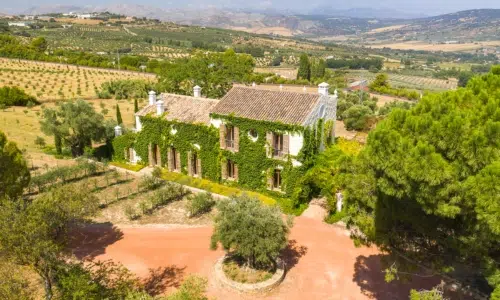
This is what Ronda does best, and if you’ve come this far inland it’s probably what you came for.
The Serranía de Ronda is high, green and largely empty: olive groves, cork oaks, vineyards and the mountains of the Sierra de Grazalema behind. Among it sit the cortijos, working farmhouses built around courtyards with thick walls that hold the cool through August. Most are ten to thirty minutes from the town.
Why they work. Space, first. Room to spread a wedding across separate areas rather than turning one space around between ceremony and dinner, which changes the shape of the day entirely. Then privacy, since there are no neighbours out here and curfews are genuinely relaxed rather than nominally so. And cost, because inland Andalucía is meaningfully cheaper than the coast for comparable quality.
Two we work with. Finca La Donaira and Ronda Mountain Resort, both properly rural and both with accommodation on site.
The trade-off is logistics, and it’s worth pricing honestly. Rural venues often need more than the hire fee suggests: lighting production, generator capacity, extended staffing, and coaches for guests both ways. That’s what turns a €3,000 venue into a larger number. And arrange the transport properly rather than assuming people will drive, because taxis don’t come out this far after midnight and mountain roads at 2am are not the moment to find out.
One thing specific to the Serranía. Check the access road before you commit. Several of the better estates are up narrow tracks where a full-size coach cannot turn, which means minibuses and more trips. It’s solvable but it needs knowing early.
Worth being straight with you: this isn’t Ronda’s strength, and we’d rather say so than sell you something that doesn’t exist.
Ronda has no championship golf. The Costa del Sol has more courses per square mile than almost anywhere in Europe, and Ronda has essentially none of them, because it sits at 750 metres in the mountains rather than on a coastal plain. If a meaningful part of your guest list plays and expects to play, they’ll be driving ninety minutes to the coast.
When it can still work. If golf is a nice-to-have rather than the reason for the weekend, the coast is close enough for a day out. Guests can play at Valderrama, La Reserva or the courses around Marbella and Mijas, then come back inland for the wedding. We’d arrange the transport and the tee times as part of the planning.
And on spa, several Ronda country estates and hotels do have proper facilities, so the wellness side is genuinely available even where the golf isn’t. A morning treatment before a ceremony does more for the day than most things you could spend the same money on.
If golf is the point of the weekend, be honest with yourselves and look at the coast instead. Our Sotogrande page covers the strongest golf destination in Spain, with Valderrama and La Reserva on the doorstep, and SO/ Sotogrande has golf, a large spa and rooms for a full guest list on one site. That’s the wedding you’re describing, and it’s an hour and forty from Ronda.
Contact Us
Make Your Day Special with Us
Start Your Wedding Journey and discover our exceptional services, designed to make your day extraordinary and unforgettable. We look forward to creating wonderful memories with you.
Our Services

Venue Sourcing
Venue Sourcing & Tours | We expertly source and tour secure idyllic Andalucia wedding venues, from luxurious beachfront villas to rustic countryside fincas, perfectly tailored to your unique vision and style. See our hand selected Wedding Venues

Wedding Planning
Wedding Planners | Our professional Andalucia wedding planners meticulously handle every detail, from budgeting and guest logistics to design aesthetics, crafting personalised, stress-free celebrations. Also see our: Wedding Packages

On-Day Coordination
On-Day Wedding Coordination | Our dedicated on-the-day wedding coordinators ensure your Andalucia celebration flows seamlessly by managing timelines, vendors, and guest arrangements, so you can enjoy your special day.

Vendor Sourcing
Vendor Sourcing & Management | Leveraging our trusted network of premium local suppliers, from top caterers and talented DJs to photographers and florists, we seamlessly manage all vendor interactions.
Ronda Weddings
To ensure you get the very best from your wedding in Ronda, we highly recommend browsing our comprehensive FAQs.
We’ve gathered essential information, insider tips and practical guidance to help you plan every detail, from cliff-edge venues and Andalusian traditions to catering, entertainment and civil-ceremony requirements.
Our Frequently Asked Question are designed to answer your most pressing questions, so you can approach your special day in Ronda with confidence, clarity and complete peace of mind.
Contact Us For More Information
Common Questions
Can we legally get married in Ronda?
Not as non-residents, no.
A Spanish civil wedding runs through the Registro Civil, and the registry that handles your case is the one covering the municipality where at least one of you is registered on the local padrón. If neither of you lives in Spain, there generally isn’t a registry with jurisdiction over your marriage. You’ll find references online to notary ceremonies and express services that appear to get around this. Practice varies enormously between municipalities and we wouldn’t advise building a plan on one without confirming it directly first.
What almost every couple does instead is marry legally at home before travelling, a ten-minute appointment with two witnesses, then hold the wedding they’ve actually been planning here with a celebrant. Nothing about the day changes. Nobody attending can tell.
The exception is a Catholic ceremony, legally recognised in Spain without the residency problem, though it needs baptism and confirmation certificates and a pre-nuptial file from your home parish. Allow a year.
Which airport should our guests use?
Málaga for almost everyone. It’s about 1 hour 40 by car, has direct flights from most UK and Irish cities and across Europe, and is the practical choice for a guest list arriving over several days.
Gibraltar is around 1 hour 45 and worth considering only if most of your guests are British and find a convenient flight. Seville is roughly 2 hours and occasionally cheaper. Jerez is about 1 hour 50 with limited routes.
The drive from Málaga is beautiful and slow, on mountain roads. Factor that in rather than treating it as motorway time, and arrange coaches for the wedding day itself.
What kinds of venue are there?
Three types.
Country estates and cortijos in the Serranía, ten to thirty minutes out, among olive groves and cork oaks. Space, privacy, relaxed curfews, lower prices than the coast. This is what most people come for.
Hotels in the town, several sitting directly above the gorge. Smaller than coastal equivalents, usually working to eighty or a hundred, but they solve accommodation in one booking.
Private villas, taken exclusively and mostly dry hire, which means total freedom and considerably more to organise.
No beach venues and no golf. Both are ninety minutes away on the coast.
How many guests can Ronda take?
Twenty to around 250. The rural estates handle the larger numbers; town hotels cap lower. Ask for the seated figure rather than the standing one, and ask separately what the covered space holds.
When should we marry?
May, June or September.
Ronda sits at 750 metres, so it runs several degrees cooler than the coast. That’s welcome in August and less so in April and October, when evenings drop below what your guests will have packed for. Winter is genuinely cold here, with frost possible, so it works as an afternoon ceremony with dinner indoors rather than anything outside.
One local thing to check: Ronda’s feria and the Feria Goyesca both fall in early September and fill the town entirely. Wonderful to witness, impossible to find a room during.
What is there for our guests to do?
Considerably more than you’d expect for a town of 35,000, and this is one of the reasons we like recommending it.
The gorge and the Puente Nuevo will occupy the first hour. The bullring is among the oldest in Spain and open to visit whether or not the sport interests you. La Casa del Rey Moro has a water mine cut down through the cliff to the river, which is a genuinely strange and memorable thing. The Arab baths are the best preserved in Spain.
Then there’s the wine. Ronda has around twenty bodegas working at altitude on limestone, and several will host a tasting for a group. It’s an unusual thing to build a welcome afternoon around and it’s on the doorstep.
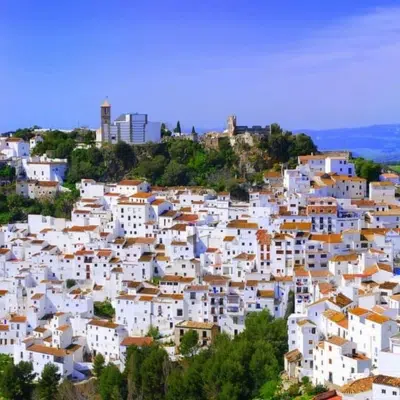
Further out, the Sierra de Grazalema for walking, and the white villages. Setenil de las Bodegas is twenty minutes away and worth the trip on its own: the houses are built underneath a rock overhang, so the street has a stone ceiling.
Your guests will come home having been somewhere, which isn’t always true of a coastal resort.
Is Ronda cheaper than the coast?
Generally, yes. Venue hire, catering and accommodation are all meaningfully below Marbella or Sotogrande for comparable quality. What you’ll spend more on is transport, since guests need moving between the town and a rural estate, both ways, and that’s a real line rather than a rounding error.