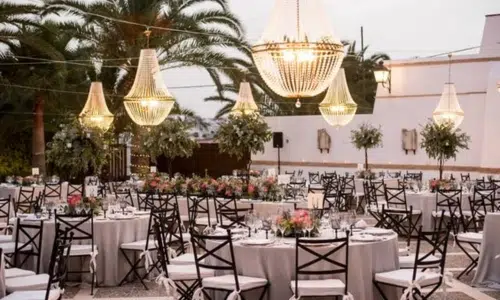
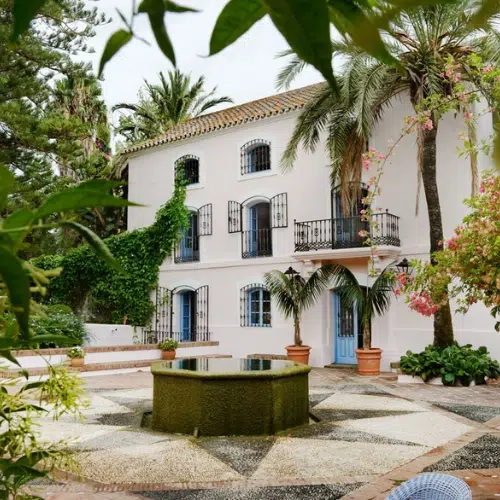
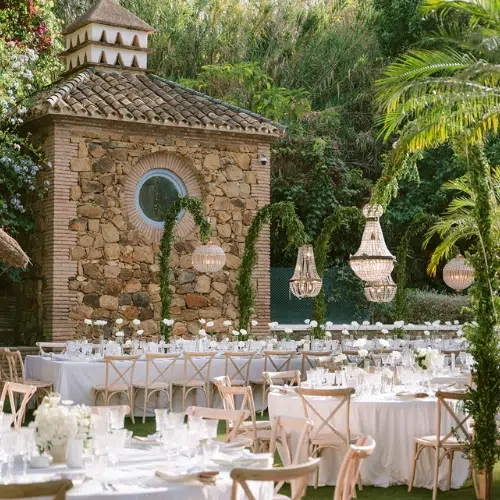
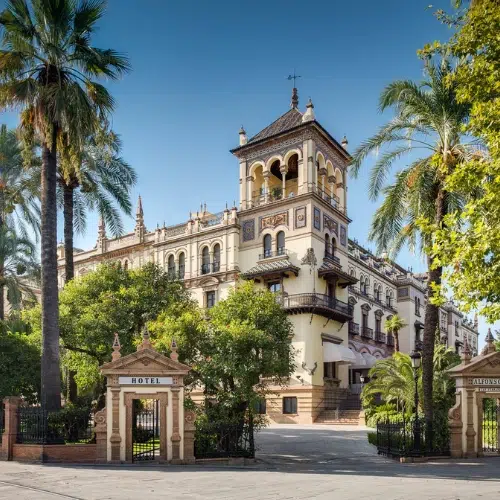
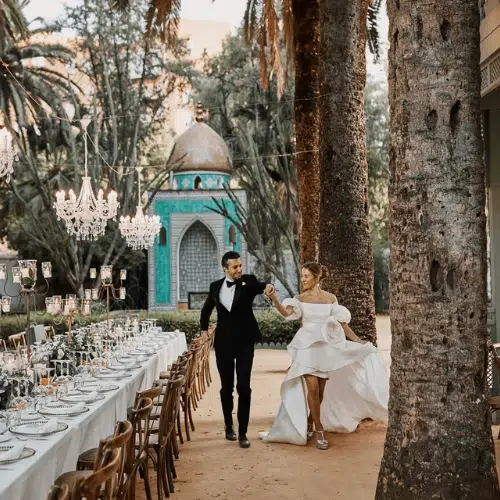
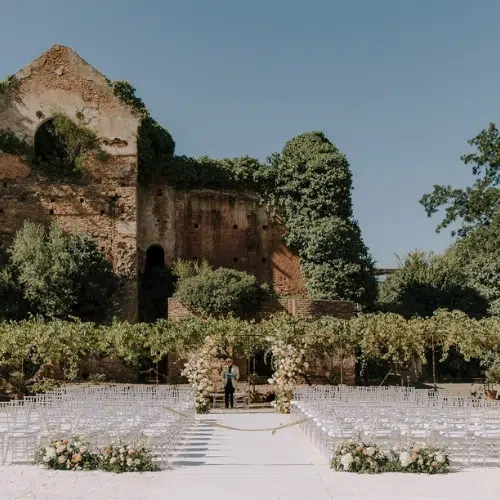
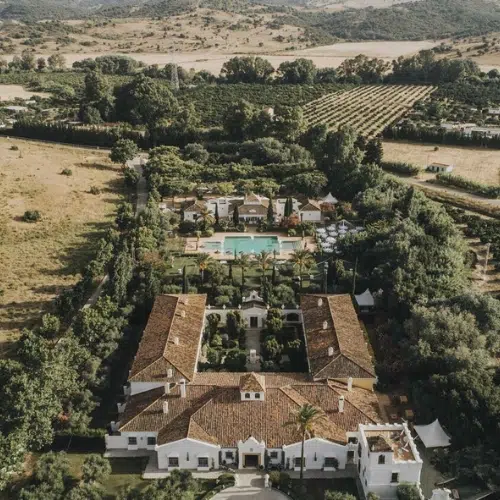
Andalucía covers a lot of ground, and the area you choose shapes your budget, your guests’ travel and the whole feel of the day. Here’s how the main wedding areas differ.
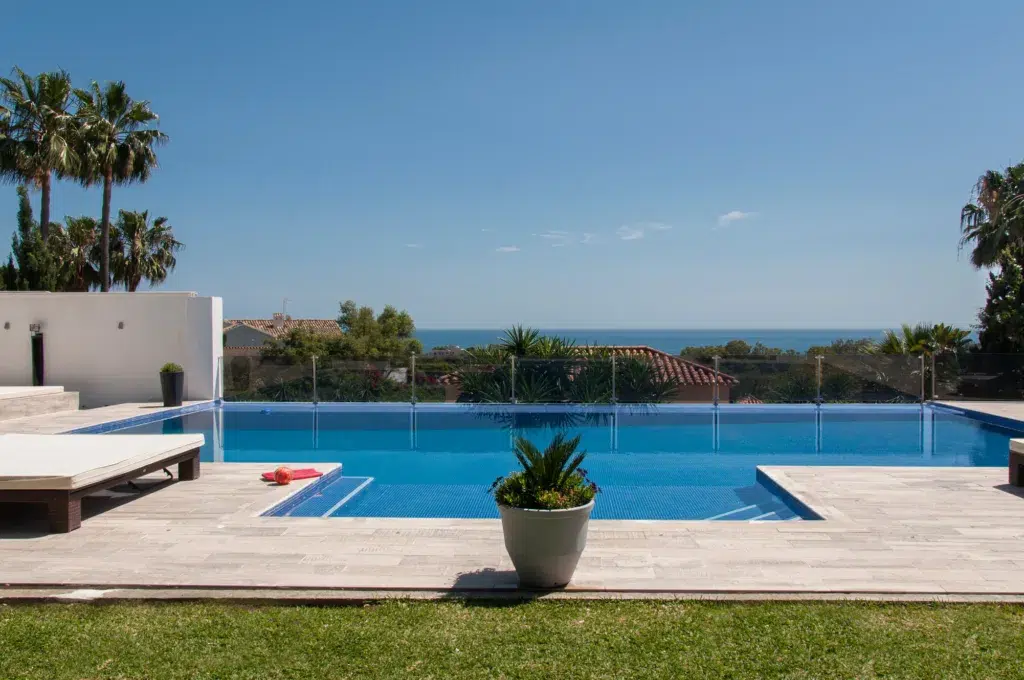
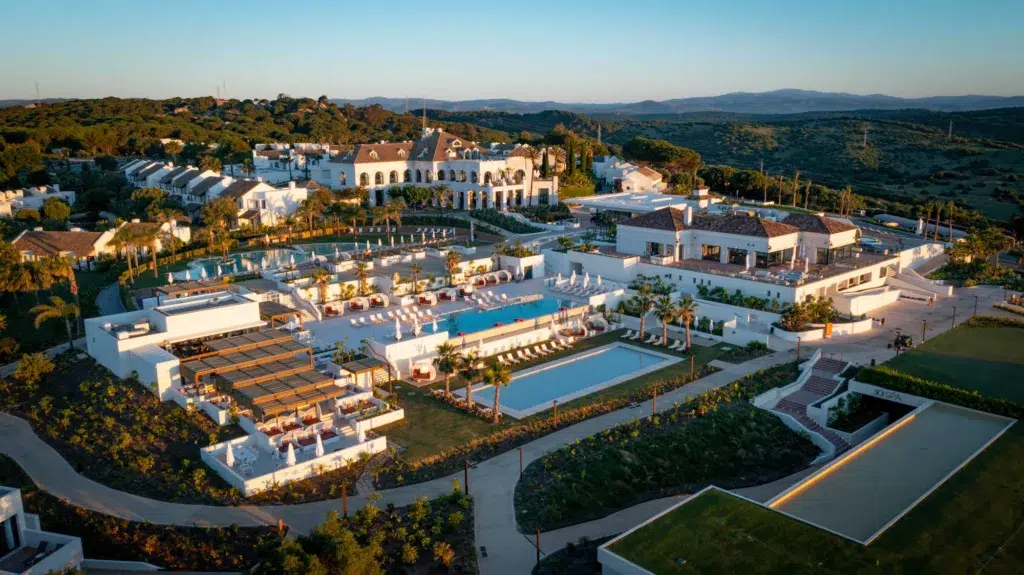
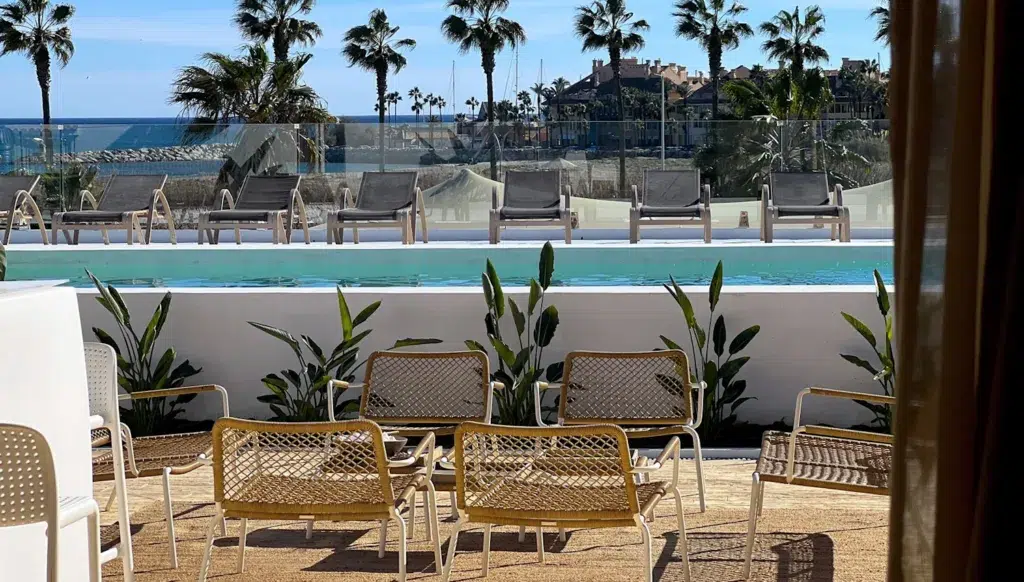
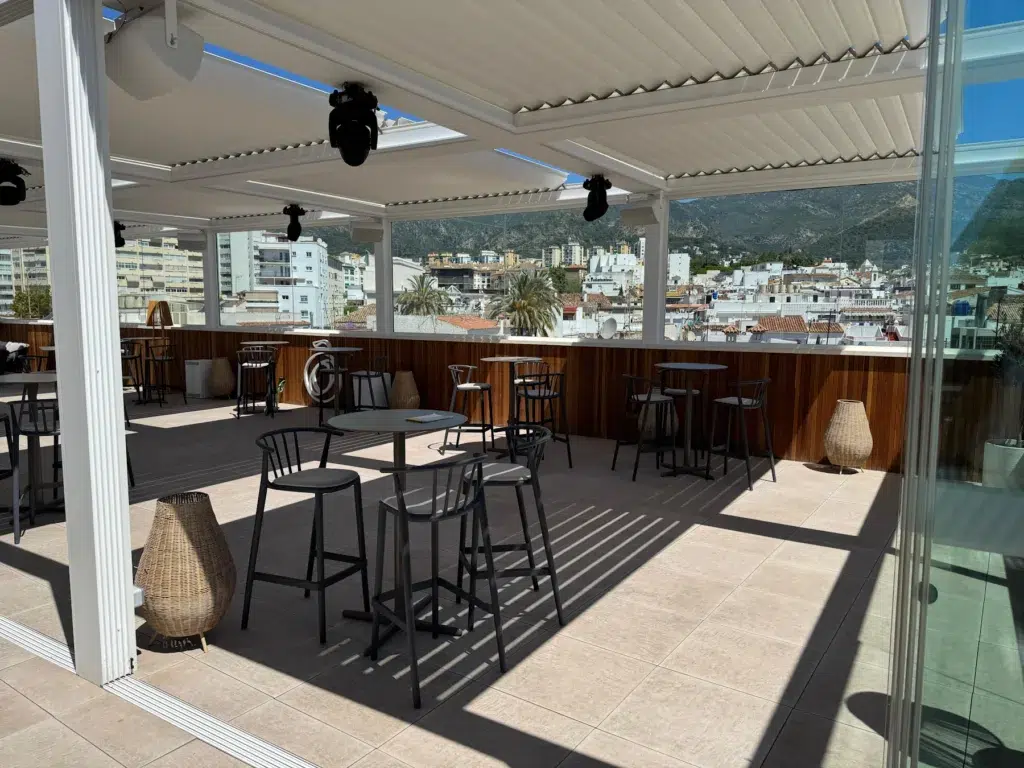
Marbella and the Costa del Sol — the busiest and best-connected. Beach clubs, luxury villas and five-star hotels, twenty minutes from Málaga airport in most cases. Prices sit at the top end, but so does the choice of suppliers, and guests can fly in easily from almost anywhere in Europe.
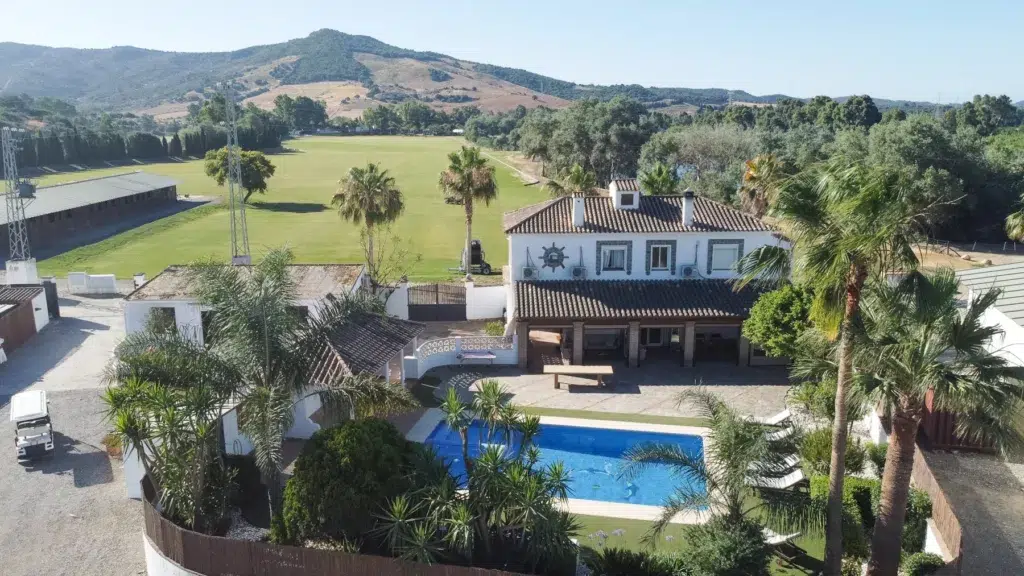
Sotogrande — quieter and more exclusive. Polo, golf and private estates in a gated community, roughly an hour from both Málaga and Gibraltar airports. Suits couples who want understated luxury and privacy rather than buzz.
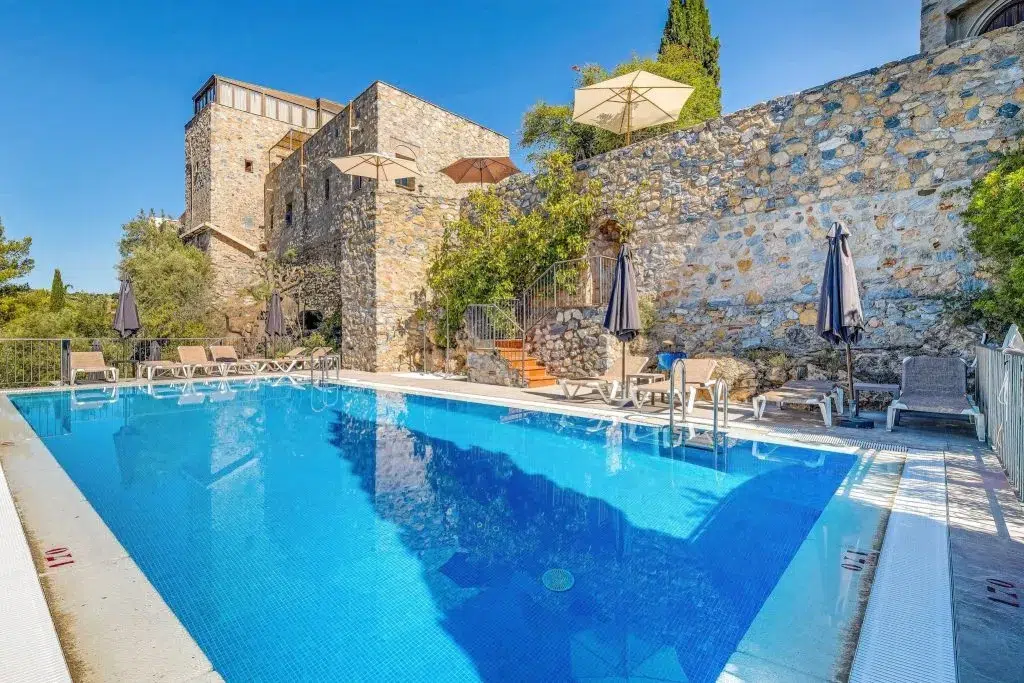
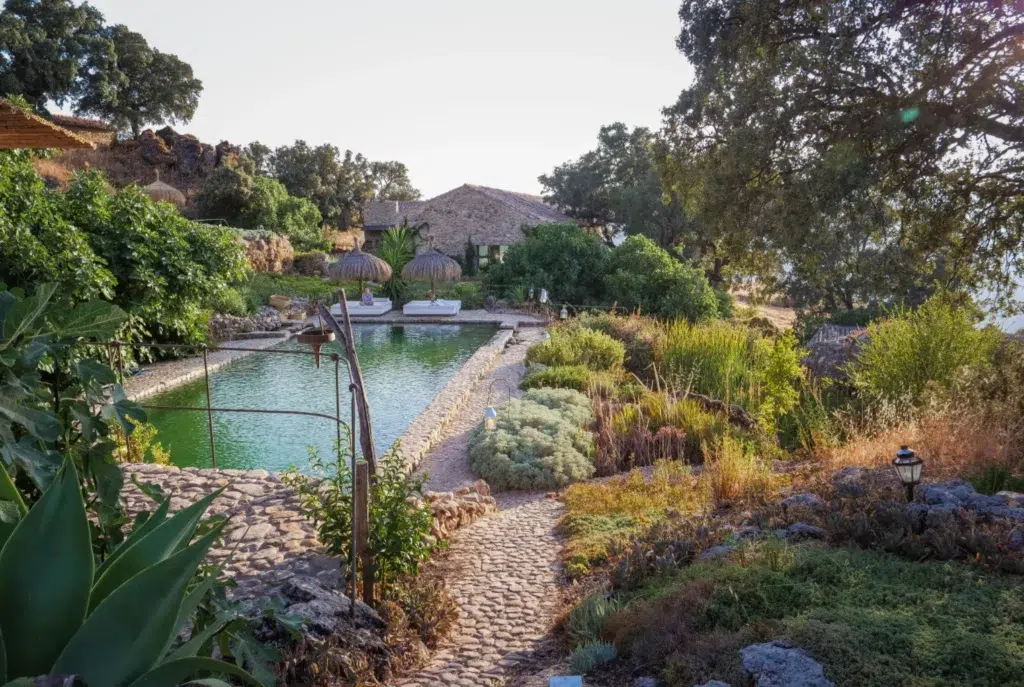
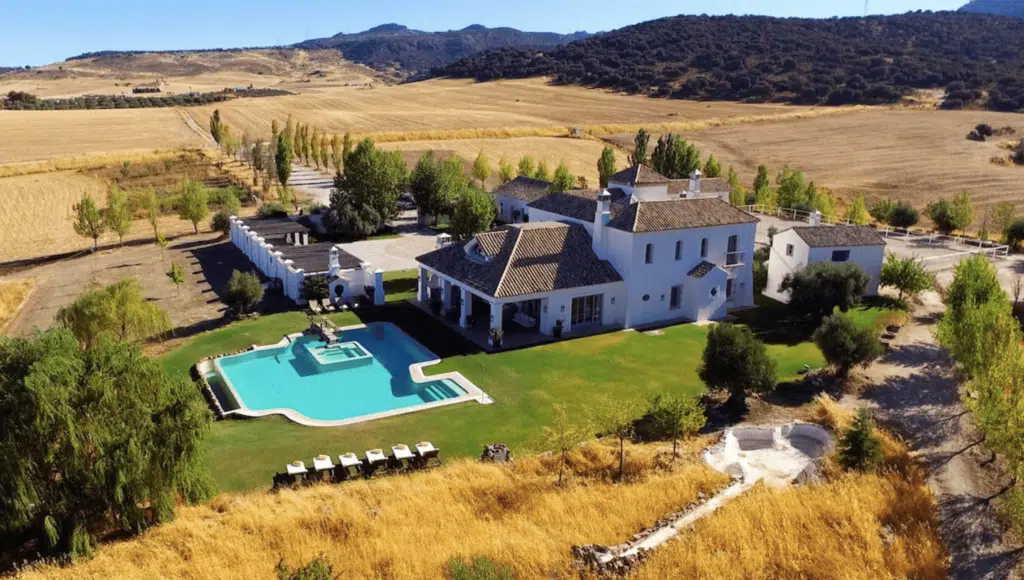
Ronda and the mountains — dramatic clifftop scenery and working fincas among the olive groves and vineyards, about ninety minutes inland from the coast. Cooler in summer than the coast, noticeably better value, and the drive is part of the appeal — though worth planning transport for guests.
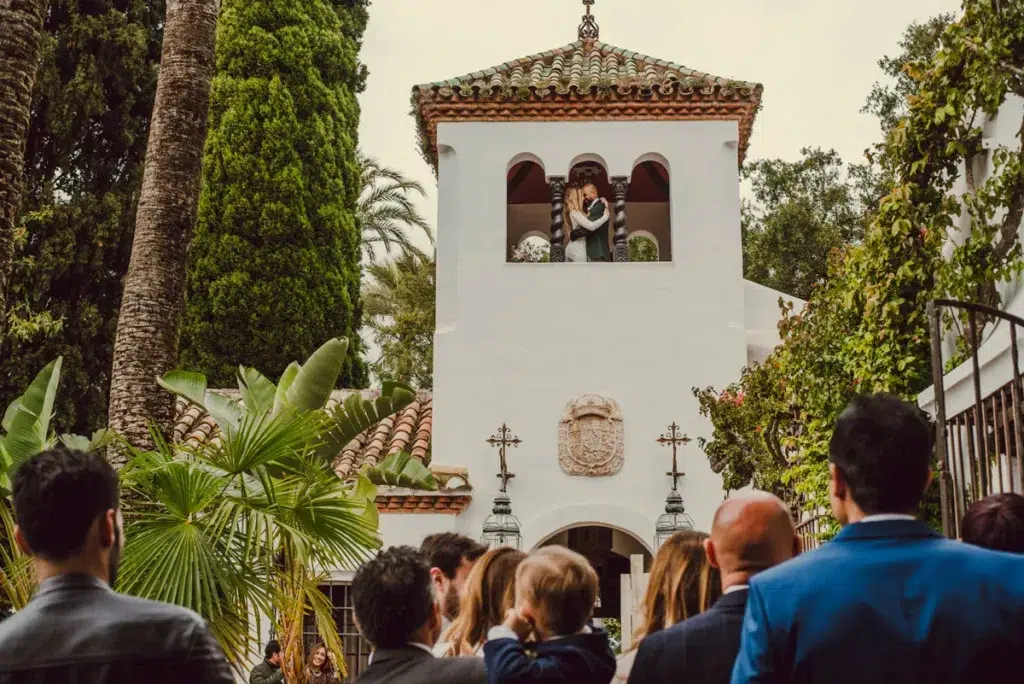
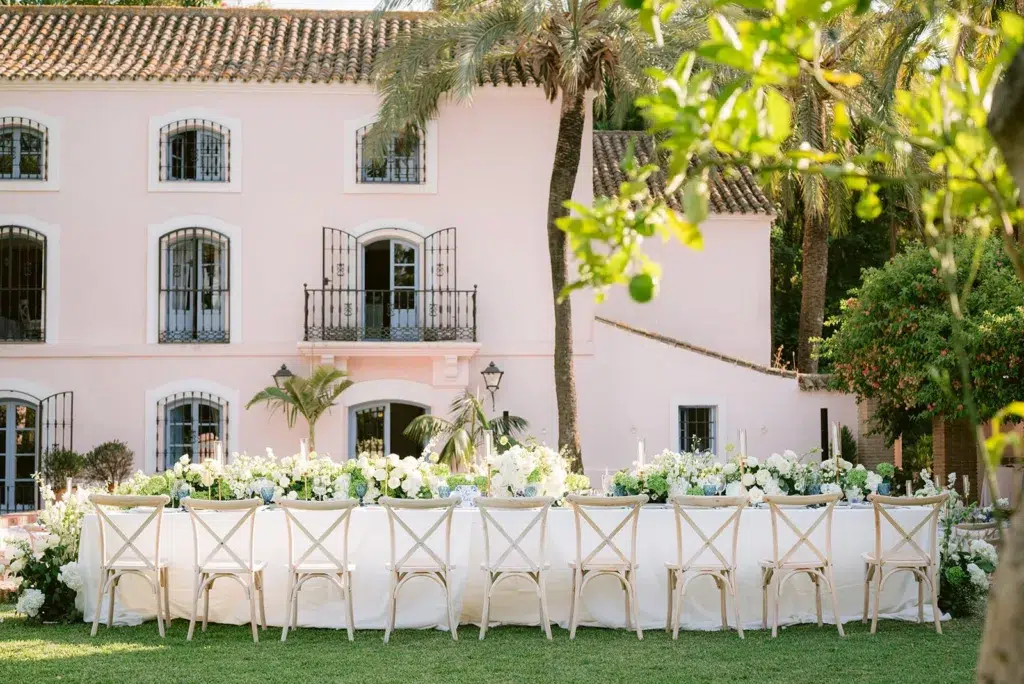
Seville and Granada — the historic heart. Palaces, courtyards and haciendas with centuries of architecture behind them. Both are stiflingly hot in July and August, so most couples marry here in spring or autumn.
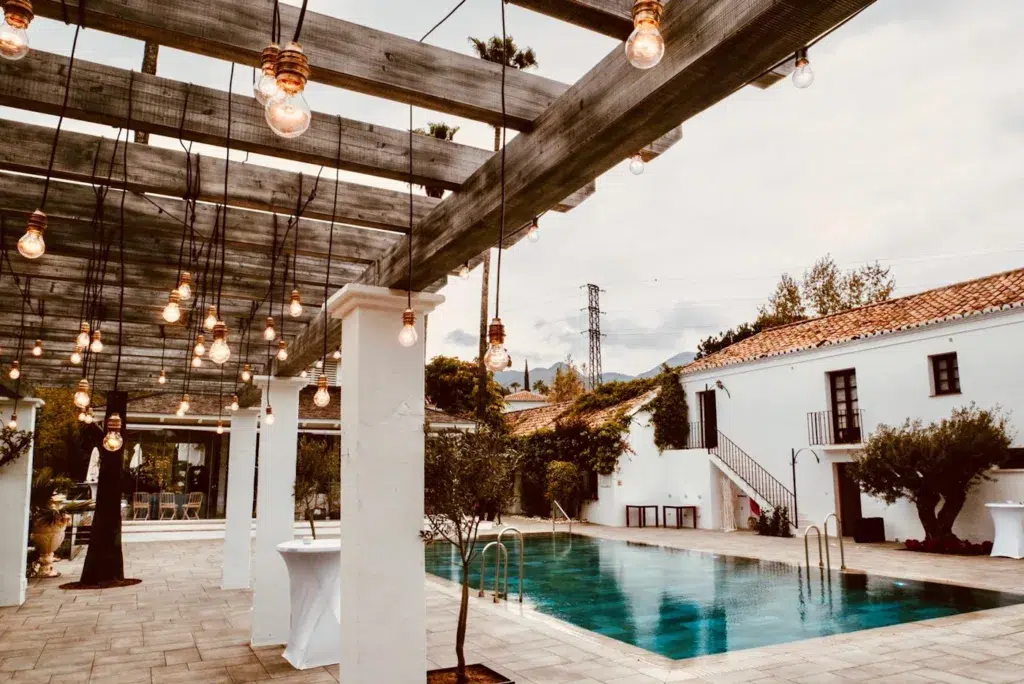
Estepona and Casares — the middle ground. Coastal or countryside settings without Marbella’s prices, still within easy reach of Málaga airport.
Cádiz and Tarifa — Atlantic rather than Mediterranean, which means wilder beaches and genuinely windy. Beautiful for the right couple, but check the wind before committing to an outdoor ceremony.
This is the part couples underestimate, and it quietly determines how many people actually come.
Málaga (AGP) is the main gateway, with direct flights from most UK and European cities year-round. It serves Marbella, Estepona, Ronda and Mijas comfortably.
Gibraltar (GIB) is closer for Sotogrande and Casares, with UK flights, though fewer of them.
Seville (SVQ) and Granada (GRX) work best for weddings in those cities. Both are smaller, so guests may need to connect.
Venue hire alone typically runs from €8,000 to €15,000 for the venues we work with, with rustic fincas inland at the lower end and coastal five-star properties at the upper. The venue usually accounts for around 40% of the total wedding budget, so it’s a useful figure to work backwards from when you’re sense-checking what you can spend elsewhere.
Three things move the number more than couples expect. Season , the same venue can differ by thousands between August and November. Guest count, catering is charged per head, so fifty extra guests changes everything. IVA, Spanish VAT is currently 21%, and some venues quote inclusive while others don’t, so always ask which.
Over 300 days of sunshine a year is the headline, but the detail matters when you’re choosing a date.
April to June — warm, dry and green, with everything in bloom. The most comfortable months, and the most popular.
July and August — hot. Genuinely hot inland, where Seville and Córdoba regularly pass 40°C. Fine on the coast with a sea breeze and a late-afternoon ceremony; harder work at a countryside finca.
September and October — arguably the sweet spot. Still reliably warm, sea’s at its warmest, crowds thinning, light beautiful for photography.
November to March — mild rather than cold on the coast, and often sunny. Rain is possible but rarely persistent. Best availability and best prices, and a real option if you’re relaxed about needing an indoor backup.
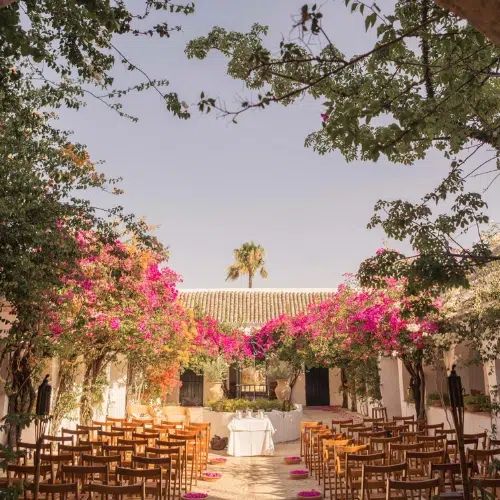
With expert guidance, arranging your Andalucia wedding becomes an effortless joy. Consider these key recommendations to ensure everything runs smoothly:
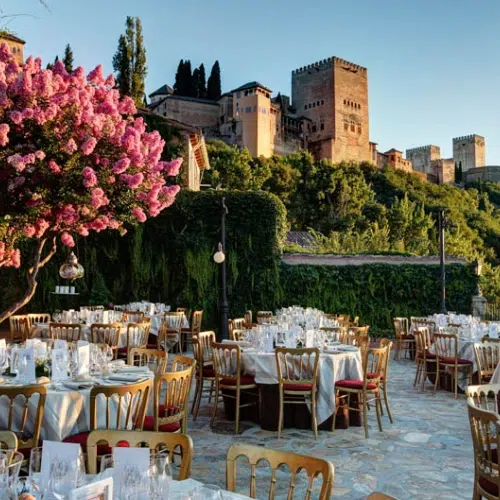
Ideal Season: Schedule your celebration between April and October to enjoy warm, sunshine-filled days and vibrant, flowering surroundings.

Embrace Local Talent: Partner with Andalusian florists, photographers and musicians, each steeped in regional traditions, to lend genuine character to your event.
Complete Legal Formalities: Gather and submit all required paperwork well ahead of time; specialists such as Wedding Venues ES are on hand to steer you through every administrative step.
To ensure you get the most out of your wedding experience in Andalucia, we highly recommend exploring our comprehensive FAQs.
We’ve compiled essential information, expert tips, and practical guidance to help you seamlessly plan every detail, from breathtaking venues and Catalan traditions to catering, entertainment, and legal requirements.
Our Frequently Asked Questions are designed to answer your most pressing questions, allowing you to approach your special day in Andalucia with confidence, clarity, and peace of mind.
Málaga is the main gateway, with direct flights from most UK and European cities year round, and it serves Marbella, Estepona, Ronda and Mijas well. Gibraltar is closer for Sotogrande and Casares, though flights are fewer. For weddings in Seville or Granada, fly into those cities directly.
The coast gives you beaches, easy airport access and the widest choice of suppliers, but prices sit higher. Inland, around Ronda and the olive groves, you get dramatic scenery, cooler summers and noticeably better value, at the cost of a longer drive for guests. Most couples decide on atmosphere first, then check the travel time.
On the coast, no. A sea breeze and a late afternoon ceremony make July and August perfectly comfortable. Inland is different, as Seville and Córdoba regularly pass 40°C, which is hard work in a suit. If you want a countryside finca in high summer, prioritise shade and a later start.
Not automatically. Public beaches usually need permission from the local town hall, and the rules and fees vary by municipality, with some refusing outright in peak season. Private beach clubs are far simpler, since they handle the space and the logistics for you. Worth checking early if a public beach is the dream.
For a peak season Saturday at a popular coastal venue, 12 to 18 months is sensible, as the best dates go first. Inland and off season venues are usually easier, and shorter timelines are often workable. Either way, check availability before you fall for somewhere specific.