Discover your perfect wedding venue in Spain

Wedding Venues Costa del Sol
Hand Picked Wedding Venues in the Costa del Sol
The Costa del Sol runs about 150km, from Nerja in the east down past Málaga and Marbella to Sotogrande in the west, and the differences along it matter more than the brochures suggest.
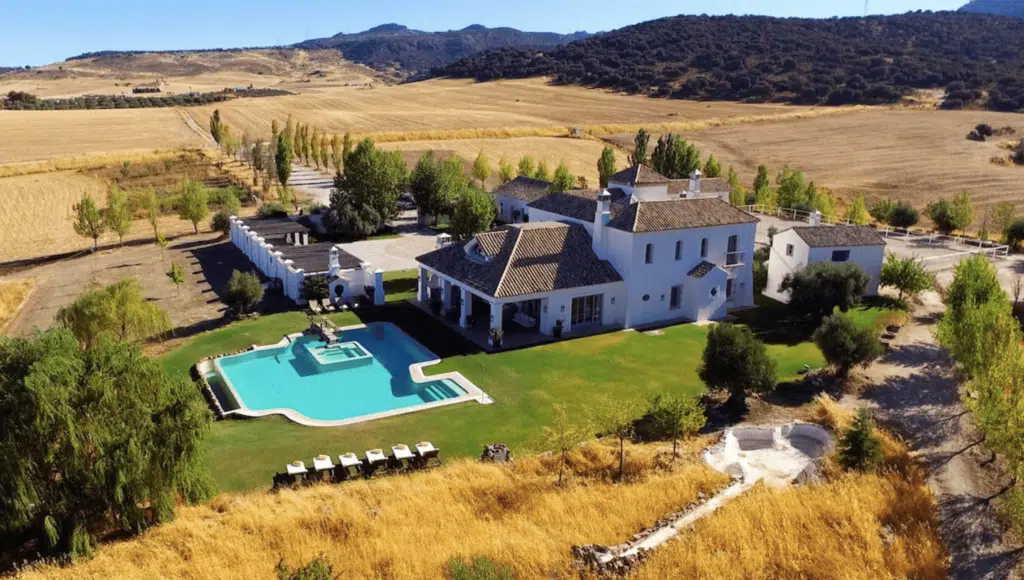
Málaga city is the practical end, with the airport, the culture and an old town where guests can walk everywhere. Marbella is the glamorous one, with the widest choice of venues and prices to match. Estepona is quieter and better value, with an old town that still functions as one. Mijas splits between coast and hillside village. Sotogrande is the gated, private end, built around polo and golf. And twenty minutes inland from any of them, the fincas and cortijos give you more space, more privacy and relaxed noise curfews at lower prices.
That range is the real argument for marrying here. Everything sits within an hour of one airport, so you can pick the setting you actually want without asking your guests to make a second journey.
We know these venues first-hand and take no commission from any of them, so a recommendation costs us nothing either way. What we’ll tell you about each is the part the brochure leaves out: the real seated capacity rather than the standing figure, what time the music has to stop, whether you can bring your own caterer, and how many people the covered space genuinely holds if it rains.
Luxury Wedding Venues Costa del Sol




Why Malaga For a Wedding
The logistics here are the easiest in Spain, and that’s worth more than it sounds when you’re organising from another country.
Málaga airport handles direct flights from most UK cities and across Europe, and the whole coast sits within an hour of it. Gibraltar covers the western end for British guests. Accommodation runs deep at every price point, so a guest list spanning different budgets can all find something near the venue, which isn’t true everywhere in Spain. And the supplier network here is the most established in the country, with most people working in English routinely.
What that means practically is that a wedding here can be planned properly from a laptop in Manchester, with one trip out to see a shortlist. We tour venues on your behalf, deal with the venues and suppliers in Spanish, and tell you honestly what we find.
The variety is the other advantage. A sea-view ceremony in Marbella, a finca among olive groves twenty minutes inland, a beach club in Estepona or a mountain estate near Ronda are all within the same hour’s drive of one another. You’re not trading the setting you want against the logistics your guests need, which is the compromise most destination weddings involve.
Why get married in the Costa del Sol?
The weather is the reason most couples look here, so it’s worth being specific rather than quoting sunshine days. May, June and September are the months we’d steer you towards: warm and dry, comfortable into the evening, without July and August’s heat and prices. April and October give you good days and cool nights, around 12 to 15°C after dark, which is a planning decision rather than a problem. Winter is mild by day but falls to single figures once the sun goes, and it’s dark by six, so it suits an afternoon ceremony with dinner indoors.
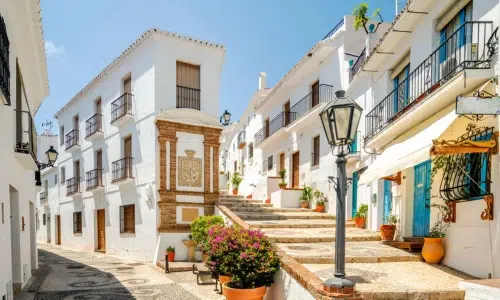
The scenery does genuinely vary in a way few destinations manage. Sea and beach along the whole coast, the Sierra Bermeja and Sierra de Mijas behind it, whitewashed villages in the hills, and the gorge at Ronda ninety minutes inland. You can have very different-looking weddings within half an hour of each other.
Accessibility is the underrated part. Málaga connects to most of Europe directly, Gibraltar covers the western end, and no venue on this coast is more than an hour from one of them. For a guest list flying in from several countries, that’s the thing that makes the difference between people coming and people making excuses.
And guests do well here across a long weekend, which matters when you’re asking them to take time off and spend money. Beaches, golf, boats out of the marinas, the old towns, and Ronda or Granada for anyone staying on. A welcome dinner the night before and a lunch the day after cost relatively little and change the shape of the whole trip.
Looking for a Wedding Venue in the Costa del Sol? Contact Us
We expertly source breathtaking fincas, luxury villas, and elegant beachfront locations across the Costa del Sol, curating the perfect setting for your special day. Our team coordinates every detail with precision, from catering and décor to entertainment and guest transport, ensuring your wedding is seamless and unforgettable. With our local expertise and trusted network of vendors, we bring your vision to life while you relax and enjoy each magical moment. Contact us today, and our dedicated planners will respond within 24 hours to begin creating your dream celebration in the Costa del Sol.
See All Our Wedding Venues
Discover your perfect wedding venue!
Timing. May, June and September are the best months on this coast: warm, dry and comfortable into the evening. If you marry in high summer, start the ceremony around 6pm rather than midday so you go into dinner as it cools. Winter works for value and availability, but plan an afternoon ceremony with dinner indoors, since it’s dark by six.
Suppliers. The Costa del Sol has the deepest supplier network in Spain and most of them work in English. The difficulty isn’t finding people, it’s knowing who’s reliable when you’re booking from another country off the back of a website. That’s most of what we do, and we take no commission, so a recommendation costs us nothing either way.
The legal side. Decide this before you book a date, not after. A Spanish civil wedding generally requires one of you registered on the local padrón, which non-residents can’t easily satisfy. Most international couples marry legally at home or in Gibraltar, then hold the real ceremony here with a celebrant.
Our services include:


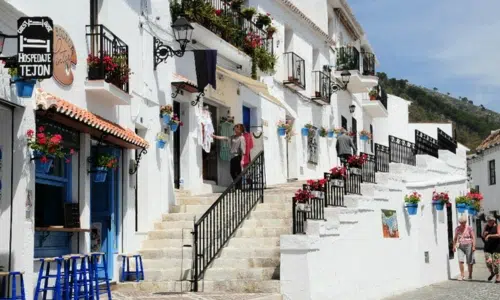
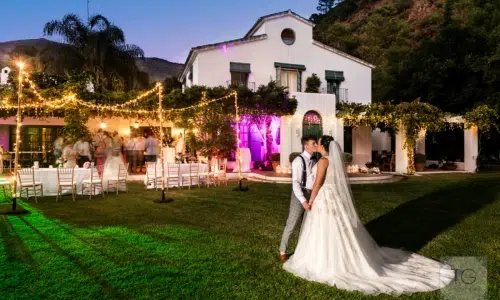
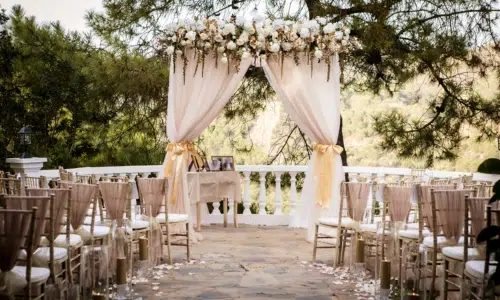
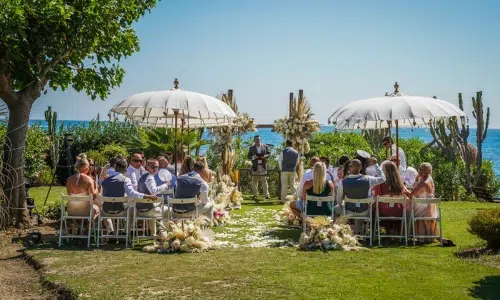
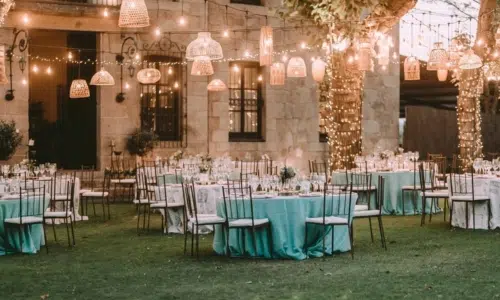
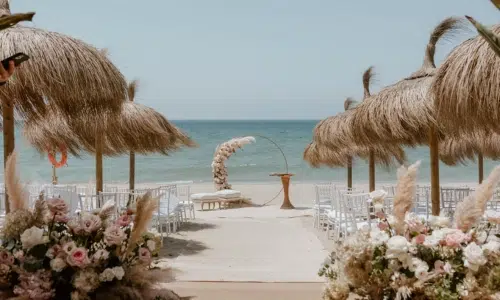
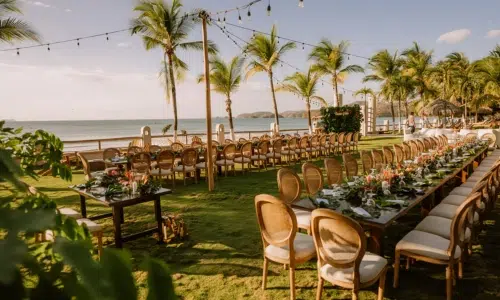
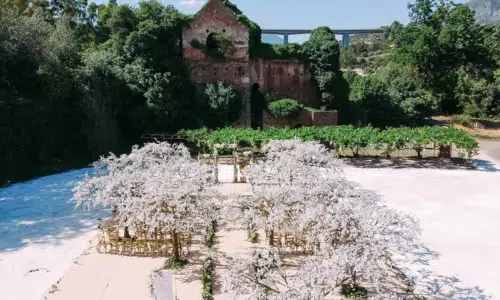
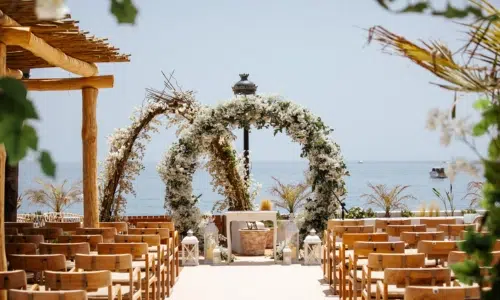
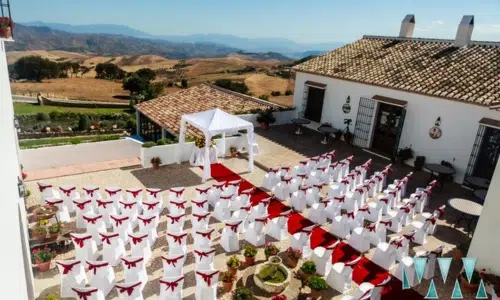
Costa del Sol Wedding Venues
Discover the perfect backdrop for your special day with Wedding Venues ES, your trusted partner in Spain
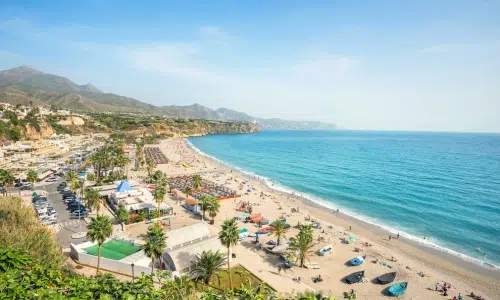
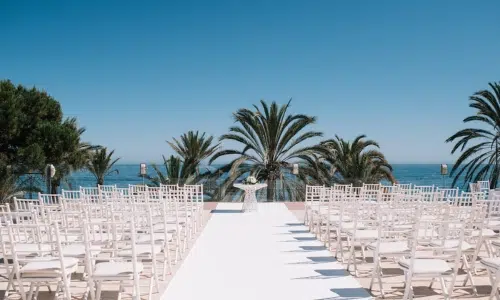
Beach Clubs & Beach Weddings Costa del Sol
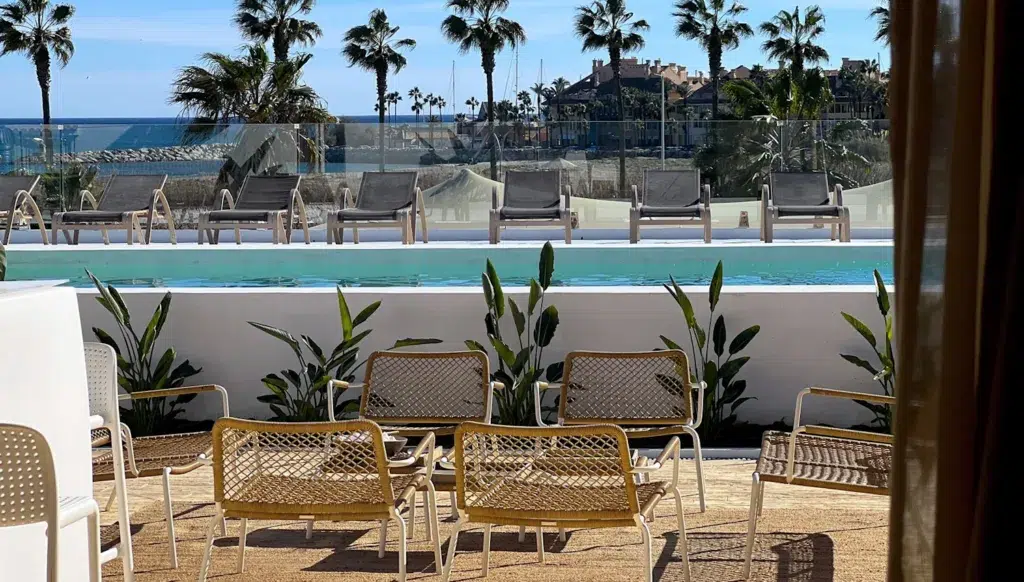
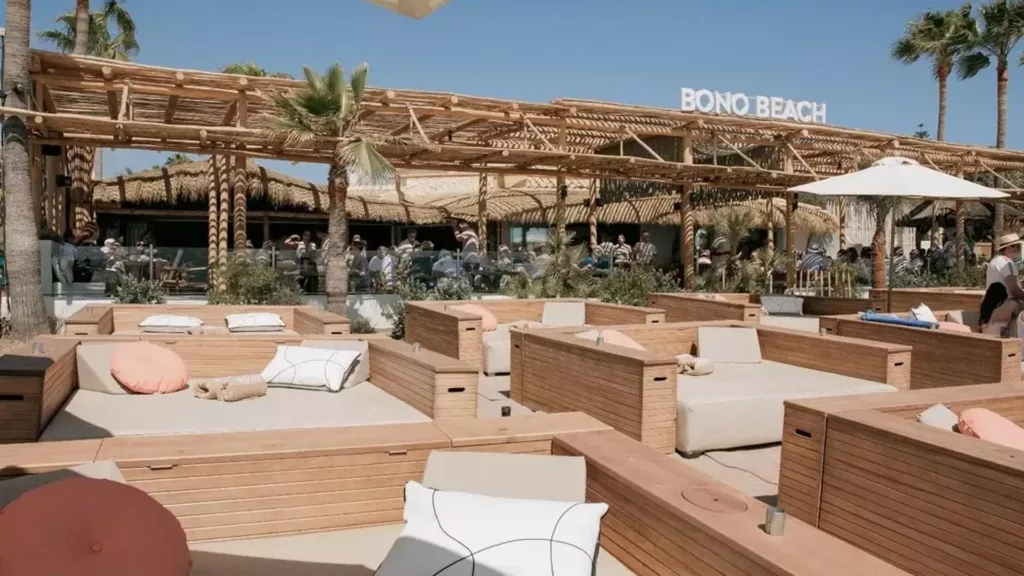
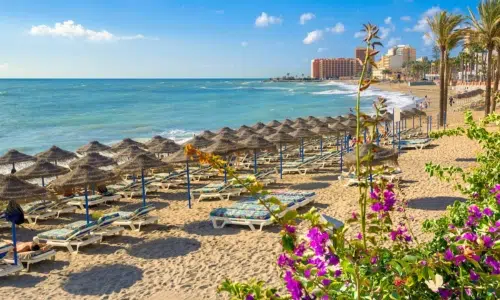
A beach wedding here means a beach club rather than open sand. Marrying on a public beach needs a permit from the local town hall, with rules and fees that vary by municipality and season, and you’d be exchanging vows in a busy public space. A licensed club gives you a defined area, catering, facilities and permissions in one arrangement.
The clubs run the length of the coast and vary more than you’d expect. Nikki Beach in Marbella is the polished, high-energy end, taking 250 plus. Bono Beach, also Marbella, is smaller at 150 to 250 and more relaxed. Further west towards Estepona and Sotogrande the chiringuitos get quieter and considerably cheaper. Neither of those two has accommodation, so guests stay nearby, which is easy along this stretch.
The appeal is that the setting does the work. You spend far less on styling than you would inland, because the sea and the light are the decoration, and almost every photograph worth keeping comes from the hour before sunset.
Three things to establish before committing. Curfew, because these venues sit near housing and outdoor music usually stops between midnight and 1am. Wind, which couples consistently underestimate on this coast, so ask what the venue does about it. And covered capacity, since beach clubs typically have far less indoor space than deck, and somewhere seating 150 outside might shelter 40.
Best from May to early October. In high summer, start the ceremony around 6pm so you’re eating as it cools.
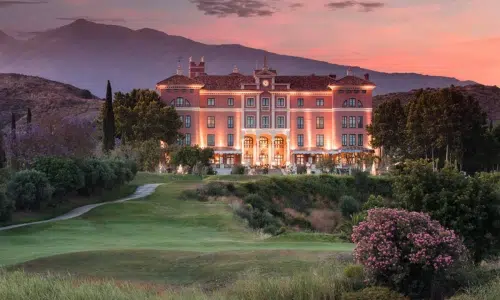
Luxury Hotel Wedding Venues Costa del Sol
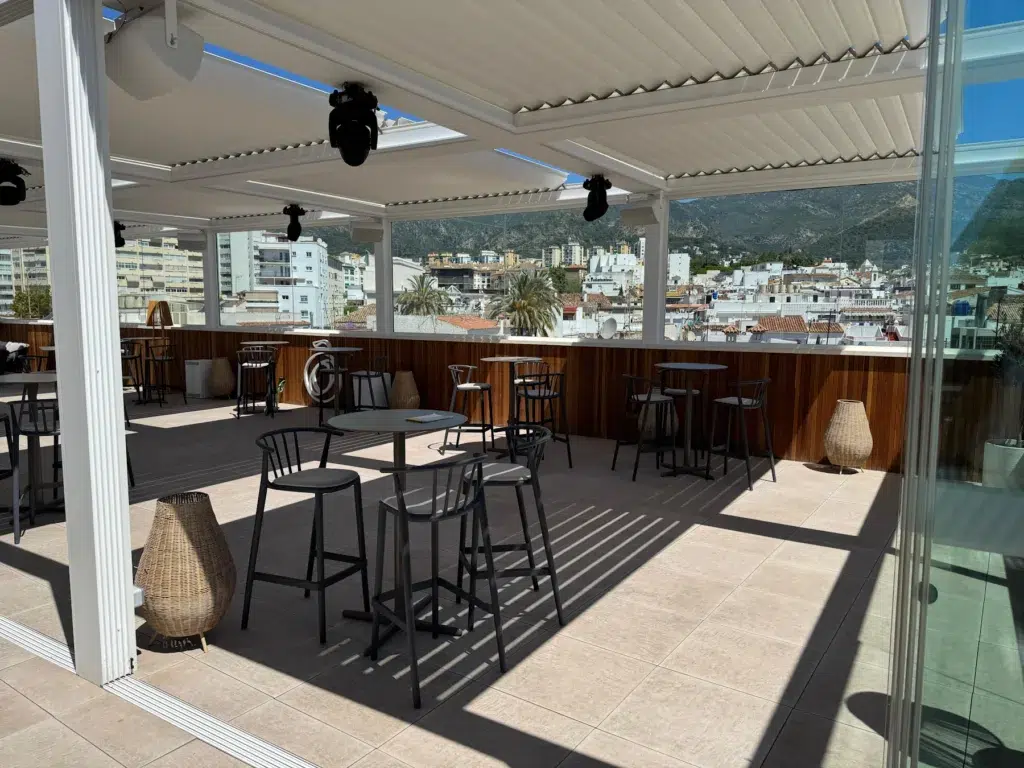
A hotel is the simplest route to a wedding here, and if you’re organising from another country that counts for a great deal. Ceremony, dinner, party and beds sit under one roof, on one contract, run by a team who do this every week. You’re not coordinating a venue, a caterer, a furniture supplier and a bar across a language barrier and a time difference.
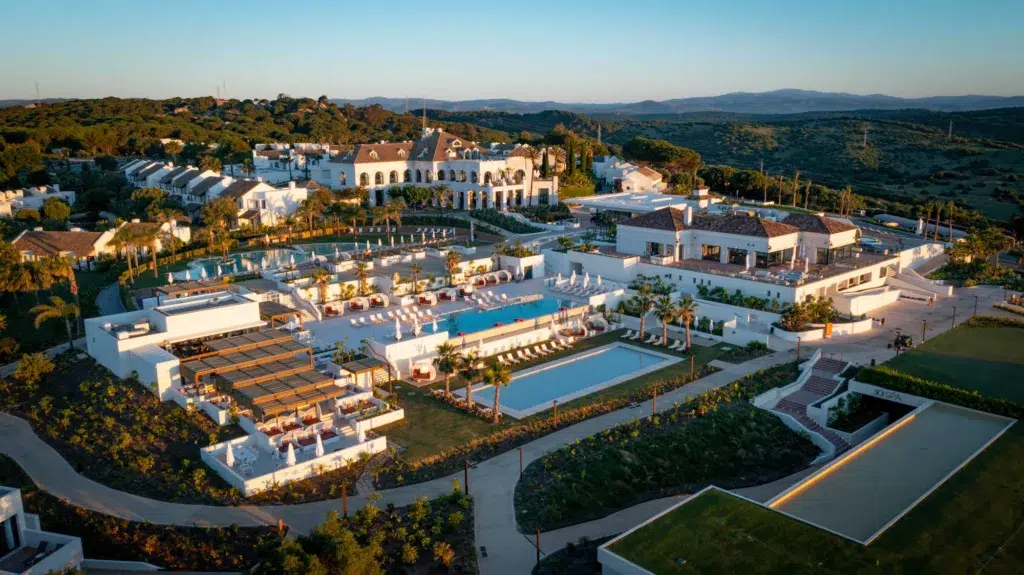
The options span a wide range. SO/ Sotogrande is the largest on our books, with garden lawns and a poolside terrace taking up to 400 seated, a ballroom for around 200 if the weather turns, and rooms for 150 plus. At the other end, Obal Urban Hotel in Marbella handles 150 to 250 with 200 sleeping on site, which suits couples who want everyone walking distance from the party.
The trade-off is flexibility. You’ll generally use the hotel’s kitchen and its preferred supplier list, and the day will run the way they run weddings rather than the way you might design it. For most couples planning from abroad that’s a fair exchange. But if you have a photographer or caterer you feel strongly about, establish whether outside suppliers are permitted before you fall for the venue.
Three things to pin down early. Whether the quote includes IVA at 21%, since a hotel quoting exclusive and a villa quoting inclusive aren’t comparable numbers. Whether a minimum spend or minimum guest count applies, both standard at this level and rarely mentioned upfront. And what else is booked that day, because unless you’ve taken exclusive use, you won’t be the only thing happening.
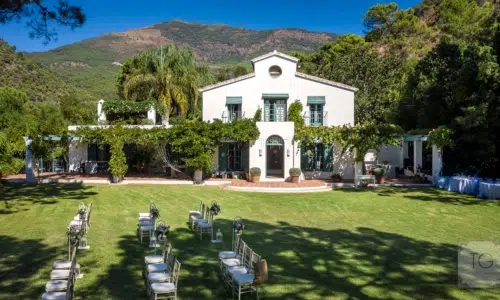
Private Villa Wedding Venues Costa del Sol
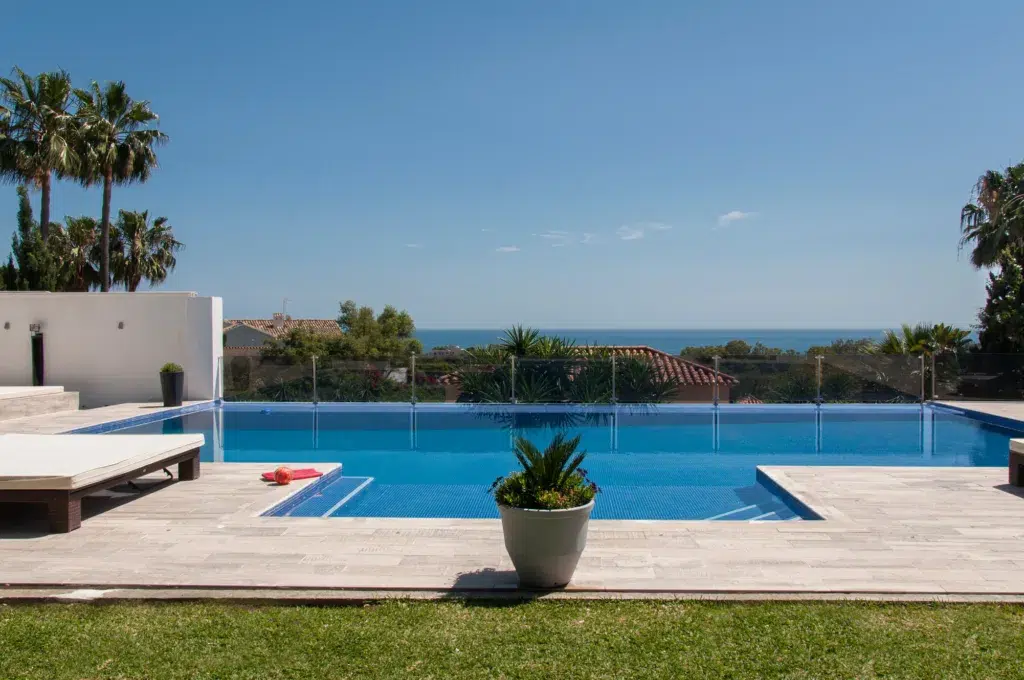
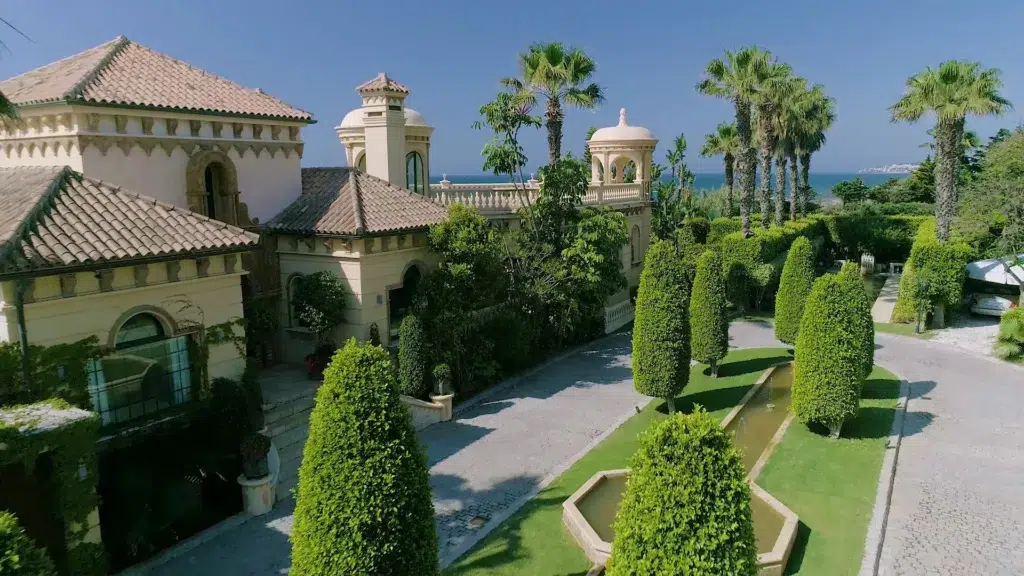
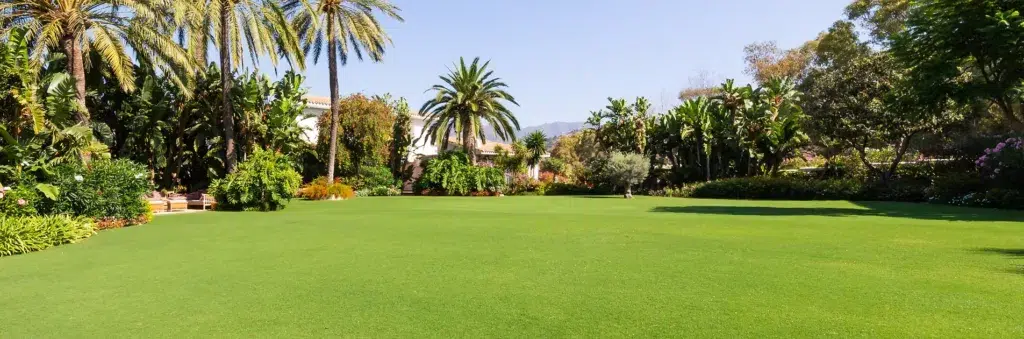
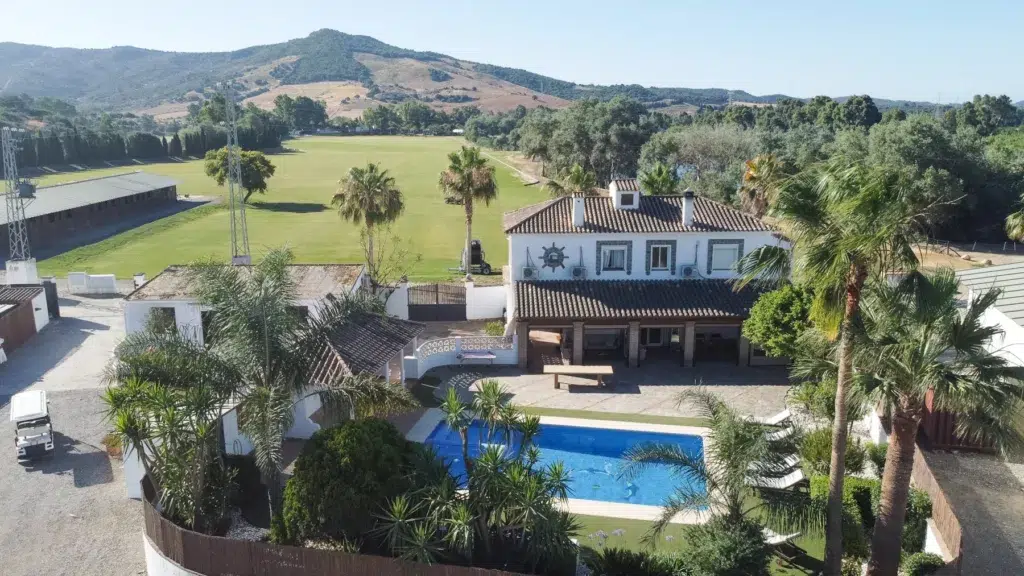
A private villa gives you the whole place to yourselves. No other guests, nobody wandering past the pool, and no house style to work around. They run from modern properties in the hills above Marbella with sea views down to Gibraltar, to older rustic places set among olive groves inland.
The choice comes down to numbers and how many people you want staying on site. Villa El Rincón on Marbella’s Golden Mile takes 150 to 250 with 30 sleeping over. Villa Issabella is 90 to 150 with 16 plus. Villa Moana on Mijas Costa is the intimate one, 40 to 90 guests with 20 staying, right on the beachfront.
Most run on dry hire, and it’s worth understanding what that means before comparing prices. You’re renting the space. Catering, staff, furniture, glassware, bar and sometimes the kitchen come separately. A villa quoted at €6,000 can finish higher than a hotel at €9,000 once everything’s added, so the headline figure tells you very little. What you get in exchange is complete freedom over how the day runs and who delivers it.
The other thing villas do well is turn a wedding into a weekend. With your closest family on site, a welcome dinner the night before and a slow lunch the day after come almost for free, and those tend to be the parts people remember.
Two questions to ask early. Villas usually sit in residential areas, so check the noise curfew and how strictly it’s enforced. And ask what the wet weather plan amounts to, since a villa seating 120 in the garden might shelter 30 indoors.
One more specific to villas: many don’t hold their own alcohol licence, which shapes how you run the bar. Solvable, usually with a licensed mobile bar service, but establish it rather than assuming.

Country Estate Wedding Venues Costa del Sol
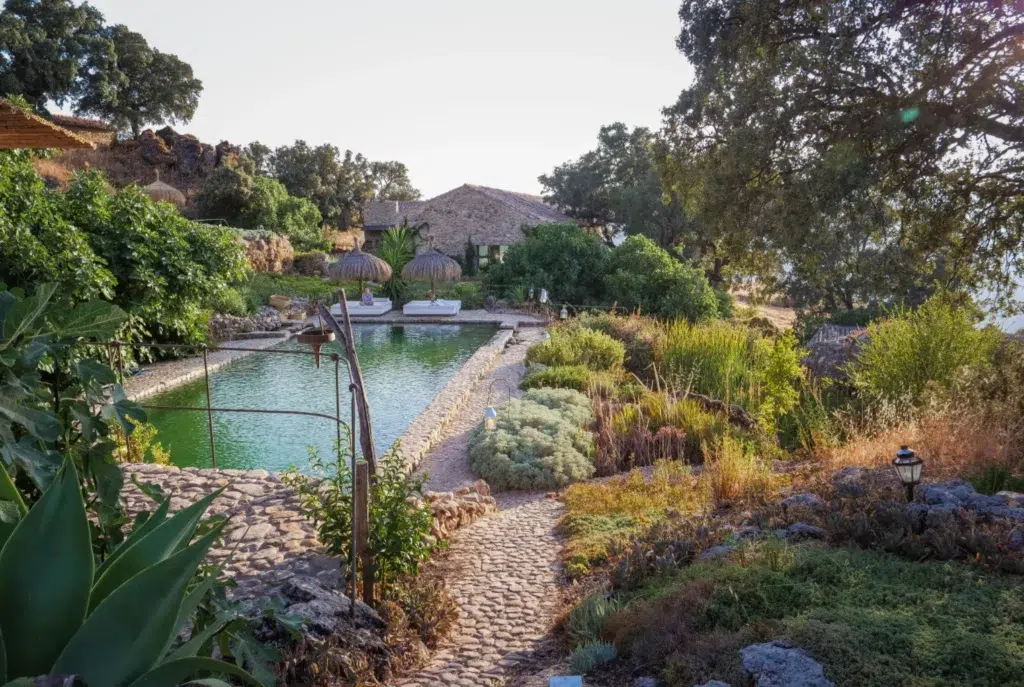
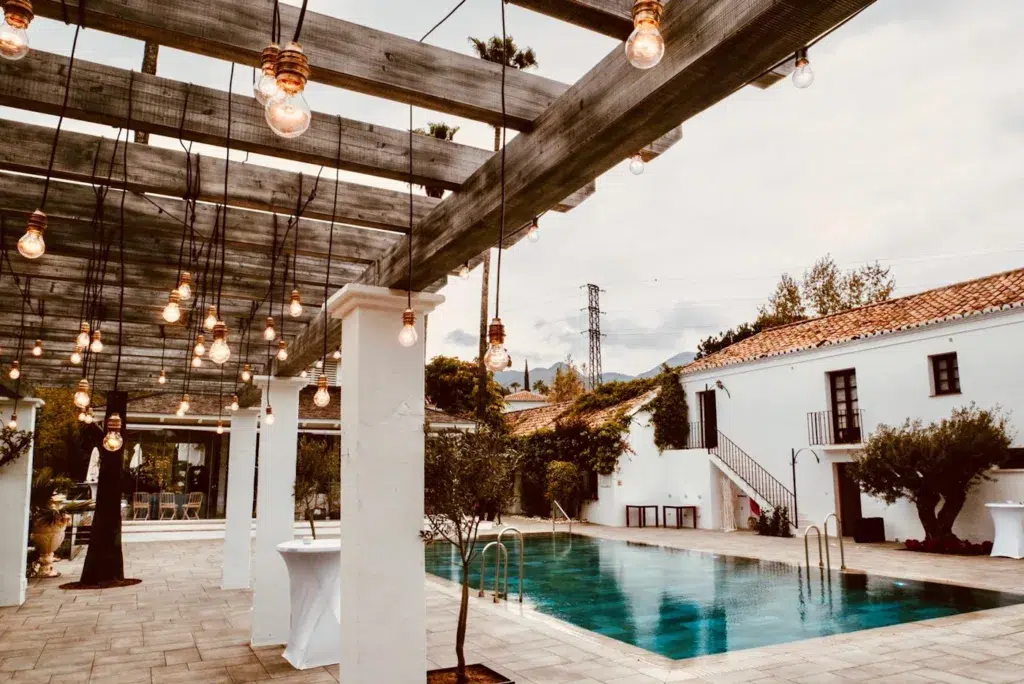
Drive twenty minutes inland from anywhere on this coast and the landscape changes completely. The development gives way to olive groves, cork oaks and low hills, and among them sit the cortijos and fincas: working estates, many of them centuries old, built around courtyards with thick walls that hold the cool through August.
This is where a good number of couples end up, and the range is wide. El Cortijo San Francisco near Estepona is a 17th-century estate taking 90 to 150 with 14 sleeping on site. Cortijo Pedro Jiménez in Casares handles 250 plus with 16 staying. Huerta del Conde sits 25 minutes from Málaga airport with views over the bay, taking 150 to 250. And further inland, Finca La Donaira and Ronda Mountain Resort put you in genuinely rural country near Ronda.
The practical advantages inland are real. No residential neighbours, so curfews are usually far more relaxed than on the coast and some estates have no fixed end time at all. Room to spread the day across separate areas rather than turning one space around between ceremony and dinner. Lower prices for comparable quality. And a few degrees cooler in high summer.
The trade-off is logistics. Rural venues often mean bringing in more than you’d expect: lighting production, generator capacity, extended staffing, and coaches both ways. That’s what turns a €3,000 venue fee into a larger number, so price the full picture rather than the rental.
And arrange transport properly. Taxis don’t come out this far after midnight, and guests who’ve driven themselves will be stuck.
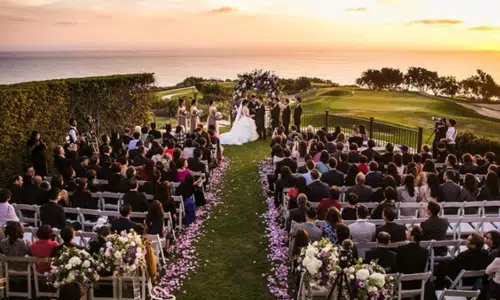
Golf & Spa Wedding Venues in Costa del Sol
This coast has more golf per square mile than almost anywhere in Europe, from Valderrama and La Reserva at the Sotogrande end to the courses clustered around Marbella and Mijas. The resorts built around them make good wedding venues for a specific kind of guest list. If a meaningful number of your guests play, a resort gives them three days of something to do rather than one afternoon in a suit. If none of them do, you’re paying for facilities nobody will use.
SO/ Sotogrande is the most complete option on our books, built on the old Almenara estate with golf and a large spa on site, outdoor space for up to 400 seated and a ballroom for around 200 if the weather turns. Polo Valley, also Sotogrande, is the opposite proposition: a lakeside estate hosting only a handful of weddings a year, one at a time.
What resorts do well is take the organising off your hands. One contract, one events team, everyone sleeping where the wedding is, so nobody’s looking for a taxi at two in the morning. The spa is the underrated part, since a morning there before the ceremony does more for the day than most things you could spend the same money on.
Three things to establish. Whether you have exclusive use, because otherwise the resort is running other business alongside your wedding. Whether the quote includes IVA at 21%. And whether a minimum spend or guest count applies, which is standard at this level and rarely mentioned upfront.
Resort weddings also follow the resort’s format: their kitchen, their supplier list, and a running order refined over hundreds of weddings. That’s precisely the appeal for many couples, and the opposite of what a dry hire villa offers, so be clear which you want before you start looking.
Contact Us
Make Your Day Special with Us
Start Your Wedding Journey and discover our exceptional services, designed to make your day extraordinary and unforgettable. We look forward to creating wonderful memories with you.
Popular Wedding Locations in Costa del Sol

Marbella
Marbella is one of the Costa del Sol’s most sought-after wedding destinations, renowned for its blend of luxury, style, and Mediterranean beauty. This glamorous coastal town offers couples a wealth of exclusive venues, from chic beachside resorts and vibrant beach clubs to elegant private villas and world-famous five-star hotels. With the sparkling Mediterranean as a backdrop, weddings in Marbella are effortlessly sophisticated, combining stunning views with exceptional catering and world-class service. The region’s enviable climate makes it ideal for outdoor ceremonies and receptions, with the best months being May, June, and September when sunshine is plentiful and temperatures are comfortable. Whether you’re envisioning a relaxed yet stylish celebration on the sand, a grand villa affair, or an opulent hotel wedding, Marbella provides the perfect stage for a celebration that embodies glamour, sophistication, and timeless charm.
See our Wedding Venues in Marbella
Estepona
Estepona, set along the sun-drenched Costa del Sol, is a wedding destination that combines laid-back elegance with authentic Andalusian charm. Known for its tranquil atmosphere and slower pace, it’s ideal for couples who want the beauty of the Mediterranean with a more intimate feel than nearby Marbella. Venues in Estepona range from stylish beachfront resorts and rustic inland fincas to lush garden estates, each offering a unique setting for unforgettable celebrations. The town’s reputation for excellent Mediterranean cuisine and warm hospitality enhances every wedding experience, while panoramic sea views and charming old-town streets add a romantic backdrop. The best time to marry in Estepona is from May to October, with June and September offering the perfect balance of sunshine and comfort. Perfect for couples seeking intimacy, authenticity, and understated sophistication, Estepona delivers a coastal wedding infused with natural beauty and Andalusian soul.
See our Wedding venues in Estepona

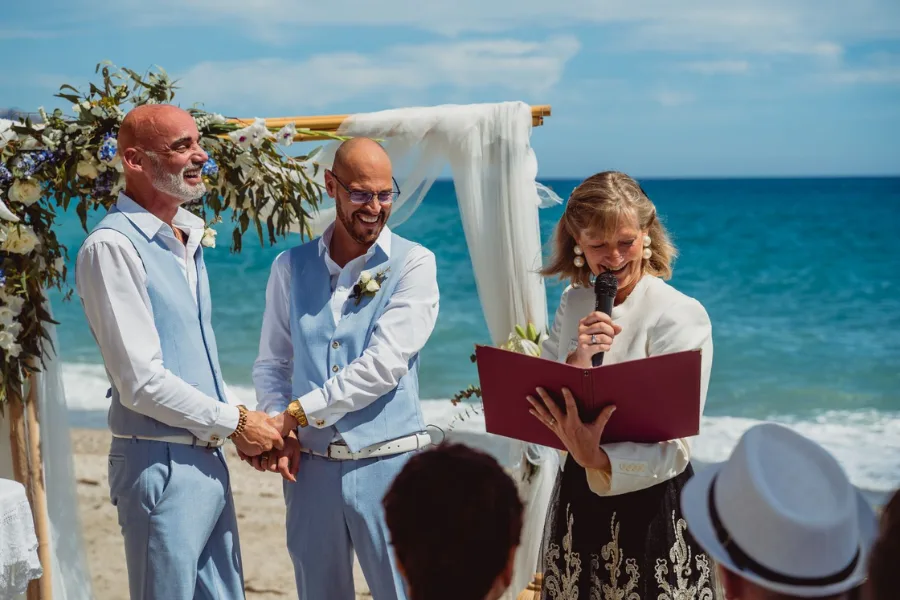
Malaga
Marbella, the jewel of the Costa del Sol, is synonymous with luxury, elegance, and Mediterranean style. This glamorous coastal destination is renowned for its exclusive atmosphere, making it one of the most desirable places in Spain to celebrate a wedding. Couples who choose Marbella are spoilt for choice, with venues ranging from chic beachfront resorts and lively beach clubs to elegant private villas and world-renowned five-star hotels. Each offers stunning views of the Mediterranean, exceptional catering, and a vibrant nightlife scene that keeps the celebrations going long after the sun sets. Thanks to its enviable climate, Marbella is ideal for outdoor weddings from April through October, with May, June, and September striking the perfect balance of warm sunshine and comfortable temperatures. Combining sophistication, glamour, and breathtaking scenery, Marbella sets the stage for unforgettable weddings filled with romance and style.
See our Wedding venues in Malaga
Sotogrande
Sotogrande, located at the southern tip of Spain, is one of the Costa del Sol’s most exclusive wedding destinations, celebrated for its refined elegance and luxurious lifestyle. This upscale enclave is home to world-class golf courses, a picturesque marina, and a collection of modern villas, chic beach clubs, and five-star hotels that provide the perfect settings for sophisticated celebrations. Couples are drawn to Sotogrande for its unique blend of privacy, style, and Mediterranean charm, where weddings feel both luxurious and relaxed. The best time to marry here is between May and late September, when the warm weather and long days create ideal conditions for outdoor ceremonies and glamorous evening receptions. With breathtaking coastal views, exceptional venues, and a serene atmosphere, Sotogrande is the perfect choice for couples seeking a wedding that combines exclusivity, sophistication, and unforgettable Mediterranean flair.
See our Wedding Venues in Sotogrande

Our Services

Venue Sourcing
Venue Sourcing & Tours | We expertly source and tour secure idyllic Andalucia wedding venues, from luxurious beachfront villas to rustic countryside fincas, perfectly tailored to your unique vision and style. See our hand selected Wedding Venues in Spain

Wedding Planning
Wedding Planners | Our professional Andalucia wedding planners meticulously handle every detail, from budgeting and guest logistics to design aesthetics, crafting personalised, stress-free celebrations. Also see our: Wedding Packages

On-Day Coordination
On-Day Wedding Coordination | Our dedicated on-the-day wedding coordinators ensure your Andalucia celebration flows seamlessly by managing timelines, vendors, and guest arrangements, so you can enjoy your special day.

Vendor Sourcing
Vendor Sourcing & Management | Leveraging our trusted network of premium local suppliers, from top caterers and talented DJs to photographers and florists, we seamlessly manage all vendor interactions.
Costa del Sol Wedding Services
To ensure you get the most out of your wedding experience in Costa del Sol, we highly recommend exploring our comprehensive FAQs.
We’ve compiled essential information, expert tips, and practical guidance to help you seamlessly plan every detail, from breathtaking venues and Spain traditions to catering, entertainment, and legal requirements.
Our Frequently Asked Questions are designed to answer your most pressing questions, allowing you to approach your special day with confidence, clarity, and peace of mind.
Contact Us For More Information
Common Questions
Which Costa del Sol venues suit the biggest guest lists?
Several take 250 or more comfortably. Finca La Concepción in Marbella handles up to 500 across 10,000m² of gardens without feeling crowded. SO/ Sotogrande seats 400 outdoors with rooms for 150 plus. Cortijo Pedro Jiménez in Casares and Nikki Beach in Marbella both take 250 plus. The figure to confirm is seated rather than standing capacity, since those are often very different numbers.
And the smallest? – Templo Sotogrande takes 40 to 90 and sleeps 24, which suits a wedding where nearly everyone stays on site. Villa Moana on Mijas Costa is similar at 40 to 90. Small weddings work best at venues designed for the number rather than large spaces scaled down, because a room built for 200 holding 50 feels empty however well you style it.
Which venues let our guests stay on site?
More than you’d expect on this coast, and it changes the weekend considerably. Castillo de Monda sleeps 72 across 29 bedrooms, which is the most of any of our estates. Obal Urban Hotel in Marbella sleeps 200. La Susana takes 45, Villa El Rincón 30, and Villa Moana 20.
Having the core group on site means welcome drinks the night before and a slow lunch the day after happen almost by themselves, and it removes the taxi problem entirely.
Is anything likely to clash with our date?
Semana Santa, the week before Easter, sees processions in most towns and accommodation fills months ahead. The Feria de Málaga runs for nine days in mid-August and takes over the city entirely. Every town also has its own feria, usually a few days in summer, and its own saint’s day, when local businesses may close. San Juan on 23 June brings bonfires and crowds to every beach on the coast.
Can we legally get married on the Costa del Sol?
Not straightforwardly, if you’re not resident. A civil wedding in Spain runs through the Registro Civil, and registries generally want at least one of you registered on the local padrón in the municipality where you’re marrying. That’s a residency requirement most international couples can’t meet.
What almost everyone does instead is marry legally at home, or in Gibraltar which is close and considerably simpler for UK couples, then hold the ceremony they actually care about here with a celebrant. The paperwork is done elsewhere, the wedding is here, and nobody at the wedding can tell the difference.
The exception is a Catholic ceremony, which is legally recognised in Spain and doesn’t carry the same residency problem, though it does need baptism and confirmation certificates and a pre-marital course.
What's the difference between dry hire and all-inclusive?
Dry hire means you’re renting the space and bringing everything else: catering, staff, furniture, glassware, bar, sometimes the kitchen. All-inclusive bundles most of it into one contract.
Dry hire looks cheaper on paper and often isn’t once everything’s added, so comparing a villa’s hire fee against a hotel’s package tells you very little. What dry hire buys is complete control over who delivers your day. Whether that’s worth the extra management depends entirely on how much you want to be involved.